

Se hai un abbonamento attivo ACCEDI QUI
Introduction:
Kefir, a fermented milk drink, has gained immense popularity due to its numerous health benefits. Rich in probiotics, vitamins, and minerals, kefir is often hailed as a superfood. However, with a plethora of kefir products available on the market, choosing the best one can be daunting. This article delves into the key aspects of kefir, from understanding its basics to evaluating the best products available today.
Understanding Kefir: A Comprehensive Overview
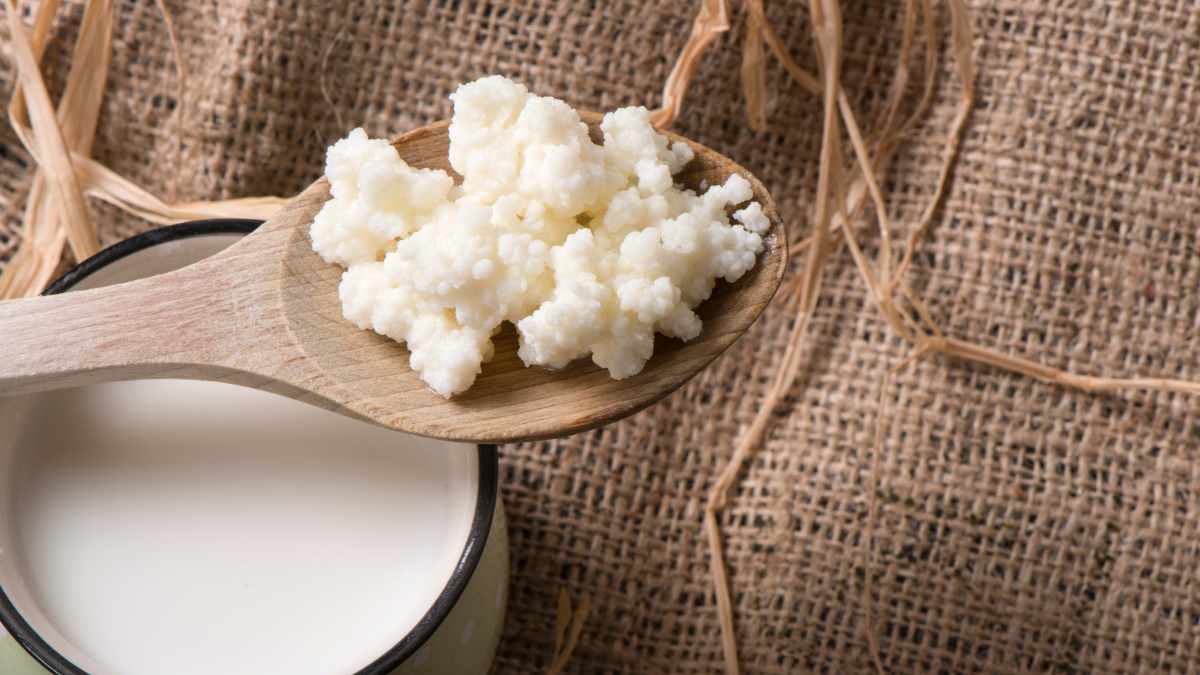
Kefir is a fermented beverage traditionally made from cow’s or goat’s milk. The fermentation process involves the use of kefir grains, which are a symbiotic culture of bacteria and yeast (SCOBY). These grains ferment the milk, resulting in a tangy, slightly effervescent drink that is rich in probiotics.
The history of kefir dates back centuries, originating in the Caucasus Mountains. It was traditionally made in goatskin bags hung near a doorway, where it would be regularly knocked by anyone passing through, aiding the fermentation process. Today, kefir is produced on a much larger scale, but the basic principles remain the same.
There are different types of kefir, including milk kefir, water kefir, and even coconut kefir. Milk kefir is the most common and is known for its creamy texture and tart flavor. Water kefir, on the other hand, is made using sugar water or fruit juice and has a lighter, more refreshing taste.
The fermentation process not only enhances the nutritional profile of kefir but also makes it easier to digest. Lactose, the sugar found in milk, is broken down during fermentation, making kefir a suitable option for those who are lactose intolerant.
Kefir is packed with beneficial bacteria, known as probiotics, which play a crucial role in maintaining gut health. These probiotics help balance the gut microbiota, improve digestion, and boost the immune system. Additionally, kefir contains essential vitamins and minerals such as calcium, magnesium, and vitamin B12.
Understanding the basics of kefir is essential before diving into the specifics of evaluating and choosing the best product. With this foundational knowledge, we can now explore the key factors that determine the quality of kefir products.
Key Factors in Evaluating Kefir Products
When evaluating kefir products, several key factors must be considered to ensure you are choosing a high-quality option. These factors include the source of the milk, the fermentation process, the presence of live cultures, and the product’s nutritional content.
The source of the milk used in kefir production is paramount. Organic, grass-fed milk is generally considered superior due to its higher nutrient content and absence of antibiotics and hormones. Some kefir products also use non-dairy alternatives such as coconut or almond milk, which can be a good option for those with dairy allergies or intolerances.
The fermentation process is another critical factor. Traditional kefir is fermented using kefir grains, which contain a diverse range of bacteria and yeast. Some commercial products, however, use isolated strains of bacteria and yeast, which may not offer the same health benefits as traditional kefir. It’s essential to choose products that specify the use of kefir grains in their fermentation process.
The presence of live cultures is a hallmark of high-quality kefir. These live cultures, or probiotics, are responsible for many of kefir’s health benefits. Look for products that state the number of live and active cultures on their label. A higher count of probiotics generally indicates a more beneficial product.
Nutritional content is also a key consideration. High-quality kefir should be rich in essential nutrients such as calcium, protein, and vitamins. It’s also important to check the sugar content, as some commercial kefir products add sugar to enhance flavor, which can negate some of the health benefits.
Another factor to consider is the product’s shelf life. Fresh kefir with a shorter shelf life is often more potent in terms of probiotic content. However, it requires more careful storage and quicker consumption. Some products use pasteurization to extend shelf life, but this process can reduce the number of live probiotics.
Lastly, consider the taste and texture of the kefir. While this is subjective, a high-quality kefir should have a pleasant, tangy flavor and a creamy consistency. Trying different brands and types can help you find the one that best suits your palate.
Nutritional Benefits of High-Quality Kefir
High-quality kefir is a nutritional powerhouse, offering a wide range of health benefits due to its rich content of probiotics, vitamins, and minerals. One of the most significant benefits is its positive impact on gut health. The probiotics in kefir help maintain a healthy balance of gut bacteria, which is crucial for digestion, nutrient absorption, and immune function.
Kefir is also an excellent source of calcium, which is essential for maintaining strong bones and teeth. A single serving of kefir can provide a significant portion of the recommended daily intake of calcium, making it an excellent choice for those looking to boost their bone health.
In addition to calcium, kefir is rich in protein. Protein is vital for muscle repair and growth, and it also plays a crucial role in various bodily functions, including hormone production and immune response. The protein in kefir is also easily digestible, making it a great option for those with digestive issues.
Kefir contains several essential vitamins, including B vitamins such as B12, riboflavin, and biotin. Vitamin B12 is particularly important for maintaining healthy nerve cells and producing DNA. Riboflavin and biotin, on the other hand, play a role in energy production and the maintenance of healthy skin, hair, and nails.
Another significant benefit of kefir is its potential to boost the immune system. The probiotics in kefir can enhance the body’s natural defenses by stimulating the production of antibodies and supporting the activity of immune cells. This makes kefir a valuable addition to the diet, especially during cold and flu season.
Kefir also has anti-inflammatory properties, which can help reduce inflammation in the body. Chronic inflammation is linked to various health issues, including heart disease, diabetes, and certain cancers. The probiotics and bioactive compounds in kefir can help modulate the body’s inflammatory response, promoting overall health and well-being.
Comparing Kefir Brands: What to Look For
When comparing kefir brands, it’s essential to consider several factors to ensure you are choosing a high-quality product. One of the first things to look for is the list of ingredients. A good kefir product should have a short and simple ingredient list, primarily consisting of milk and kefir grains. Avoid products with added sugars, artificial flavors, or preservatives.
The source of the milk is another crucial consideration. Brands that use organic, grass-fed milk are generally superior, as this type of milk tends to have a higher nutrient content and is free from antibiotics and hormones. Some brands also offer non-dairy kefir options made from coconut, almond, or soy milk, which can be a good choice for those with dietary restrictions.
The fermentation process used by the brand is also important. Traditional kefir is made using kefir grains, which contain a diverse range of beneficial bacteria and yeast. Some commercial brands, however, use isolated strains of bacteria and yeast, which may not provide the same health benefits. Look for brands that specify the use of kefir grains in their fermentation process.
Another key factor to consider is the probiotic content of the kefir. High-quality kefir should contain a high count of live and active cultures. Some brands list the number of probiotics on their label, which can help you compare the potency of different products. A higher probiotic count generally indicates a more beneficial product.
Taste and texture are also important when comparing kefir brands. While personal preference plays a role, a good kefir should have a pleasant, tangy flavor and a creamy consistency. Some brands offer flavored kefir, but it’s essential to check the ingredient list for added sugars or artificial flavors.
Finally, consider the price and availability of the kefir. While high-quality kefir may be more expensive, it’s often worth the investment for the health benefits it provides. Additionally, some brands may be more readily available in certain regions or stores, so it’s essential to find a brand that you can easily access.
Expert Reviews: Top Kefir Products of 2023
To help you navigate the myriad of kefir products available, we’ve compiled a list of the top kefir products of 2023 based on expert reviews and consumer feedback. These products have been selected for their quality, nutritional content, and overall taste.
-
Lifeway Organic Whole Milk Kefir: Lifeway is a well-known brand in the kefir market, and their organic whole milk kefir is highly regarded for its rich, creamy texture and high probiotic content. Made from organic, grass-fed milk, this kefir is free from antibiotics and hormones, making it a top choice for health-conscious consumers.
-
Maple Hill Creamery Whole Milk Kefir: Maple Hill Creamery offers a high-quality kefir made from 100% grass-fed, organic milk. This kefir is praised for its smooth texture and tangy flavor. It contains a diverse range of live cultures, providing a potent dose of probiotics.
-
Nancy’s Probiotic Organic Whole Milk Kefir: Nancy’s is another reputable brand known for its commitment to quality. Their probiotic organic whole milk kefir is made from organic, non-GMO milk and contains a high count of live and active cultures. This kefir is also free from added sugars and artificial ingredients.
-
Green Valley Creamery Lactose-Free Kefir: For those with lactose intolerance, Green Valley Creamery offers a lactose-free kefir made from organic milk. This kefir is rich in probiotics and has a smooth, creamy texture. It’s also free from artificial flavors and preservatives.
-
Redwood Hill Farm Goat Milk Kefir: For a non-cow milk option, Redwood Hill Farm offers a high-quality goat milk kefir. Goat milk is naturally easier to digest and has a unique, slightly tangy flavor. This kefir is made from pasture-raised goats and contains a high count of live cultures.
These top kefir products have been selected based on their quality, nutritional content, and overall consumer satisfaction. Each offers a unique set of benefits, making it easier to find the best kefir for your needs.
Conclusion: Choosing the Best Kefir for You
Choosing the best kefir involves considering several factors, including the source of the milk, the fermentation process, the presence of live cultures, and the product’s nutritional content. By understanding these key aspects, you can make an informed decision and select a high-quality kefir that meets your health needs and taste preferences.
High-quality kefir offers numerous health benefits, from improving gut health to boosting the immune system. It’s rich in essential nutrients such as calcium, protein, and vitamins, making it a valuable addition to any diet. Additionally, the probiotics in kefir can help maintain a healthy balance of gut bacteria, promoting overall well-being.
When comparing kefir brands, look for products with a short and simple ingredient list, preferably made from organic, grass-fed milk. Consider the fermentation process used and the probiotic content of the kefir. Taste and texture are also important factors, as a pleasant flavor and creamy consistency can enhance your overall experience.
Expert reviews and consumer feedback can provide valuable insights into the best kefir products available. Brands like Lifeway, Maple Hill Creamery, Nancy’s, Green Valley Creamery, and Redwood Hill Farm have been highly regarded for their quality and nutritional content.
Ultimately, the best kefir for you will depend on your individual preferences and dietary needs. By considering the key factors outlined in this article, you can confidently choose a kefir product that supports your health and satisfies your taste buds.
Read More…
- Lifeway Kefir: Lifeway’s website offers detailed information on their products, including nutritional content and the benefits of probiotics.
- Maple Hill Creamery: Learn more about Maple Hill Creamery’s commitment to organic, grass-fed dairy and their range of kefir products.
- Nancy’s Probiotic Foods: Nancy’s provides extensive information on their probiotic-rich products and the health benefits they offer.
- Green Valley Creamery: Explore Green Valley Creamery’s lactose-free kefir options and their focus on organic, high-quality ingredients.
- Redwood Hill Farm: Discover the unique benefits of goat milk kefir and the sustainable practices of Redwood Hill Farm.