
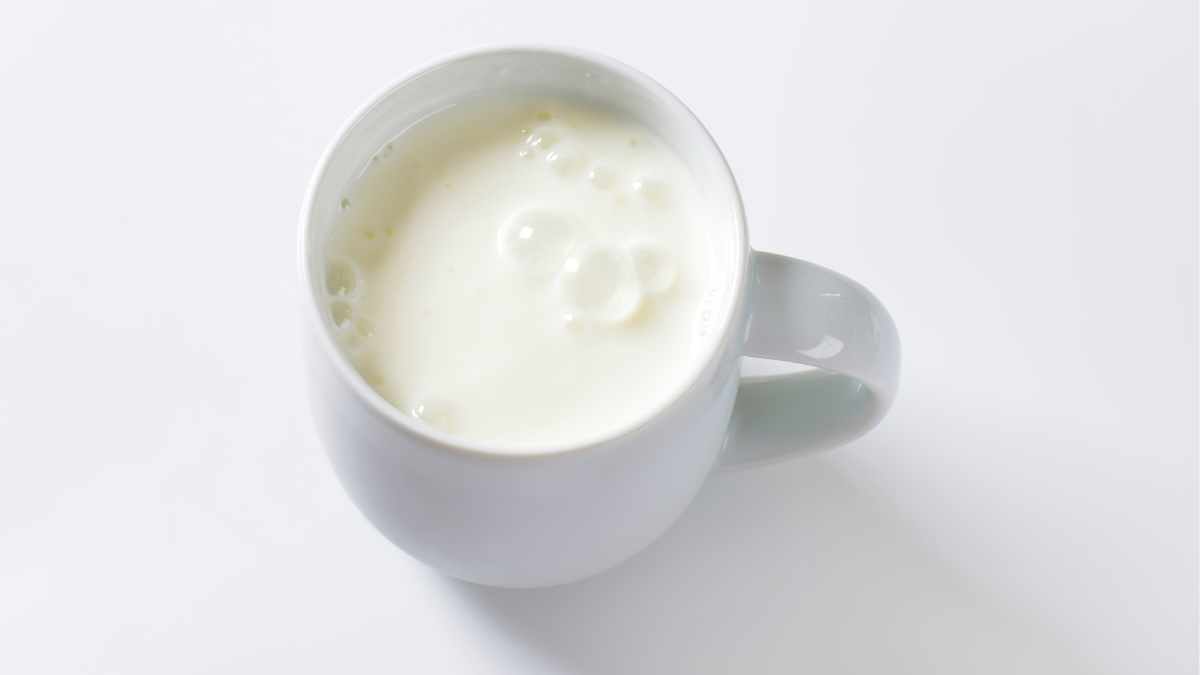

Introduction: In recent years, kefir has gained significant popularity as a probiotic-rich beverage with numerous health benefits. However, understanding the optimal timing for consuming food after drinking kefir can enhance its positive effects on digestion and overall health. This article delves into the intricacies of kefir consumption, the digestive process, and the best practices for timing subsequent meals.
Introduction to Kefir and Its Health Benefits
Kefir is a fermented milk drink that originates from the Caucasus region. It is made by adding kefir grains, which are a combination of bacteria and yeast, to milk. The fermentation process results in a tangy, slightly effervescent beverage that is rich in probiotics, vitamins, and minerals. Kefir is known for its numerous health benefits, including improved digestion, enhanced immune function, and better nutrient absorption.
The probiotics in kefir, such as Lactobacillus and Bifidobacterium, play a crucial role in maintaining a healthy gut microbiome. These beneficial bacteria help balance the gut flora, which can be disrupted by factors like poor diet, stress, and antibiotic use. A balanced gut microbiome is essential for optimal digestion, nutrient absorption, and overall health.
In addition to probiotics, kefir is a good source of essential nutrients like calcium, magnesium, phosphorus, and vitamins B12 and K2. These nutrients are vital for bone health, energy production, and blood clotting. The high calcium content in kefir also supports muscle function and nerve transmission.
Kefir’s anti-inflammatory and antimicrobial properties further contribute to its health benefits. The bioactive compounds in kefir, such as peptides and polysaccharides, have been shown to reduce inflammation and inhibit the growth of harmful bacteria. This makes kefir a valuable addition to a diet aimed at promoting overall health and well-being.
Regular consumption of kefir has been linked to various health benefits, including improved digestion, enhanced immune function, and better nutrient absorption. However, to maximize these benefits, it is essential to understand the optimal timing for consuming food after drinking kefir.
Understanding the Digestive Process of Kefir
When you consume kefir, the probiotics and enzymes in the beverage begin to interact with the digestive system almost immediately. The probiotics in kefir help to break down lactose, making it easier for individuals with lactose intolerance to digest dairy products. This is one of the reasons why kefir is often recommended for people with lactose intolerance or other digestive issues.
The fermentation process of kefir also produces lactic acid, which helps to lower the pH of the stomach. A lower pH creates an acidic environment that is conducive to the activity of digestive enzymes, such as pepsin, which break down proteins into smaller peptides. This enhanced protein digestion can be particularly beneficial for individuals with compromised digestive systems.
As kefir moves from the stomach to the small intestine, the probiotics continue to exert their beneficial effects. They help to maintain the integrity of the intestinal lining, preventing the translocation of harmful bacteria and toxins into the bloodstream. This is crucial for maintaining a healthy immune system and preventing systemic inflammation.
The probiotics in kefir also produce short-chain fatty acids (SCFAs) during the fermentation of dietary fibers. SCFAs, such as butyrate, acetate, and propionate, serve as an energy source for the cells lining the colon and have anti-inflammatory properties. These SCFAs contribute to the overall health of the gut and play a role in preventing conditions like irritable bowel syndrome (IBS) and inflammatory bowel disease (IBD).
In addition to probiotics, kefir contains bioactive peptides that have been shown to have various health benefits. These peptides can act as antioxidants, reduce blood pressure, and modulate the immune system. The presence of these bioactive compounds further underscores the importance of kefir in promoting digestive health.
Understanding the digestive process of kefir is essential for optimizing the timing of subsequent food consumption. By allowing the probiotics and other beneficial compounds in kefir to exert their effects, you can enhance digestion and nutrient absorption from the foods you eat afterward.
Optimal Timing for Consuming Food Post-Kefir
Timing your food consumption after drinking kefir can significantly impact the effectiveness of its probiotics and other beneficial compounds. Ideally, you should wait at least 30 minutes to an hour before consuming a meal after drinking kefir. This waiting period allows the probiotics to establish themselves in the gut and start their beneficial activities without being immediately diluted or outcompeted by other foods.
During this waiting period, the probiotics in kefir can begin to colonize the gut, enhancing the balance of the gut microbiome. This is crucial for individuals with digestive issues, as a balanced gut microbiome can improve digestion, nutrient absorption, and overall health. Additionally, allowing the probiotics to establish themselves can enhance the immune-modulating effects of kefir.
If you consume food immediately after drinking kefir, the digestive process can become more complex and less efficient. The presence of other foods can dilute the concentration of probiotics and enzymes, reducing their effectiveness. Moreover, certain foods, particularly those high in fat or sugar, can hinder the activity of probiotics and digestive enzymes.
For optimal results, consider consuming a light, easily digestible meal after the waiting period. Foods rich in fiber, such as fruits, vegetables, and whole grains, can complement the probiotic activity of kefir. Fiber serves as a prebiotic, providing a food source for the probiotics and promoting their growth and activity in the gut.
It’s also essential to stay hydrated during this period. Drinking water can aid in the digestive process and help the probiotics in kefir to function more effectively. However, avoid consuming large quantities of water immediately after drinking kefir, as this can dilute the stomach acids and enzymes, reducing their effectiveness.
By timing your food consumption appropriately after drinking kefir, you can maximize the health benefits of this probiotic-rich beverage. This practice can enhance digestion, nutrient absorption, and overall well-being, making kefir a valuable addition to your daily diet.
Nutritional Synergy: Kefir and Subsequent Meals
The concept of nutritional synergy refers to the idea that certain foods, when consumed together, can enhance each other’s health benefits. This is particularly relevant when considering the timing of food consumption after drinking kefir. By choosing the right foods to consume after kefir, you can create a synergistic effect that enhances digestion, nutrient absorption, and overall health.
One of the best food groups to consume after kefir is fiber-rich foods. Fiber acts as a prebiotic, providing a food source for the probiotics in kefir. This promotes the growth and activity of beneficial bacteria in the gut, enhancing the overall health benefits of kefir. Examples of fiber-rich foods include fruits, vegetables, whole grains, and legumes.
In addition to fiber, foods rich in antioxidants can complement the health benefits of kefir. Antioxidants help to neutralize free radicals in the body, reducing oxidative stress and inflammation. Consuming antioxidant-rich foods, such as berries, nuts, and seeds, after drinking kefir can enhance its anti-inflammatory and immune-boosting effects.
Protein-rich foods can also be beneficial when consumed after kefir. The probiotics and enzymes in kefir can enhance protein digestion and absorption, making it easier for the body to utilize the amino acids from protein-rich foods. Examples of protein-rich foods include lean meats, fish, eggs, and plant-based proteins like beans and lentils.
Healthy fats, such as those found in avocados, nuts, and olive oil, can also enhance the health benefits of kefir. Healthy fats aid in the absorption of fat-soluble vitamins, such as vitamins A, D, E, and K, which are essential for various bodily functions. Consuming healthy fats after drinking kefir can enhance the absorption of these vitamins, promoting overall health.
It’s also important to consider the glycemic index of the foods you consume after kefir. Foods with a low glycemic index, such as whole grains and non-starchy vegetables, can help to maintain stable blood sugar levels. This can be particularly beneficial for individuals with insulin resistance or diabetes, as stable blood sugar levels are crucial for managing these conditions.
By selecting the right foods to consume after kefir, you can create a nutritional synergy that enhances the health benefits of this probiotic-rich beverage. This can improve digestion, nutrient absorption, and overall well-being, making kefir an essential part of a healthy diet.
Potential Risks of Immediate Food Consumption
While kefir offers numerous health benefits, consuming food immediately after drinking kefir can pose certain risks. One of the primary concerns is the potential dilution of probiotics and digestive enzymes. When you consume food immediately after kefir, the concentration of probiotics and enzymes in the stomach can be reduced, diminishing their effectiveness.
Another risk of immediate food consumption is the potential for digestive discomfort. The presence of other foods in the stomach can slow down the digestive process, leading to symptoms like bloating, gas, and indigestion. This can be particularly problematic for individuals with sensitive digestive systems or conditions like irritable bowel syndrome (IBS).
Consuming high-fat or high-sugar foods immediately after kefir can also hinder the activity of probiotics and digestive enzymes. Fatty foods can slow down gastric emptying, prolonging the time it takes for food to move from the stomach to the small intestine. This can reduce the effectiveness of probiotics and enzymes, making it harder for the body to digest and absorb nutrients.
High-sugar foods, on the other hand, can promote the growth of harmful bacteria in the gut. This can disrupt the balance of the gut microbiome, counteracting the beneficial effects of the probiotics in kefir. Additionally, high sugar intake can lead to spikes in blood sugar levels, which can be detrimental to individuals with insulin resistance or diabetes.
Immediate food consumption can also interfere with the absorption of certain nutrients. For example, the presence of other foods can inhibit the absorption of calcium and magnesium, two essential minerals found in kefir. This can reduce the overall nutritional value of the meal and potentially lead to deficiencies over time.
To avoid these potential risks, it is advisable to wait at least 30 minutes to an hour before consuming food after drinking kefir. This waiting period allows the probiotics and enzymes in kefir to exert their beneficial effects without being immediately diluted or outcompeted by other foods. By timing your food consumption appropriately, you can maximize the health benefits of kefir and promote better digestion and overall health.
Expert Recommendations on Timing and Food Choices
Experts in nutrition and digestive health recommend waiting at least 30 minutes to an hour after drinking kefir before consuming a meal. This waiting period allows the probiotics and enzymes in kefir to establish themselves in the gut and start their beneficial activities. By giving these beneficial compounds time to work, you can enhance digestion, nutrient absorption, and overall health.
When it comes to food choices, experts suggest opting for light, easily digestible meals after drinking kefir. Fiber-rich foods, such as fruits, vegetables, and whole grains, are excellent choices as they act as prebiotics, promoting the growth and activity of probiotics in the gut. These foods can create a synergistic effect that enhances the health benefits of kefir.
Protein-rich foods are also recommended, as the probiotics and enzymes in kefir can enhance protein digestion and absorption. Lean meats, fish, eggs, and plant-based proteins like beans and lentils are all good options. These foods can provide the essential amino acids needed for various bodily functions and promote overall health.
Healthy fats, such as those found in avocados, nuts, and olive oil, can also complement the health benefits of kefir. These fats aid in the absorption of fat-soluble vitamins, such as vitamins A, D, E, and K. Consuming healthy fats after drinking kefir can enhance the absorption of these vitamins, promoting overall well-being.
Experts also recommend avoiding high-fat and high-sugar foods immediately after drinking kefir. These foods can hinder the activity of probiotics and digestive enzymes, reducing their effectiveness. Additionally, high-sugar foods can promote the growth of harmful bacteria in the gut, counteracting the beneficial effects of kefir.
By following these expert recommendations on timing and food choices, you can maximize the health benefits of kefir. This can improve digestion, nutrient absorption, and overall well-being, making kefir a valuable addition to your daily diet.
Conclusion: Kefir is a probiotic-rich beverage with numerous health benefits, including improved digestion, enhanced immune function, and better nutrient absorption. However, to maximize these benefits, it is essential to understand the optimal timing for consuming food after drinking kefir. By waiting at least 30 minutes to an hour and choosing the right foods, you can enhance the health benefits of kefir and promote better digestion and overall health.
Read More…
- Healthline: Kefir Benefits – A comprehensive guide on the health benefits of kefir, including its probiotic content and nutritional value.
- Medical News Today: What is Kefir? – An in-depth article on kefir, its origins, and its health benefits.
- PubMed: Probiotics and Digestive Health – A collection of scientific studies on the role of probiotics in digestive health.
- WebMD: Kefir Nutrition Facts – A detailed overview of the nutritional content of kefir and its potential health benefits.
- Harvard Health: The Benefits of Probiotics – An article from Harvard Health on the benefits of probiotics and how they contribute to overall health.