

Se hai un abbonamento attivo ACCEDI QUI
Introduction: Milk kefir, a fermented dairy product known for its probiotic benefits, has been gaining popularity among health enthusiasts. The fermentation process is crucial in determining the quality and flavor of the final product. Understanding the optimal fermentation time for milk kefir is essential for both novice and experienced kefir makers. This article delves into the various factors that influence fermentation time, the ideal temperature for fermentation, and how different durations affect the taste of milk kefir. Additionally, we will cover how to monitor and adjust fermentation time and troubleshoot common issues that may arise during the process.
Introduction to Milk Kefir Fermentation
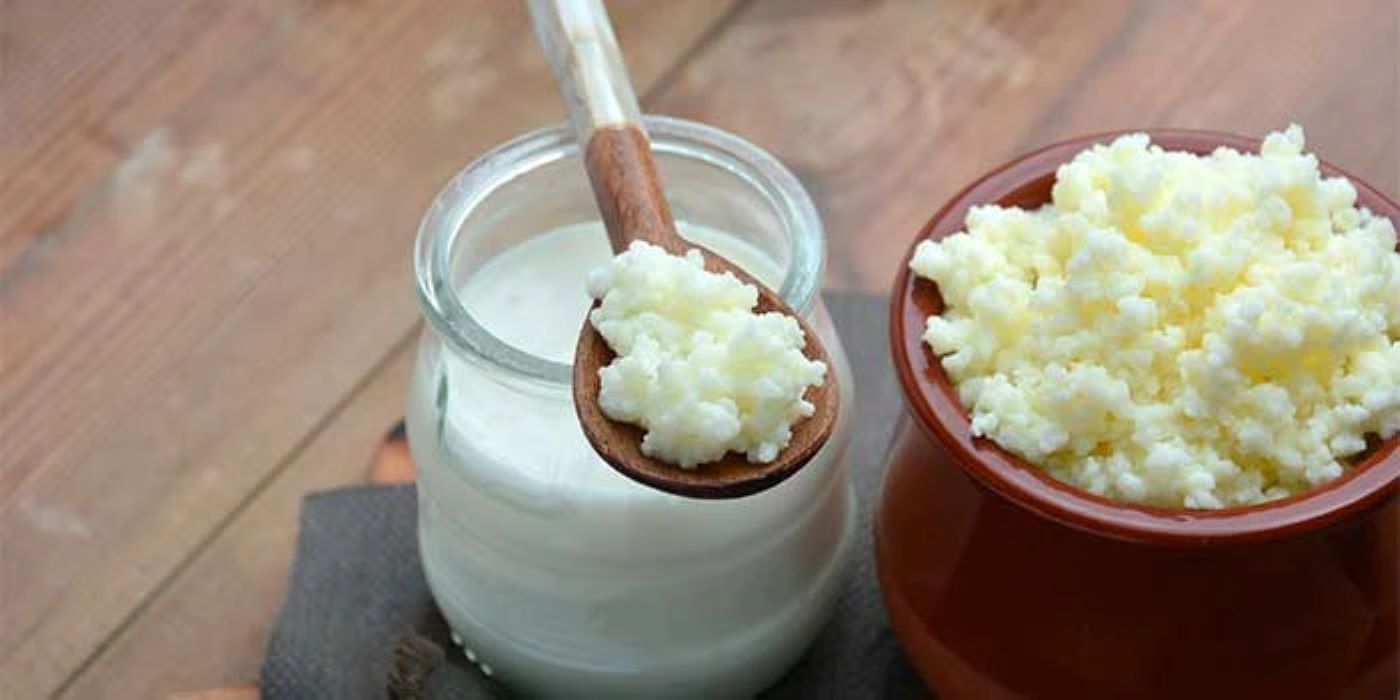
Milk kefir is a cultured dairy product made by fermenting milk with kefir grains. These grains are a symbiotic culture of bacteria and yeast (SCOBY) that work together to ferment the milk, producing a tangy, slightly effervescent beverage rich in probiotics. The fermentation process not only enhances the nutritional profile of the milk but also imparts a unique flavor and texture to the kefir.
The fermentation process begins when kefir grains are added to milk. The bacteria and yeast in the grains consume the lactose (milk sugar) and convert it into lactic acid, carbon dioxide, and other compounds. This process thickens the milk and gives kefir its characteristic tangy taste. The duration of fermentation can vary depending on several factors, including temperature, the ratio of grains to milk, and the desired flavor profile.
One of the key aspects of making milk kefir is understanding the optimal fermentation time. Too short a fermentation period may result in a mild-tasting kefir with less probiotic content, while too long a fermentation can produce an overly sour and thick product. Therefore, finding the right balance is crucial for achieving the best results.
Fermentation time can also be influenced by the type of milk used. For example, cow’s milk, goat’s milk, and plant-based milks can all be used to make kefir, but each type may require different fermentation times and conditions. Additionally, the freshness and quality of the milk can impact the fermentation process and the final product.
In summary, milk kefir fermentation is a dynamic process that involves the interaction of various factors. By understanding these factors and how they influence fermentation time, kefir makers can produce a high-quality, delicious, and probiotic-rich beverage.
Key Factors Influencing Fermentation Time
Several key factors influence the fermentation time of milk kefir. One of the most significant factors is the temperature at which the fermentation takes place. Kefir grains are most active at temperatures between 20°C and 25°C (68°F to 77°F). Higher temperatures can speed up the fermentation process, while lower temperatures can slow it down.
The ratio of kefir grains to milk is another critical factor. A higher ratio of grains to milk will result in a faster fermentation process, as there are more bacteria and yeast available to convert the lactose into lactic acid. Conversely, a lower ratio will slow down the fermentation. Typically, a ratio of 1 tablespoon of kefir grains to 1 cup of milk is recommended for optimal fermentation.
The type of milk used can also affect fermentation time. Whole milk tends to ferment faster than skim or low-fat milk due to its higher fat content. Additionally, the presence of additives or preservatives in the milk can inhibit the activity of kefir grains, leading to a longer fermentation period.
The freshness and quality of the kefir grains themselves are also important. Fresh, active grains will ferment milk more quickly and efficiently than older, less active grains. It’s essential to maintain the health of kefir grains by regularly feeding them fresh milk and storing them properly when not in use.
Environmental factors such as humidity and air circulation can also play a role in fermentation time. High humidity levels can promote the growth of unwanted bacteria and mold, which can interfere with the fermentation process. Adequate air circulation is necessary to ensure that the kefir grains receive enough oxygen to thrive.
Lastly, personal taste preferences can influence the desired fermentation time. Some people prefer a milder, less tangy kefir, which can be achieved with a shorter fermentation period. Others may prefer a more robust, tangy flavor, which requires a longer fermentation time. By experimenting with different fermentation durations, kefir makers can find the perfect balance to suit their taste.
Ideal Temperature for Kefir Fermentation
Temperature is a critical factor in the fermentation of milk kefir. The ideal temperature range for fermenting kefir is between 20°C and 25°C (68°F to 77°F). Within this range, the bacteria and yeast in the kefir grains are most active, leading to a consistent and efficient fermentation process.
Fermenting kefir at temperatures below 20°C (68°F) can slow down the activity of the kefir grains, resulting in a longer fermentation time. While this can still produce a high-quality kefir, it may require more patience and monitoring. Additionally, lower temperatures can lead to a thinner consistency and a milder flavor.
On the other hand, fermenting kefir at temperatures above 25°C (77°F) can accelerate the fermentation process. While this might seem advantageous, it can also lead to over-fermentation, producing a very sour and thick kefir. High temperatures can also increase the risk of unwanted bacterial growth, which can negatively impact the quality and safety of the kefir.
Maintaining a consistent temperature is crucial for achieving the best results. Fluctuations in temperature can cause inconsistencies in the fermentation process, leading to variations in flavor, texture, and probiotic content. Using a thermometer to monitor the fermentation environment can help ensure that the temperature remains within the optimal range.
In some cases, it may be necessary to use a temperature-controlled environment to achieve the desired fermentation conditions. This can be particularly important in regions with extreme temperatures or significant seasonal variations. Using a yogurt maker or a fermentation chamber with temperature control can help maintain a stable environment for kefir fermentation.
In summary, the ideal temperature for kefir fermentation is between 20°C and 25°C (68°F to 77°F). Maintaining a consistent temperature within this range is essential for producing high-quality milk kefir with the desired flavor, texture, and probiotic content.
Effects of Fermentation Duration on Taste
The duration of fermentation has a significant impact on the taste of milk kefir. A shorter fermentation period, typically between 12 to 24 hours, results in a milder, less tangy flavor. This is because the bacteria and yeast in the kefir grains have less time to convert lactose into lactic acid, which is responsible for the tangy taste.
As the fermentation duration increases, the flavor of the kefir becomes more pronounced. A fermentation period of 24 to 48 hours produces a tangier and slightly effervescent kefir. This is often the preferred fermentation time for those who enjoy a robust, tangy flavor with a slight fizziness.
Fermenting kefir for more than 48 hours can result in an extremely tangy and sour product. The extended fermentation time allows the bacteria and yeast to consume more lactose, producing higher levels of lactic acid. This can also lead to a thicker consistency, as the milk proteins coagulate more during the fermentation process.
In addition to the tanginess, the fermentation duration can also affect the sweetness of the kefir. A shorter fermentation period retains more of the natural sweetness of the milk, while a longer fermentation reduces the sweetness as more lactose is converted into lactic acid. This balance of tanginess and sweetness is a key factor in determining the overall flavor profile of the kefir.
The duration of fermentation can also influence the aroma of the kefir. A shorter fermentation period results in a milder aroma, while a longer fermentation produces a more pronounced, tangy smell. This is due to the higher concentration of lactic acid and other fermentation byproducts.
Ultimately, the optimal fermentation duration depends on personal taste preferences. By experimenting with different fermentation times, kefir makers can find the perfect balance of tanginess, sweetness, and aroma to suit their palate.
Monitoring and Adjusting Fermentation Time
Monitoring the fermentation process is crucial for achieving the desired results in milk kefir production. One of the most effective ways to monitor fermentation is by observing the visual and sensory changes in the kefir. As the fermentation progresses, the milk will thicken, and the kefir grains will rise to the surface, indicating active fermentation.
Tasting the kefir at different stages of fermentation is another effective method for monitoring the process. By sampling the kefir at various intervals, kefir makers can determine the optimal fermentation time based on their preferred flavor profile. It’s important to use a clean spoon for tasting to avoid introducing contaminants into the fermentation vessel.
Using a thermometer to monitor the temperature of the fermentation environment is also essential. Maintaining a consistent temperature within the ideal range (20°C to 25°C) ensures that the kefir grains remain active and the fermentation process proceeds smoothly. Temperature fluctuations can lead to inconsistent results and may require adjustments to the fermentation time.
Adjusting the fermentation time based on the observed changes and taste preferences is a key aspect of kefir making. If the kefir is too mild, extending the fermentation time by a few hours can enhance the tanginess and probiotic content. Conversely, if the kefir is too sour, reducing the fermentation time can produce a milder flavor.
In addition to adjusting the fermentation time, the ratio of kefir grains to milk can also be modified to achieve the desired results. Increasing the amount of kefir grains relative to the milk can speed up the fermentation process, while decreasing the ratio can slow it down. This allows for greater control over the final product.
Regularly stirring the kefir during fermentation can also help achieve a more consistent texture and flavor. Stirring distributes the kefir grains evenly throughout the milk, ensuring uniform fermentation. It’s important to use a non-metallic spoon or spatula to avoid damaging the kefir grains.
Troubleshooting Common Fermentation Issues
Despite best efforts, kefir fermentation can sometimes encounter issues. One common problem is over-fermentation, which results in an excessively sour and thick kefir. This can be addressed by reducing the fermentation time or lowering the temperature of the fermentation environment.
Under-fermentation is another issue that can occur, resulting in a thin and mildly flavored kefir. This can be caused by using too few kefir grains, low fermentation temperatures, or insufficient fermentation time. Increasing the amount of kefir grains, raising the temperature, or extending the fermentation period can help resolve this issue.
Contamination is a serious concern in kefir fermentation. Unwanted bacteria, mold, or yeast can spoil the kefir and pose health risks. To prevent contamination, it’s essential to use clean utensils, containers, and workspaces. If contamination occurs, it’s necessary to discard the affected kefir and thoroughly clean all equipment before starting a new batch.
Separation of the kefir into curds and whey is another common issue. While some separation is normal, excessive separation can indicate over-fermentation or an imbalance in the kefir grains to milk ratio. Stirring the kefir during fermentation and adjusting the fermentation time or grain ratio can help minimize separation.
Inactive or slow-fermenting kefir grains can also be problematic. This can be due to the grains being old, damaged, or stored improperly. Revitalizing the grains by soaking them in fresh milk for a few days or using a higher ratio of grains to milk can help restore their activity.
Lastly, the texture of the kefir can sometimes be too grainy or slimy. This can be caused by imbalances in the fermentation process or the presence of unwanted microorganisms. Ensuring proper fermentation conditions, using fresh and active kefir grains, and maintaining cleanliness can help achieve a smooth and creamy kefir texture.
Conclusion: Understanding the optimal fermentation time for milk kefir is essential for producing a high-quality, flavorful, and probiotic-rich beverage. By considering key factors such as temperature, grain-to-milk ratio, and personal taste preferences, kefir makers can achieve the desired results. Monitoring and adjusting the fermentation process, as well as troubleshooting common issues, are crucial steps in ensuring a successful fermentation. With the right knowledge and techniques, anyone can enjoy the benefits of homemade milk kefir.
Read More…
- Kefir Fermentation Guide by Cultures for Health
- A comprehensive guide on milk kefir fermentation, covering the basics, troubleshooting, and advanced techniques.
- The Art of Fermentation by Sandor Katz
- A detailed book on fermentation, including chapters on milk kefir and other fermented foods.
- Milk Kefir Grains: How to Care for and Use Them by Yemoos Nourishing Cultures
- An in-depth resource on caring for kefir grains, with tips on fermentation and troubleshooting.
- Probiotics and Fermented Foods by Harvard Health
- An article discussing the health benefits of probiotics and fermented foods, including milk kefir.
- Fermentation Temperature Control by Ferment Works
- A guide on the importance of temperature control in fermentation, with practical tips for maintaining optimal conditions.