

Introduction:
Kefir, a fermented milk drink, has been gaining popularity due to its numerous health benefits and unique taste. However, many people are often puzzled by its flavor, wondering if kefir should taste like sour milk. This article delves into the intricacies of kefir, its fermentation process, and the factors that influence its taste, while also providing tips on how to improve its flavor for those who find it too tangy.
Understanding Kefir: A Brief Overview
Kefir is a cultured, fermented milk drink that originates from the Caucasus Mountains. It is made by adding kefir grains, which are a combination of bacteria and yeast, to milk. The grains ferment the milk, resulting in a tangy, slightly effervescent beverage that is rich in probiotics.
The history of kefir dates back centuries, with its name derived from the Turkish word "keif," meaning "good feeling." This is likely due to the drink’s reputed health benefits, which include improved digestion and a boosted immune system. Traditionally, kefir was made in animal skin bags that were hung near doorways, allowing the constant agitation from people passing by to aid the fermentation process.
Kefir is often compared to yogurt, but it has a thinner consistency and a more complex microbial composition. While yogurt typically contains a few strains of bacteria, kefir boasts a diverse array of both bacteria and yeast, contributing to its unique properties and health benefits.
The drink can be made from various types of milk, including cow, goat, sheep, and even non-dairy alternatives like coconut or almond milk. Each type of milk can impart different flavors and textures to the final product, offering a range of options for consumers.
Commercially available kefir is often pasteurized and may contain added flavors or sweeteners to appeal to a broader audience. However, homemade kefir is generally considered to be more potent in terms of probiotic content and flavor.
Understanding the basics of kefir is essential for appreciating its unique taste and the factors that contribute to its flavor profile. This knowledge also sets the stage for exploring the fermentation process and how it influences the drink’s characteristics.
The Fermentation Process of Kefir
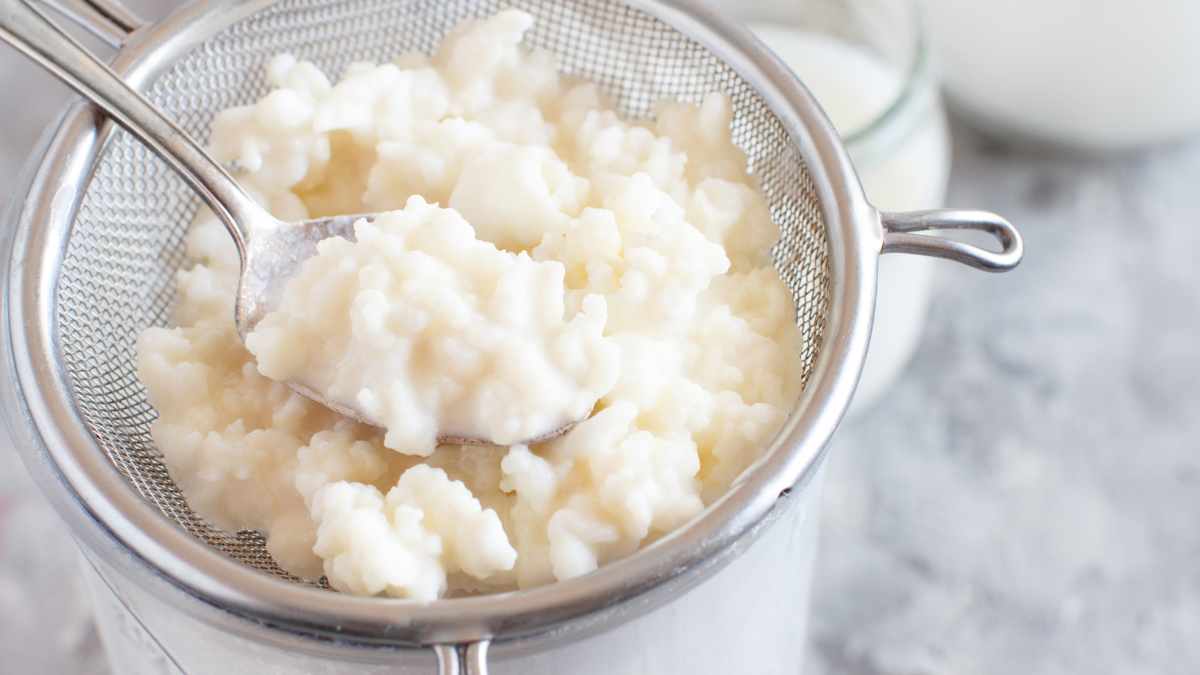
The fermentation process of kefir is a complex interplay between bacteria and yeast. Kefir grains, which resemble small cauliflower florets, are added to milk to initiate fermentation. These grains contain a symbiotic culture of bacteria and yeast (SCOBY) that work together to ferment the milk.
During fermentation, the lactose in the milk is converted into lactic acid by the bacteria, which lowers the pH and gives kefir its characteristic tangy taste. This process also thickens the milk, although kefir remains more liquid than yogurt. The yeast in the kefir grains ferments some of the lactose into alcohol and carbon dioxide, contributing to the slight effervescence that some kefir varieties exhibit.
The fermentation process typically takes 24 to 48 hours at room temperature. The exact duration can vary depending on factors such as the ambient temperature, the type of milk used, and the desired flavor profile. Warmer temperatures generally speed up fermentation, resulting in a tangier and more effervescent kefir.
Once fermentation is complete, the kefir grains are strained out of the liquid and can be reused for subsequent batches. The resulting kefir can be consumed immediately or stored in the refrigerator to slow down further fermentation and to develop a more mellow flavor over time.
The microbial composition of kefir grains is highly diverse, including species such as Lactobacillus, Leuconostoc, and Saccharomyces. This diversity not only contributes to the health benefits of kefir but also to its complex flavor profile.
Understanding the fermentation process is crucial for appreciating why kefir tastes the way it does. The interplay between bacteria and yeast, the conversion of lactose into lactic acid, and the production of alcohol and carbon dioxide all contribute to the unique characteristics of this fermented drink.
Comparing Kefir and Sour Milk Taste
At first glance, kefir and sour milk may seem similar due to their tangy flavors, but there are distinct differences between the two. Sour milk is typically the result of milk that has gone bad due to uncontrolled bacterial growth, whereas kefir is a carefully cultured product with a specific microbial composition.
The tanginess in sour milk is primarily due to the production of lactic acid by spoilage bacteria. This uncontrolled fermentation can result in off-flavors and a less pleasant taste compared to the more complex and balanced flavor profile of kefir. Additionally, sour milk lacks the effervescence that kefir often has, which is produced by the yeast in kefir grains.
Kefir’s flavor is often described as tangy, slightly sour, and sometimes even fizzy. This complexity is due to the diverse microbial community in kefir grains, which includes both bacteria and yeast. The controlled fermentation process ensures that the resulting drink has a consistent and pleasant taste, unlike the unpredictable flavor of sour milk.
While both kefir and sour milk have a sour taste, kefir’s flavor is generally more nuanced and less harsh. The presence of yeast in kefir grains also contributes to a slight alcoholic note, which is absent in sour milk. This gives kefir a unique taste that is often described as a cross between yogurt and buttermilk, with an added effervescent twist.
Another key difference is the texture. Sour milk tends to be more liquid and can have a slimy consistency, whereas kefir is thicker and creamier, thanks to the polysaccharides produced by the bacteria during fermentation. This texture difference further distinguishes kefir from sour milk and contributes to its overall appeal.
Understanding these differences is essential for appreciating why kefir should not be equated with sour milk. While both have a tangy taste, the controlled fermentation process and diverse microbial composition of kefir result in a more complex and enjoyable flavor profile.
Factors Influencing Kefir’s Flavor Profile
Several factors influence the flavor profile of kefir, ranging from the type of milk used to the fermentation conditions. Understanding these factors can help in customizing the taste of kefir to suit individual preferences.
The type of milk used is one of the most significant factors affecting kefir’s flavor. Cow’s milk is the most commonly used and produces a mild, creamy kefir. Goat’s milk, on the other hand, results in a tangier and slightly gamier flavor. Non-dairy alternatives like coconut or almond milk can also be used, each imparting its unique taste to the final product.
The fermentation time and temperature also play crucial roles in determining kefir’s flavor. Longer fermentation times generally result in a tangier and more effervescent kefir, as the bacteria and yeast have more time to convert lactose into lactic acid and carbon dioxide. Warmer temperatures accelerate fermentation, leading to a more pronounced tanginess and effervescence.
The ratio of kefir grains to milk can also impact the flavor. A higher concentration of kefir grains will speed up the fermentation process, resulting in a tangier kefir. Conversely, using fewer grains will slow down fermentation, producing a milder flavor.
The freshness and quality of the kefir grains are other important factors. Over time, kefir grains can lose their potency, leading to a less robust fermentation process and a milder flavor. Regularly refreshing the grains by using them in new batches of milk can help maintain their effectiveness and the resulting kefir’s flavor.
The storage conditions of the kefir also influence its taste. Refrigerating kefir slows down the fermentation process and allows the flavors to mellow and develop over time. Some people prefer the taste of kefir that has been aged for a few days, as it tends to be less tangy and more balanced.
Understanding these factors can help in fine-tuning the flavor of kefir to meet individual preferences. Whether you prefer a tangier, more effervescent kefir or a milder, creamier version, adjusting these variables can help achieve the desired taste.
Health Benefits of Consuming Kefir
Kefir is renowned for its numerous health benefits, making it a popular choice among health-conscious individuals. One of the most significant benefits is its probiotic content, which promotes a healthy gut microbiome and improves digestion.
The probiotics in kefir, such as Lactobacillus and Bifidobacterium, help maintain a balanced gut flora, which is essential for overall digestive health. These beneficial bacteria can alleviate symptoms of irritable bowel syndrome (IBS), reduce bloating, and improve bowel regularity.
Kefir is also rich in vitamins and minerals, including calcium, magnesium, and vitamin K2. These nutrients are essential for maintaining strong bones and preventing osteoporosis. The fermentation process also increases the bioavailability of these nutrients, making them easier for the body to absorb.
Another notable benefit of kefir is its potential to boost the immune system. The probiotics in kefir can enhance the body’s natural defenses by stimulating the production of antibodies and promoting the activity of white blood cells. This can help protect against infections and reduce the severity of common illnesses like the cold and flu.
Kefir also has anti-inflammatory properties, which can benefit individuals with inflammatory conditions such as arthritis or inflammatory bowel disease (IBD). The probiotics in kefir can help modulate the immune response and reduce inflammation, providing relief from symptoms.
For those who are lactose intolerant, kefir can be a suitable alternative to regular milk. The fermentation process breaks down most of the lactose in the milk, making kefir easier to digest for individuals with lactose intolerance. This allows them to enjoy the nutritional benefits of dairy without the discomfort associated with lactose consumption.
In summary, the health benefits of kefir extend beyond its probiotic content. Its rich nutrient profile, immune-boosting properties, and anti-inflammatory effects make it a valuable addition to a balanced diet. Regular consumption of kefir can contribute to overall well-being and improve various aspects of health.
Tips for Improving Kefir’s Taste
While kefir’s tangy flavor is appreciated by many, some people find it too strong or off-putting. Fortunately, there are several ways to improve the taste of kefir without compromising its health benefits.
One of the simplest ways to enhance kefir’s flavor is by adding natural sweeteners. Honey, maple syrup, or agave nectar can be mixed into kefir to balance its tanginess with a touch of sweetness. Start with a small amount and adjust to taste, as adding too much sweetener can overpower the kefir’s natural flavors.
Another effective method is to blend kefir with fruits. Berries, bananas, and mangoes are popular choices that can add natural sweetness and mask the tanginess of kefir. Blending kefir with fruits also creates a smoothie-like consistency, making it more palatable for those who prefer a thicker drink.
Adding spices and herbs can also improve kefir’s taste. A dash of cinnamon, vanilla extract, or fresh mint can enhance the flavor profile and provide a pleasant aroma. Experimenting with different combinations can help find the perfect blend that suits individual preferences.
For those who prefer a less tangy kefir, adjusting the fermentation time can make a significant difference. Shortening the fermentation period results in a milder flavor, as the bacteria and yeast have less time to produce lactic acid and carbon dioxide. Start with a shorter fermentation time and gradually increase it until the desired taste is achieved.
Storing kefir in the refrigerator for a few days can also help mellow its flavor. The cold temperature slows down the fermentation process, allowing the flavors to develop and become more balanced over time. This can result in a smoother and less tangy kefir that is easier to enjoy.
Lastly, experimenting with different types of milk can lead to a more enjoyable kefir. Goat’s milk, for example, produces a tangier kefir, while cow’s milk results in a milder flavor. Non-dairy alternatives like coconut or almond milk can also be used, each offering a unique taste that may be more appealing to some individuals.
By following these tips, it is possible to customize the taste of kefir to suit individual preferences. Whether you prefer a sweeter, fruitier kefir or a milder, creamier version, these adjustments can help make kefir a more enjoyable part of your daily diet.
Conclusion:
Kefir is a unique and nutritious fermented milk drink with a distinctive tangy flavor. While it may taste similar to sour milk, its controlled fermentation process and diverse microbial composition result in a more complex and enjoyable taste. Understanding the factors that influence kefir’s flavor and implementing tips to improve its taste can help make this healthful beverage a delightful addition to your diet.
Read More…
- Healthline: What Is Kefir?
- A comprehensive guide to kefir, including its health benefits and how it is made.
- WebMD: The Benefits of Kefir
- An overview of the health benefits associated with kefir consumption.
- The Kitchn: How To Make Milk Kefir
- A step-by-step guide to making kefir at home, with tips for improving its taste.
-
National Center for Biotechnology Information: Probiotics and Their Role in Health and Disease
- A scientific article detailing the role of probiotics in health, including those found in kefir.
- Cultures for Health: Kefir Grains and Kefir Making
- A resource for understanding kefir grains and the fermentation process, with troubleshooting tips.