

Se hai un abbonamento attivo ACCEDI QUI
Introduction: Kefir, a fermented beverage with a rich history, has gained popularity in recent years due to its numerous health benefits and unique nutritional profile. This comprehensive guide aims to provide an in-depth understanding of kefir, covering its origins, nutritional components, health benefits, types, preparation methods, and best practices for storage and usage.
Introduction to Kefir: Origins and History
Kefir is a fermented drink that traces its origins back to the Caucasus Mountains, where it has been consumed for centuries. The word "kefir" is derived from the Turkish word "keyif," which means "feeling good" after eating. This reflects the beverage’s long-standing reputation for promoting health and well-being.
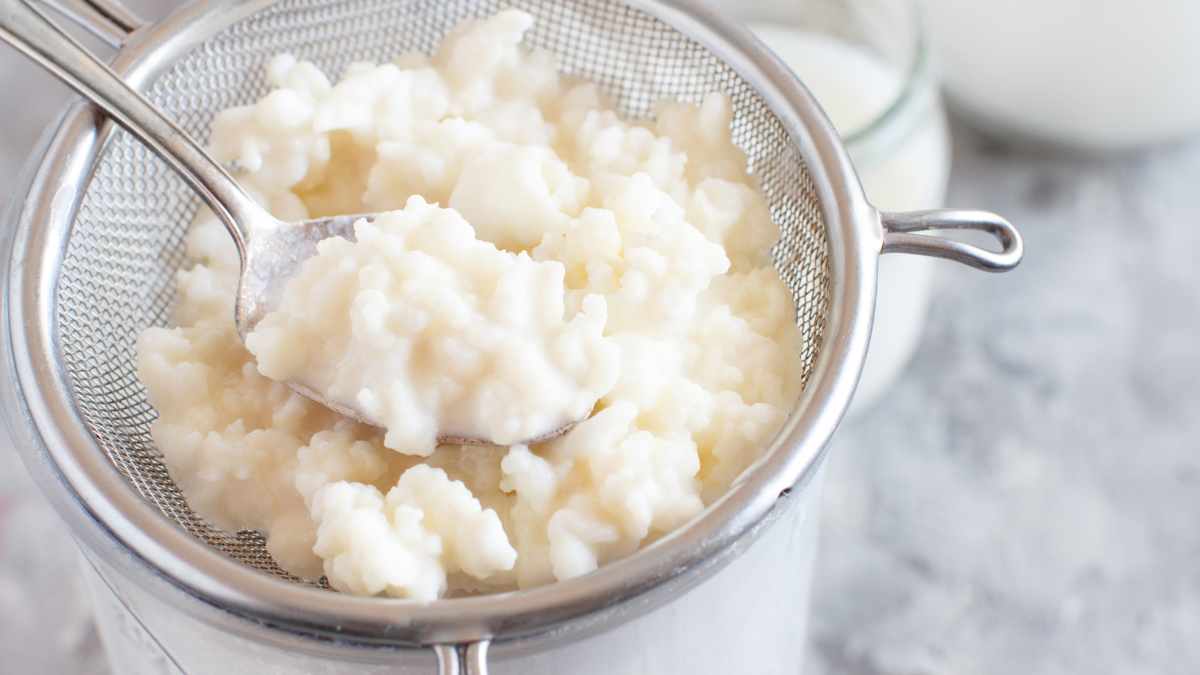
Historically, kefir was made by fermenting milk with kefir grains, a symbiotic culture of bacteria and yeasts (SCOBY). These grains resemble small cauliflower florets and are rich in probiotics, which are beneficial for gut health. The traditional method of making kefir involved placing the grains in a leather bag filled with milk and allowing it to ferment at room temperature.
Kefir’s journey from the Caucasus to the rest of the world is a fascinating tale of cultural exchange. Russian scientists in the early 20th century recognized its potential health benefits and began studying it extensively. This led to the industrial production of kefir, making it more accessible to a broader audience.
In recent years, kefir has gained global recognition as a superfood, thanks to its probiotic content and potential health benefits. It is now widely available in supermarkets and health food stores, often marketed as a functional food that supports digestive health.
Despite its modern popularity, kefir remains deeply rooted in tradition. Many people still prefer to make their own kefir at home using the traditional methods passed down through generations. This not only ensures the highest quality but also allows for customization in terms of flavor and consistency.
Understanding the origins and history of kefir provides valuable context for appreciating this ancient beverage. It highlights the cultural significance and enduring appeal of kefir as a health-promoting food.
Nutritional Profile of Kefir: Key Components
Kefir is renowned for its impressive nutritional profile, which includes a wide range of vitamins, minerals, and bioactive compounds. One of the key components of kefir is its probiotic content, which consists of beneficial bacteria and yeasts that support gut health.
A typical serving of kefir provides a substantial amount of protein, making it a valuable addition to the diet, especially for those seeking to increase their protein intake. The proteins in kefir are easily digestible, which can be beneficial for individuals with lactose intolerance or other digestive issues.
Kefir is also rich in vitamins, particularly B vitamins such as B12, riboflavin, and folate. These vitamins play crucial roles in energy production, red blood cell formation, and overall cellular function. Additionally, kefir contains vitamin K2, which is important for bone health and cardiovascular function.
Minerals are another essential component of kefir’s nutritional profile. Calcium, magnesium, and phosphorus are present in significant amounts, contributing to bone health and metabolic processes. The bioavailability of these minerals is enhanced by the fermentation process, making them more easily absorbed by the body.
One of the unique aspects of kefir is its content of bioactive compounds, including peptides and organic acids. These compounds have been shown to have various health-promoting effects, such as antimicrobial properties and the ability to modulate the immune system.
Overall, the nutritional profile of kefir makes it a highly valuable food for promoting health and well-being. Its combination of probiotics, proteins, vitamins, minerals, and bioactive compounds offers a comprehensive array of nutrients that support various bodily functions.
Health Benefits of Kefir: Scientific Insights
The health benefits of kefir are supported by a growing body of scientific research. One of the most well-documented benefits is its positive impact on gut health. The probiotics in kefir help maintain a healthy balance of gut microbiota, which is essential for digestion, nutrient absorption, and immune function.
Research has shown that kefir can help alleviate symptoms of lactose intolerance. The fermentation process breaks down lactose, making it easier to digest for individuals who are lactose intolerant. This makes kefir a suitable dairy option for those who typically avoid milk products.
Kefir has also been studied for its potential anti-inflammatory properties. Chronic inflammation is linked to various health conditions, including heart disease, diabetes, and autoimmune disorders. The probiotics and bioactive compounds in kefir may help reduce inflammation and support overall health.
Another area of interest is kefir’s potential role in weight management. Some studies suggest that the probiotics in kefir can influence metabolism and appetite regulation, potentially aiding in weight loss efforts. Additionally, the protein content of kefir can promote satiety and reduce overall calorie intake.
Kefir’s impact on mental health is an emerging field of research. The gut-brain axis, a bidirectional communication system between the gut and the brain, plays a crucial role in mental health. Probiotics in kefir may influence this axis, potentially improving mood and reducing symptoms of anxiety and depression.
Lastly, kefir has been shown to have antimicrobial properties. The lactic acid bacteria in kefir produce compounds that can inhibit the growth of harmful pathogens, contributing to a healthier gut environment. This antimicrobial effect may also extend to other areas of the body, providing a broader range of health benefits.
Types of Kefir: Milk, Water, and Alternatives
Kefir comes in various forms, each with its unique characteristics and benefits. The most common type is milk kefir, which is made by fermenting cow, goat, or sheep milk with kefir grains. Milk kefir has a creamy texture and a tangy flavor, similar to yogurt but more effervescent.
Water kefir is an alternative for those who are lactose intolerant or prefer a dairy-free option. It is made by fermenting sugar water with water kefir grains, which are different from milk kefir grains. Water kefir has a lighter, more refreshing taste and can be flavored with fruits, herbs, and spices.
Coconut kefir is another popular alternative, made by fermenting coconut milk or coconut water with kefir grains. Coconut kefir retains the tropical flavor of coconut while offering the probiotic benefits of kefir. It is a suitable option for vegans and those following a dairy-free diet.
There are also non-dairy milk kefirs, made by fermenting plant-based milks such as almond, soy, or oat milk. These kefirs cater to individuals with dietary restrictions or preferences, providing a versatile way to enjoy the benefits of kefir without consuming animal products.
Each type of kefir has its unique nutritional profile and health benefits. For example, milk kefir is rich in calcium and protein, while water kefir is low in calories and sugar. Coconut kefir provides healthy fats, and non-dairy milk kefirs offer various plant-based nutrients.
Choosing the right type of kefir depends on individual dietary needs and preferences. Whether you opt for traditional milk kefir, refreshing water kefir, or one of the many alternatives, incorporating kefir into your diet can provide numerous health benefits.
How to Make Kefir: Step-by-Step Guide
Making kefir at home is a simple and rewarding process. To start, you will need kefir grains, which can be purchased online or obtained from someone who already makes kefir. Here is a step-by-step guide to making milk kefir:
-
Gather Your Ingredients and Equipment: You will need kefir grains, milk (cow, goat, or sheep), a glass jar, a plastic or wooden spoon, and a breathable cover such as a coffee filter or cheesecloth.
-
Add Kefir Grains to Milk: Place 1-2 tablespoons of kefir grains into the glass jar. Pour 2 cups of milk over the grains, ensuring they are fully submerged.
-
Cover and Ferment: Cover the jar with the coffee filter or cheesecloth and secure it with a rubber band. Leave the jar at room temperature (68-72°F) to ferment for 24-48 hours. The fermentation time depends on the desired taste and consistency.
-
Strain the Kefir: After fermentation, the milk will have thickened and developed a tangy flavor. Use a plastic or wooden spoon to stir the mixture, then strain it through a plastic sieve to separate the kefir grains from the liquid.
-
Store the Kefir: Transfer the strained kefir to a clean glass jar and store it in the refrigerator. It will keep for up to a week. The kefir grains can be reused to start a new batch immediately or stored in a small amount of milk in the refrigerator.
-
Flavor and Enjoy: Homemade kefir can be consumed plain or flavored with fruits, honey, or spices. Experiment with different flavors to find your favorite combination.
Making water kefir follows a similar process but uses sugar water instead of milk. The basic steps include dissolving sugar in water, adding water kefir grains, fermenting, and then straining and storing the kefir.
Storing and Using Kefir: Best Practices
Proper storage of kefir is essential to maintain its quality and probiotic content. Once fermented, kefir should be stored in the refrigerator to slow down the fermentation process and preserve its freshness. It is best consumed within a week, although it can last longer if stored correctly.
When storing kefir grains, keep them in a small amount of milk or sugar water in the refrigerator. This will keep the grains active and ready for the next batch. If you need to take a break from making kefir, you can freeze the grains in a small amount of milk or water. Thaw them in the refrigerator before use.
Using kefir in your daily diet is versatile and straightforward. It can be consumed as a drink, added to smoothies, or used as a base for salad dressings and marinades. Kefir can also be incorporated into baking recipes, such as bread and pancakes, to add a probiotic boost.
For those who enjoy experimenting in the kitchen, kefir can be used to make other fermented foods, such as kefir cheese or kefir sourdough. The possibilities are endless, and incorporating kefir into various recipes can enhance both the flavor and nutritional value of your meals.
It is important to note that kefir is a living food, and its taste and consistency can change over time. If your kefir becomes too sour or separates, it may be over-fermented. Simply adjust the fermentation time in future batches to achieve your desired flavor.
By following these best practices for storing and using kefir, you can enjoy the full benefits of this nutritious and versatile fermented beverage.
Conclusion: Kefir is a remarkable fermented beverage with a rich history and a wide range of health benefits. Its impressive nutritional profile, including probiotics, proteins, vitamins, minerals, and bioactive compounds, makes it a valuable addition to any diet. Whether you prefer traditional milk kefir, refreshing water kefir, or one of the many alternatives, incorporating kefir into your daily routine can support overall health and well-being. By understanding the origins, nutritional components, health benefits, types, and preparation methods of kefir, you can fully appreciate and enjoy this ancient superfood.
Read More…
- Kefir: The Not-Quite-Paleo Superfood – Healthline provides a comprehensive overview of kefir, including its health benefits and nutritional profile.
- The History of Kefir – Cultures for Health offers an in-depth look at the origins and history of kefir.
- Probiotics and Prebiotics: What You Should Know – The National Center for Complementary and Integrative Health explains the science behind probiotics and their health benefits.
- How to Make Kefir at Home – The Kitchn provides a detailed step-by-step guide to making kefir at home.
- The Benefits of Kefir – Medical News Today explores the various health benefits of kefir, supported by scientific research.