

Introduction:
Kefir, a fermented dairy product, has gained immense popularity due to its numerous health benefits, including improved digestion and a boost to the immune system. However, for those monitoring their sugar intake, it’s crucial to understand the sugar content in various kefir products. This article delves into the factors influencing sugar levels in kefir, compares popular brands, and provides tips for selecting low-sugar options, ensuring you get the most nutritional benefits without the added sugars.
Understanding Kefir and Its Sugar Content
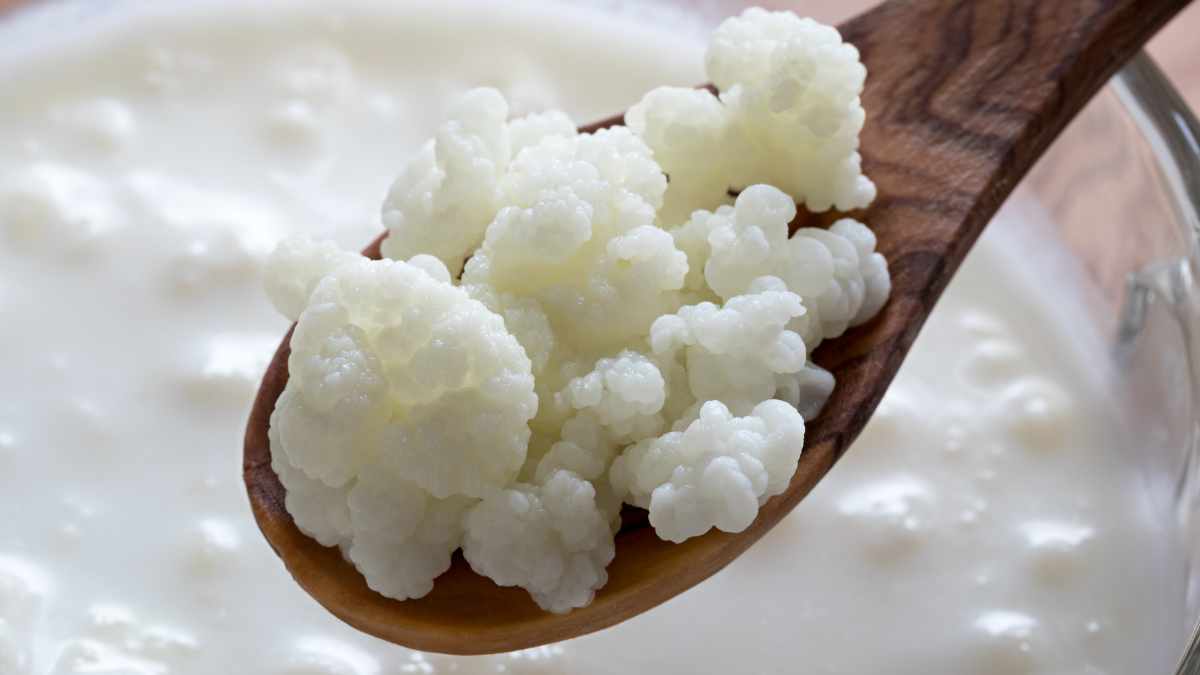
Kefir is a cultured dairy product made by fermenting milk with kefir grains, which are a combination of bacteria and yeast. The fermentation process breaks down lactose, the sugar found in milk, into simpler sugars and acids. This process not only makes kefir easier to digest for those with lactose intolerance but also influences its sugar content. The end product is a tangy, slightly effervescent drink rich in probiotics.
The sugar content in kefir can vary significantly depending on several factors, including the type of milk used and the fermentation time. Typically, plain kefir contains less sugar than flavored varieties, as no additional sweeteners are added. On average, plain kefir contains about 12-15 grams of sugar per cup, primarily from the natural lactose present in milk.
Flavored kefir, on the other hand, often has added sugars to enhance taste, which can significantly increase the overall sugar content. Some commercial brands may add fruit purees, syrups, or other sweeteners, pushing the sugar content to 20 grams or more per serving. Therefore, it’s essential to read the nutritional labels carefully when choosing kefir products.
The fermentation process itself can also impact the sugar levels. Longer fermentation times typically result in lower sugar content, as the bacteria and yeast consume more of the lactose. However, this also leads to a tangier taste, which may not be preferred by everyone.
Understanding these basics is crucial for making informed choices about kefir consumption, especially for those looking to minimize their sugar intake. In the following sections, we will explore the factors influencing sugar levels in kefir and compare the sugar content in popular brands to help you make the best choice for your dietary needs.
Factors Influencing Sugar Levels in Kefir
Several factors influence the sugar content in kefir, starting with the type of milk used. Whole milk, skim milk, and non-dairy alternatives like coconut or almond milk all have different sugar profiles. Whole milk contains more lactose compared to skim milk, which can result in a higher sugar content in the final product. Non-dairy alternatives may have added sugars unless specified as unsweetened.
The fermentation time is another critical factor. As mentioned earlier, a longer fermentation period allows the bacteria and yeast to consume more lactose, thereby reducing the sugar content. However, this extended fermentation can also result in a more acidic and tangy flavor, which might not be appealing to everyone.
The specific strains of bacteria and yeast used in the kefir grains can also affect the sugar levels. Different strains have varying efficiencies in breaking down lactose. Some commercial kefir products may use proprietary blends of cultures designed to optimize fermentation and sugar reduction, while others may not be as effective.
Temperature control during fermentation is another aspect that can influence sugar content. Higher temperatures can speed up the fermentation process, leading to quicker lactose breakdown. However, maintaining consistent temperatures is crucial for achieving the desired balance of flavor and sugar content.
Additives and flavorings are perhaps the most significant factors affecting sugar levels in commercially available kefir. Many brands add fruit purees, syrups, or even artificial sweeteners to enhance the taste, which can significantly increase the sugar content. Always check the ingredient list for any added sugars or sweeteners.
Lastly, the serving size can also play a role in your sugar intake. Some kefir products may list nutritional information for smaller serving sizes, making the sugar content appear lower. Be mindful of the serving size when comparing different brands to get an accurate understanding of the sugar content per cup or per serving.
Comparing Sugar Content in Popular Kefir Brands
When it comes to selecting a low-sugar kefir, understanding the sugar content in popular brands can be incredibly helpful. Let’s take a closer look at some of the leading kefir brands and their sugar profiles.
Lifeway Kefir is one of the most well-known brands in the market. Their plain kefir typically contains around 12 grams of sugar per cup, primarily from the natural lactose in milk. However, their flavored varieties can contain up to 20 grams of sugar per serving due to added sweeteners and fruit purees.
Another popular brand is Green Valley Creamery, which offers both plain and flavored kefir. Their plain kefir has about 11 grams of sugar per cup, while their flavored options range from 16 to 18 grams of sugar per serving. Green Valley Creamery is also known for using high-quality, organic ingredients, which can be a plus for health-conscious consumers.
Maple Hill Creamery is another brand worth mentioning. Their plain kefir contains approximately 10 grams of sugar per cup, making it one of the lower-sugar options available. Their flavored kefir, however, can contain up to 17 grams of sugar per serving, so it’s essential to check the labels carefully.
For those looking for non-dairy options, Califia Farms offers almond and coconut milk kefir. Their unsweetened almond milk kefir contains only 1 gram of sugar per cup, making it an excellent choice for those monitoring their sugar intake. However, their flavored varieties can contain up to 12 grams of sugar per serving.
Lastly, Nancy’s Organic Kefir is another brand to consider. Their plain kefir has around 12 grams of sugar per cup, while their flavored options can contain up to 18 grams of sugar per serving. Nancy’s is known for its commitment to organic and non-GMO ingredients, which can be an added benefit.
By comparing these popular brands, you can make an informed decision about which kefir product best fits your dietary needs and preferences. Always remember to check the nutritional labels and ingredient lists to ensure you’re choosing a low-sugar option.
Low-Sugar Kefir: Homemade vs. Store-Bought
Making kefir at home can be an excellent way to control its sugar content. When you make kefir yourself, you have complete control over the ingredients and fermentation process, allowing you to minimize added sugars and optimize the nutritional benefits.
Homemade kefir typically involves fermenting milk with kefir grains for 24 to 48 hours. The longer you ferment the kefir, the more lactose the bacteria and yeast will consume, resulting in lower sugar content. However, this also means the kefir will have a tangier taste, which might require some getting used to.
One of the main advantages of homemade kefir is the ability to use any type of milk you prefer, including non-dairy alternatives. By choosing unsweetened almond, coconut, or soy milk, you can further reduce the sugar content. Additionally, you can experiment with different fermentation times and temperatures to achieve the desired balance of flavor and sugar levels.
Store-bought kefir, on the other hand, offers convenience and consistency. Many commercial brands have optimized their fermentation processes to produce kefir with a balanced taste and nutritional profile. However, as discussed earlier, flavored varieties often contain added sugars, which can significantly increase the overall sugar content.
Another consideration is the quality of the kefir grains used in homemade kefir. High-quality grains can result in a more efficient fermentation process, leading to lower sugar content. You can often find kefir grains from reputable suppliers online or at health food stores.
While homemade kefir allows for greater control over sugar content, it does require time and effort. Store-bought kefir offers convenience but may come with higher sugar levels, especially in flavored varieties. Ultimately, the choice between homemade and store-bought kefir depends on your personal preferences, lifestyle, and dietary goals.
Tips for Choosing Low-Sugar Kefir Products
When selecting low-sugar kefir products, there are several tips to keep in mind to ensure you’re making the healthiest choice possible. First and foremost, always read the nutritional labels carefully. Look for products that list sugar content per serving and compare different brands to find the lowest sugar options.
Opt for plain kefir whenever possible, as it typically contains less sugar than flavored varieties. Plain kefir usually has no added sugars, with the sugar content coming solely from the natural lactose in milk. If you prefer flavored kefir, look for brands that use natural sweeteners like fruit purees without added sugars or artificial sweeteners.
Check the ingredient list for any hidden sugars or sweeteners. Ingredients like high fructose corn syrup, cane sugar, and fruit syrups can significantly increase the sugar content. Be cautious of terms like "evaporated cane juice" or "organic cane sugar," as these are still forms of added sugar.
Consider the type of milk used in the kefir. Whole milk kefir tends to have more natural sugars (lactose) compared to skim milk or non-dairy alternatives. If you’re looking to reduce sugar intake, opt for kefir made from skim milk or unsweetened non-dairy milk like almond or coconut milk.
Pay attention to serving sizes listed on the nutritional label. Some brands may list smaller serving sizes to make the sugar content appear lower. Ensure you’re comparing equal serving sizes to get an accurate understanding of the sugar content per cup or per serving.
Lastly, consider making your own kefir at home. As discussed earlier, homemade kefir allows you to control the ingredients and fermentation process, resulting in a lower sugar content. You can also experiment with different types of milk and fermentation times to achieve the desired balance of flavor and sugar levels.
Nutritional Benefits of Low-Sugar Kefir
Low-sugar kefir offers numerous nutritional benefits, making it a valuable addition to a healthy diet. One of the primary benefits is its rich probiotic content. Probiotics are beneficial bacteria that support gut health, improve digestion, and boost the immune system. Regular consumption of low-sugar kefir can help maintain a healthy balance of gut flora, which is essential for overall well-being.
In addition to probiotics, low-sugar kefir is an excellent source of essential nutrients, including calcium, vitamin D, and B vitamins. Calcium and vitamin D are crucial for maintaining strong bones and teeth, while B vitamins play a vital role in energy production and overall metabolic function. By choosing low-sugar kefir, you can enjoy these nutritional benefits without the added sugars that can contribute to weight gain and other health issues.
Low-sugar kefir is also a good source of protein, which is essential for muscle repair and growth. A typical serving of kefir contains around 8-11 grams of protein, depending on the type of milk used. This makes it an excellent option for those looking to increase their protein intake without consuming excessive amounts of sugar.
Another benefit of low-sugar kefir is its potential to aid in weight management. The combination of probiotics, protein, and low sugar content can help promote satiety and reduce overall calorie intake. Additionally, the probiotics in kefir may help improve metabolism and support healthy weight loss efforts.
Low-sugar kefir also contains bioactive compounds, such as peptides and polysaccharides, which have been shown to have anti-inflammatory and antioxidant properties. These compounds can help reduce inflammation in the body, support immune function, and protect against chronic diseases.
In summary, low-sugar kefir offers a range of nutritional benefits, including improved gut health, essential nutrients, protein, and potential weight management support. By choosing low-sugar options, you can enjoy these benefits without the negative effects of added sugars.
Conclusion:
Choosing low-sugar kefir is a smart decision for those looking to reap the health benefits of this fermented dairy product without the added sugars. By understanding the factors that influence sugar content, comparing popular brands, and considering homemade options, you can make informed choices that align with your dietary goals. Low-sugar kefir not only supports gut health and provides essential nutrients but also aids in weight management and overall well-being. Always read nutritional labels and ingredient lists carefully to ensure you’re selecting the healthiest options available.
Read More…
- Lifeway Kefir Nutritional Information
- Comprehensive details on the nutritional content of Lifeway Kefir products, including sugar levels.
- Green Valley Creamery Kefir
- Information on Green Valley Creamery’s kefir products, with a focus on organic and lactose-free options.
- Maple Hill Creamery Kefir
- Overview of Maple Hill Creamery’s kefir offerings, highlighting their low-sugar plain kefir.
- Califia Farms Almond Milk Kefir
- Details on Califia Farms’ non-dairy kefir options, including sugar content and ingredient lists.
- Nancy’s Organic Kefir
- Nutritional information and ingredient details for Nancy’s Organic Kefir products.