

Se hai un abbonamento attivo ACCEDI QUI
Introduction:
Kefir, a fermented milk drink, has gained significant popularity due to its numerous health benefits, including improved digestion and a robust immune system. The quality of kefir largely depends on the type of milk used for its production. This article delves into various types of milk and evaluates their suitability for kefir production based on factors such as nutritional content, taste, and fermentation properties.
Understanding Kefir: A Brief Overview
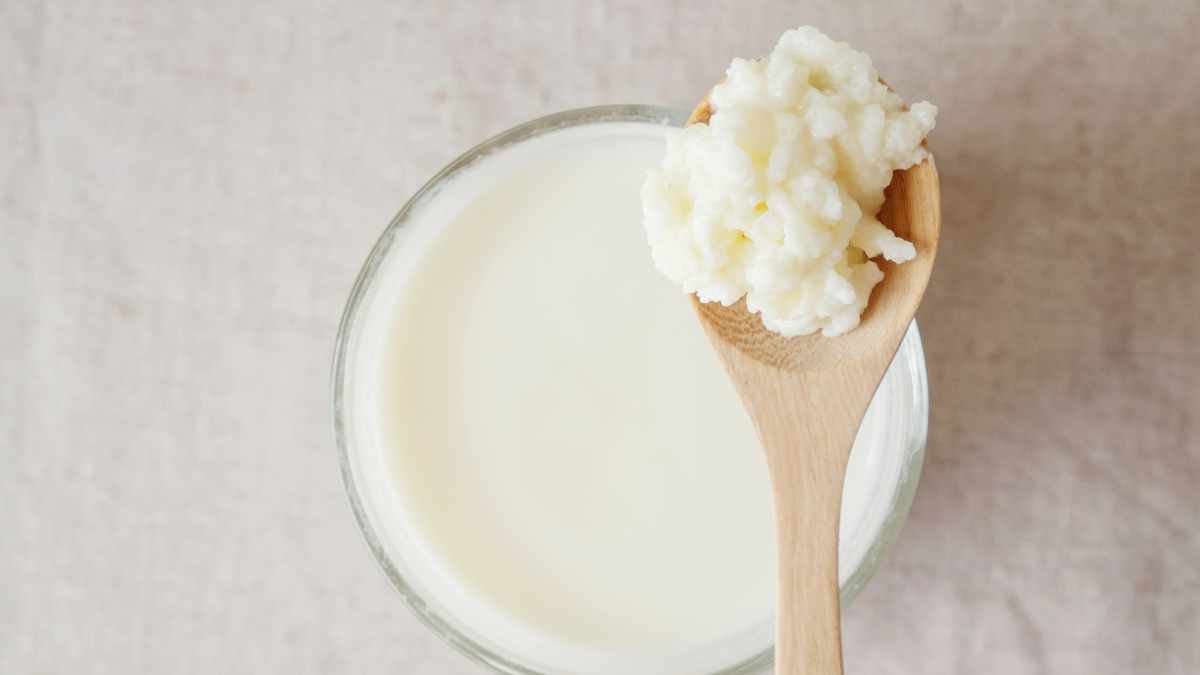
Kefir is a cultured, fermented beverage that originates from the Caucasus Mountains. It is traditionally made using cow’s milk but can also be produced with other types of milk. The fermentation process involves kefir grains, which are a symbiotic culture of bacteria and yeast. These grains ferment the sugars in the milk, resulting in a tangy, slightly effervescent drink rich in probiotics.
The primary microorganisms in kefir grains include Lactobacillus, Lactococcus, and Saccharomyces species. These beneficial bacteria and yeasts contribute to the unique flavor and health benefits of kefir. The fermentation process typically takes 24 to 48 hours at room temperature, during which the milk thickens and develops its characteristic taste.
Kefir is known for its high probiotic content, which can aid in digestion, improve gut health, and boost the immune system. It also contains vitamins, minerals, and proteins that contribute to overall health. The type of milk used can influence the nutritional profile and taste of the final product.
Understanding the fermentation process is crucial for selecting the best milk for kefir production. Different types of milk can affect the activity of kefir grains, the fermentation time, and the final flavor and texture of the kefir. Therefore, choosing the right milk is essential for producing high-quality kefir.
In addition to cow’s milk, kefir can be made using goat’s milk, sheep’s milk, and even plant-based milks. Each type of milk has its own set of characteristics that can influence the fermentation process and the quality of the kefir. In the following sections, we will explore the pros and cons of each type of milk for kefir production.
Key Factors in Choosing Milk for Kefir
When selecting milk for kefir production, several key factors need to be considered. These include the nutritional content, fermentation properties, taste, and availability of the milk. Each of these factors can significantly impact the quality of the kefir.
Nutritional content is one of the most important factors to consider. The milk should provide a good balance of proteins, fats, and carbohydrates to support the growth and activity of the kefir grains. Additionally, the presence of vitamins and minerals can enhance the nutritional profile of the kefir.
Fermentation properties are another critical factor. The milk should have the right composition to support the fermentation process. This includes the presence of lactose, which is the primary sugar that kefir grains ferment. The fermentation process can vary depending on the type of milk used, affecting the final texture and taste of the kefir.
Taste is a subjective but important factor. Different types of milk can impart different flavors to the kefir. Some people prefer the mild taste of cow’s milk kefir, while others may enjoy the tangier flavor of goat’s milk kefir. The choice of milk can also affect the consistency and mouthfeel of the kefir.
Availability and cost are practical considerations. Cow’s milk is widely available and relatively inexpensive, making it a popular choice for kefir production. Goat’s milk, sheep’s milk, and plant-based milks may be more expensive and harder to find, but they can offer unique flavors and nutritional benefits.
The quality of the milk is also crucial. Fresh, high-quality milk will produce better kefir than milk that is old or of poor quality. Organic and grass-fed options may offer additional health benefits and a better taste profile.
Finally, personal preferences and dietary restrictions should be taken into account. Some people may be lactose intolerant or have allergies to certain types of milk. In such cases, plant-based milks can be a viable alternative for kefir production.
Cow’s Milk: Pros and Cons for Kefir
Cow’s milk is the most commonly used milk for kefir production, and for good reason. It is widely available, relatively inexpensive, and has a balanced nutritional profile that supports the fermentation process. Cow’s milk contains lactose, proteins, fats, and various vitamins and minerals that contribute to the growth and activity of kefir grains.
One of the main advantages of using cow’s milk for kefir is its consistency in quality and availability. Whether you choose whole, skim, or low-fat milk, cow’s milk generally provides a reliable base for kefir production. The fermentation process is typically straightforward, and the resulting kefir has a mild, creamy taste that appeals to many people.
However, there are some drawbacks to using cow’s milk for kefir. Some individuals are lactose intolerant or allergic to cow’s milk proteins, which can limit their ability to consume cow’s milk kefir. Additionally, conventional cow’s milk may contain antibiotics and hormones, which can affect the quality of the kefir. Opting for organic or grass-fed cow’s milk can mitigate some of these concerns.
Another consideration is the fat content of cow’s milk. Whole milk kefir is richer and creamier, while skim or low-fat milk kefir is lighter but may lack some of the depth of flavor. The choice of fat content can affect the texture and taste of the kefir, so it’s important to choose according to personal preference.
Cow’s milk kefir is also relatively high in calories compared to kefir made from other types of milk. This can be a concern for those who are watching their calorie intake. However, the high protein content can be beneficial for muscle repair and overall health.
In summary, cow’s milk is a versatile and reliable option for kefir production. It offers a good balance of nutrients, a mild flavor, and is widely available. However, it may not be suitable for everyone due to lactose intolerance, allergies, or dietary preferences.
Goat’s Milk: Benefits and Drawbacks
Goat’s milk is another popular choice for kefir production, offering a unique set of benefits and drawbacks. One of the primary advantages of goat’s milk is its digestibility. Goat’s milk has smaller fat globules and a different protein structure compared to cow’s milk, making it easier for some people to digest. This can be particularly beneficial for individuals with lactose intolerance or sensitive digestive systems.
The nutritional profile of goat’s milk is also noteworthy. It is rich in essential nutrients such as calcium, potassium, and vitamin A. Goat’s milk also contains medium-chain fatty acids, which are easier to metabolize and can provide a quick source of energy. These nutritional benefits can enhance the overall health benefits of kefir.
In terms of fermentation, goat’s milk supports the activity of kefir grains effectively. The fermentation process with goat’s milk is similar to that with cow’s milk, resulting in a tangy, slightly effervescent drink. However, goat’s milk kefir tends to have a more pronounced, tangier flavor compared to cow’s milk kefir. This can be a pro or a con depending on personal taste preferences.
One of the drawbacks of using goat’s milk for kefir is its availability and cost. Goat’s milk is generally more expensive and less widely available than cow’s milk. This can make it a less convenient option for some people. Additionally, the taste of goat’s milk can be more polarizing, with some people finding it too strong or "goaty."
Another consideration is the fat content of goat’s milk. It is naturally homogenized, meaning the cream does not separate from the milk. This can result in a smoother texture for the kefir, but it may also be higher in fat compared to some types of cow’s milk. This can be a concern for those who are watching their fat intake.
In conclusion, goat’s milk offers several benefits for kefir production, including better digestibility and a rich nutritional profile. However, its availability, cost, and distinct taste may be drawbacks for some individuals. It is a good alternative for those who are lactose intolerant or looking for a different flavor profile in their kefir.
Sheep’s Milk: Suitability for Kefir
Sheep’s milk is less commonly used for kefir production but offers a unique set of characteristics that can make it an excellent choice. One of the primary advantages of sheep’s milk is its high nutritional content. Sheep’s milk is rich in proteins, fats, vitamins, and minerals, making it a nutrient-dense option for kefir production.
The high protein content in sheep’s milk supports the growth and activity of kefir grains, resulting in a thick, creamy kefir. The fats in sheep’s milk are also beneficial, providing a rich, smooth texture and a more satisfying mouthfeel. Additionally, sheep’s milk is high in calcium and vitamin D, which can enhance the nutritional profile of the kefir.
In terms of digestibility, sheep’s milk is similar to goat’s milk. It has smaller fat globules and a different protein structure compared to cow’s milk, making it easier for some people to digest. This can be particularly beneficial for individuals with lactose intolerance or sensitive digestive systems.
The fermentation process with sheep’s milk is similar to that with cow’s and goat’s milk. However, sheep’s milk kefir tends to have a richer, creamier texture and a slightly sweeter taste. This can be a pro or a con depending on personal taste preferences. The unique flavor of sheep’s milk kefir can be a delightful change for those looking to try something different.
One of the main drawbacks of using sheep’s milk for kefir is its availability and cost. Sheep’s milk is generally more expensive and less widely available than cow’s or goat’s milk. This can make it a less convenient option for some people. Additionally, the taste of sheep’s milk can be more polarizing, with some people finding it too rich or strong.
In summary, sheep’s milk offers several benefits for kefir production, including a high nutritional content and a rich, creamy texture. However, its availability, cost, and distinct taste may be drawbacks for some individuals. It is a good alternative for those looking for a nutrient-dense and unique flavor profile in their kefir.
Plant-Based Milks: Viability for Kefir
Plant-based milks, such as almond, soy, and coconut milk, are becoming increasingly popular as alternatives to animal milk. These milks can also be used for kefir production, but there are several factors to consider. One of the primary advantages of plant-based milks is that they are suitable for individuals with lactose intolerance, dairy allergies, or those following a vegan diet.
The nutritional content of plant-based milks varies widely depending on the type. For example, almond milk is low in calories and fat but also low in protein, while soy milk is higher in protein and provides a more balanced nutritional profile. Coconut milk is rich in medium-chain fatty acids but can be high in saturated fats. These differences can affect the fermentation process and the final quality of the kefir.
Fermentation with plant-based milks can be more challenging compared to animal milks. Kefir grains thrive on lactose, which is absent in plant-based milks. To compensate, some people add a small amount of sugar or a carbohydrate source to the plant-based milk to support the fermentation process. The resulting kefir may have a different texture and taste compared to traditional milk kefir.
The taste of plant-based milk kefir can vary significantly. Almond milk kefir tends to be light and slightly nutty, while soy milk kefir can have a creamier texture and a more neutral taste. Coconut milk kefir is rich and creamy with a distinct coconut flavor. These variations can be a pro or a con depending on personal taste preferences.
One of the drawbacks of using plant-based milks for kefir is that the kefir grains may not thrive as well over time. Some people find that their kefir grains become less active or produce inconsistent results when used with plant-based milks. It may be necessary to refresh the grains periodically with animal milk to maintain their activity.
In conclusion, plant-based milks offer a viable alternative for kefir production, especially for those with dietary restrictions or preferences. However, the fermentation process can be more challenging, and the resulting kefir may have a different texture and taste compared to traditional milk kefir. It is important to choose a plant-based milk that provides a good balance of nutrients to support the fermentation process.
Conclusion:
Choosing the best milk for kefir production depends on various factors, including nutritional content, fermentation properties, taste, availability, and personal preferences. Cow’s milk is a versatile and reliable option, while goat’s and sheep’s milk offer unique benefits and flavors. Plant-based milks provide a viable alternative for those with dietary restrictions but may require additional considerations for successful fermentation. By understanding the characteristics of each type of milk, you can select the best option to produce high-quality kefir that meets your needs and preferences.
Read More…
- The Benefits of Kefir – A comprehensive overview of the health benefits of kefir.
- Kefir Fermentation Process – A detailed scientific article on the fermentation process of kefir.
- Goat’s Milk vs. Cow’s Milk – A comparison of the nutritional profiles and benefits of goat’s milk and cow’s milk.
- Plant-Based Milks for Kefir – An analysis of the viability of using plant-based milks for kefir production.
- Nutritional Content of Sheep’s Milk – A scientific review of the nutritional content and benefits of sheep’s milk.