
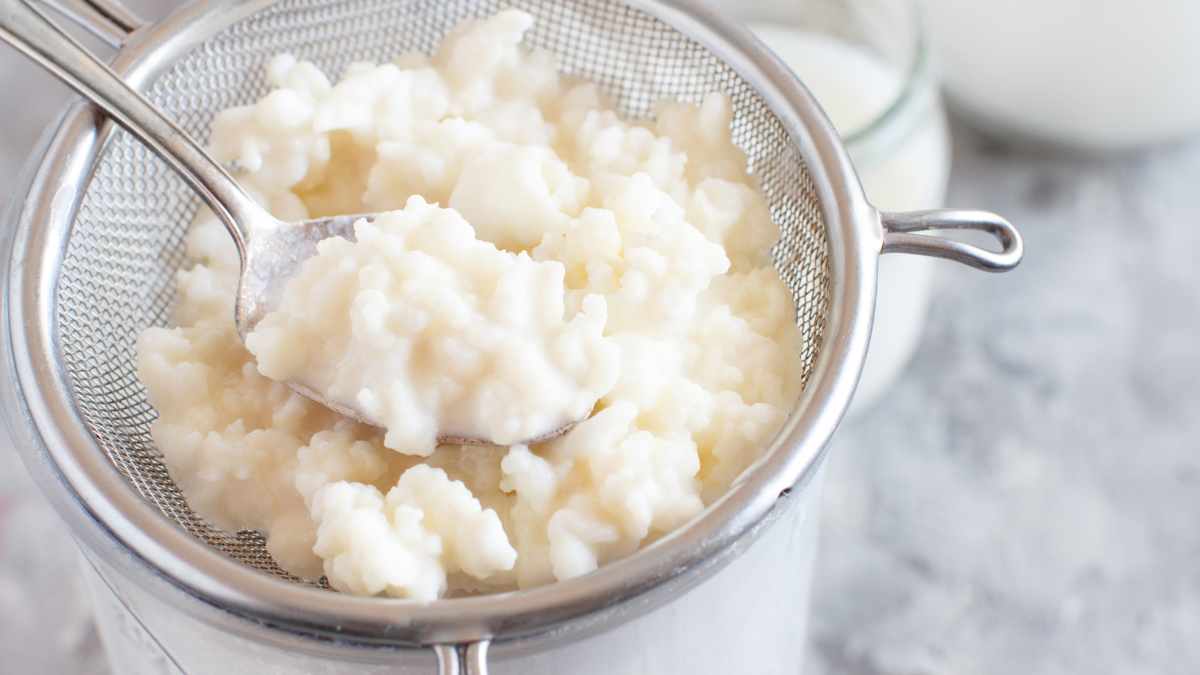

Introduction: Kefir, a fermented milk drink known for its probiotic properties, has been steadily gaining popularity among health-conscious consumers. However, many are left wondering why this seemingly simple beverage often comes with a hefty price tag. In this article, we will delve into the various factors that contribute to the high cost of kefir, examining everything from production processes to market dynamics.
Introduction to Kefir’s Market Pricing
Kefir’s market pricing is influenced by a variety of factors, each contributing to its overall cost. Unlike many other dairy products, kefir undergoes a complex fermentation process that requires specific conditions and time. This not only adds to the production cost but also necessitates specialized equipment and skilled labor.
The demand for high-quality, organic ingredients further drives up the price. Many consumers prefer kefir made from grass-fed cow’s milk or even non-dairy alternatives like coconut or almond milk, which are more expensive to source and produce. Additionally, the use of live cultures and probiotics in kefir production adds another layer of cost, as these ingredients are not only expensive but also require careful handling and storage.
Moreover, kefir is often marketed as a premium health product, which allows producers to set higher prices. The perception of kefir as a beneficial, health-boosting beverage justifies its cost in the eyes of many consumers. This perception is bolstered by marketing efforts and endorsements from health experts, further solidifying its place in the premium segment of the market.
The distribution and supply chain also play a significant role in kefir’s pricing. Transporting a perishable product like kefir requires refrigerated logistics, which adds to the overall cost. Additionally, kefir has a relatively short shelf life, necessitating rapid turnover and efficient distribution channels to minimize losses.
Finally, the regulatory environment can impact kefir prices. Compliance with food safety standards, organic certifications, and other regulatory requirements can add to the production cost. These factors combined create a complex pricing structure that reflects the true cost of bringing high-quality kefir to market.
Factors Influencing Kefir’s High Cost
Numerous factors contribute to the high cost of kefir, making it more expensive than many other dairy products. One of the primary factors is the intricate production process, which involves fermenting milk with a symbiotic culture of bacteria and yeast (SCOBY). This process takes time and requires precise conditions to ensure the final product is safe and of high quality.
The quality of ingredients used in kefir production also significantly impacts its cost. High-quality milk, whether from grass-fed cows or organic sources, is more expensive than conventional milk. Additionally, non-dairy alternatives like coconut or almond milk, often used to cater to lactose-intolerant or vegan consumers, are pricier to source and process.
Labor costs are another significant factor. Producing kefir is labor-intensive, requiring skilled workers to monitor the fermentation process, handle live cultures, and ensure that the product meets quality standards. This specialized labor adds to the overall production cost, which is reflected in the retail price of kefir.
Packaging also plays a role in the cost of kefir. To maintain its probiotic properties and ensure freshness, kefir must be packaged in materials that protect it from light and air. This often involves using high-quality, food-grade packaging materials that are more expensive than those used for other dairy products.
Distribution and logistics further add to the cost. Kefir is a perishable product that requires refrigerated transport and storage. Ensuring that kefir reaches consumers in optimal condition involves additional expenses related to cold chain logistics, which are passed on to the consumer.
Lastly, marketing and branding efforts contribute to kefir’s high cost. Positioning kefir as a premium health product involves significant investment in marketing campaigns, influencer partnerships, and educational initiatives. These efforts help to build consumer awareness and demand but also add to the overall cost structure.
Production Process and Its Expenses
The production process of kefir is a key factor in its high cost. Unlike simple dairy products, kefir undergoes a complex fermentation process that requires time, precision, and expertise. The process begins with the selection of high-quality milk or non-dairy alternatives, which are then inoculated with kefir grains—a symbiotic culture of bacteria and yeast.
Fermentation is a time-consuming process that can take anywhere from 12 to 48 hours, depending on the desired flavor and consistency. During this time, the kefir grains metabolize the lactose in the milk, producing lactic acid, carbon dioxide, and ethanol. This process not only enhances the nutritional profile of the beverage but also imparts its characteristic tangy flavor.
Maintaining the right conditions for fermentation is crucial. Temperature, humidity, and cleanliness must be carefully controlled to ensure the growth of beneficial bacteria while preventing contamination. This requires specialized equipment and facilities, which add to the production cost.
Once fermentation is complete, the kefir grains must be carefully separated from the liquid. This step is labor-intensive and requires skilled workers to ensure that the grains are not damaged and can be reused for future batches. The liquid kefir is then filtered and sometimes flavored before being packaged.
Quality control is another critical aspect of the production process. Each batch of kefir must be tested for microbial content, consistency, and taste to ensure it meets quality standards. This involves laboratory testing and sensory evaluation, both of which add to the overall cost.
Finally, the packaging process must be carefully managed to preserve the probiotic content and freshness of the kefir. This often involves using high-quality, food-grade materials and implementing aseptic packaging techniques, which further increase production expenses.
Quality Ingredients and Their Impact
The quality of ingredients used in kefir production has a significant impact on its cost. High-quality milk, whether from grass-fed cows or organic sources, is more expensive than conventional milk. These premium ingredients are often preferred by consumers who are willing to pay a higher price for a product they perceive as healthier and more sustainable.
Non-dairy alternatives, such as coconut or almond milk, are also more costly to produce. These ingredients cater to lactose-intolerant or vegan consumers, adding another layer of complexity and expense to the production process. Sourcing these alternative milks often involves additional steps and costs, such as importing raw materials and ensuring they meet quality standards.
The use of live cultures and probiotics is another factor driving up the cost of kefir. These ingredients are not only expensive but also require careful handling and storage to maintain their viability. The presence of live cultures is a key selling point for kefir, as they contribute to its health benefits, but they also add to the overall production cost.
In addition to the primary ingredients, the additives and flavorings used in kefir can also impact its cost. Natural flavorings, such as fruit extracts or honey, are more expensive than artificial alternatives. These natural ingredients are often preferred by health-conscious consumers, further driving up the price of the final product.
Sourcing high-quality ingredients often involves working with specialized suppliers who can provide the necessary certifications and quality assurances. This adds another layer of cost, as these suppliers typically charge a premium for their products. Ensuring the traceability and sustainability of these ingredients is also a priority for many kefir producers, adding to the overall expense.
Finally, the cost of ingredients can be influenced by market fluctuations and availability. Seasonal variations, supply chain disruptions, and changes in consumer demand can all impact the price of raw materials, further contributing to the high cost of kefir.
Supply Chain and Distribution Challenges
The supply chain and distribution of kefir present unique challenges that contribute to its high cost. As a perishable product, kefir requires a cold chain logistics system to ensure it remains fresh and safe for consumption. This involves refrigerated transport and storage, which are more expensive than standard logistics solutions.
Maintaining the cold chain from production to retail is crucial for preserving the probiotic content and quality of kefir. Any break in the cold chain can result in spoilage, leading to product losses and increased costs. This necessitates investment in reliable refrigeration equipment and monitoring systems, adding to the overall expense.
Distribution channels for kefir are also more complex compared to other dairy products. Kefir has a relatively short shelf life, requiring rapid turnover and efficient distribution networks to minimize losses. This often involves working with specialized distributors who can handle the unique requirements of perishable goods.
Retailers also play a role in the cost structure of kefir. Stocking and displaying kefir require adequate refrigeration space, which can be limited in many retail environments. This can result in higher placement fees and increased costs for shelf space, which are passed on to the consumer.
The geographic distribution of kefir can also impact its cost. Transporting kefir over long distances increases the risk of spoilage and adds to the logistical complexity. Producers must carefully plan their distribution networks to ensure that kefir reaches consumers in optimal condition, which can involve additional costs related to route planning and logistics management.
Finally, regulatory requirements for the transport and storage of perishable goods add another layer of complexity and cost. Compliance with food safety standards, temperature monitoring, and other regulatory requirements necessitates investment in specialized equipment and processes, further contributing to the high cost of kefir.
Consumer Demand and Market Dynamics
Consumer demand and market dynamics play a significant role in the pricing of kefir. As a health-oriented product, kefir has seen a surge in demand driven by increasing consumer awareness of its probiotic benefits. This growing demand allows producers to set higher prices, as consumers are willing to pay a premium for perceived health benefits.
The positioning of kefir as a premium product also influences its price. Marketing efforts often highlight the health benefits, quality ingredients, and artisanal production methods, creating a perception of value that justifies a higher price point. This premium positioning is reinforced by endorsements from health experts and influencers, further driving consumer willingness to pay more.
Market competition can also impact kefir pricing. While there are several players in the kefir market, the competition is often based on quality and differentiation rather than price. Producers invest in unique formulations, organic certifications, and innovative packaging to stand out in the market, which can drive up costs and, consequently, prices.
Consumer preferences for organic and non-GMO products also influence kefir pricing. Meeting these preferences involves additional costs related to sourcing certified ingredients, adhering to organic farming practices, and obtaining necessary certifications. These costs are reflected in the retail price of kefir, as consumers are willing to pay more for products that align with their values.
The rise of e-commerce and direct-to-consumer sales channels has also impacted kefir pricing. While these channels offer opportunities for producers to reach a broader audience, they also involve additional costs related to packaging, shipping, and customer service. These expenses are often passed on to the consumer, contributing to the overall cost of kefir.
Finally, economic factors such as inflation, changes in disposable income, and shifts in consumer spending habits can influence kefir pricing. Producers must navigate these market dynamics while maintaining profitability, which can result in price adjustments to reflect changing economic conditions.
Conclusion: The high cost of kefir is the result of a complex interplay of factors, including the intricate production process, the use of high-quality ingredients, supply chain and distribution challenges, and market dynamics. Each of these elements contributes to the overall expense of producing and bringing kefir to market. While kefir may be more expensive than other dairy products, its perceived health benefits, premium positioning, and consumer demand justify its price for many.
Read More…
- Kefir: The Benefits and Risks of This Probiotic Drink – Healthline provides an in-depth look at the health benefits and potential risks associated with kefir consumption.
- The Complex Process of Making Kefir – Kefir.net offers a detailed guide on the fermentation process and the steps involved in making kefir at home.
- Why Organic Ingredients Matter – Organic Facts explores the benefits and costs associated with using organic ingredients in food production.
- Cold Chain Logistics for Perishable Goods – Food Logistics discusses the importance of cold chain logistics in the food industry and its impact on product pricing.
- Consumer Trends in Health Foods – Nielsen provides insights into global consumer trends in health and wellness, including the rising demand for probiotic products like kefir.