

Introduction:
The ketogenic diet has gained immense popularity as a weight-loss strategy and a potential therapeutic approach for various health conditions. This high-fat, low-carbohydrate diet aims to shift the body’s metabolism from burning glucose to burning fat for energy. One of the most common questions that arise for those following this diet is whether certain fruits, particularly bananas, fit into a ketogenic lifestyle. This article explores the compatibility of bananas with a ketogenic diet by examining their nutritional profile, glycemic index, and potential impacts on ketosis.
Understanding the Ketogenic Diet and Its Macronutrient Limits
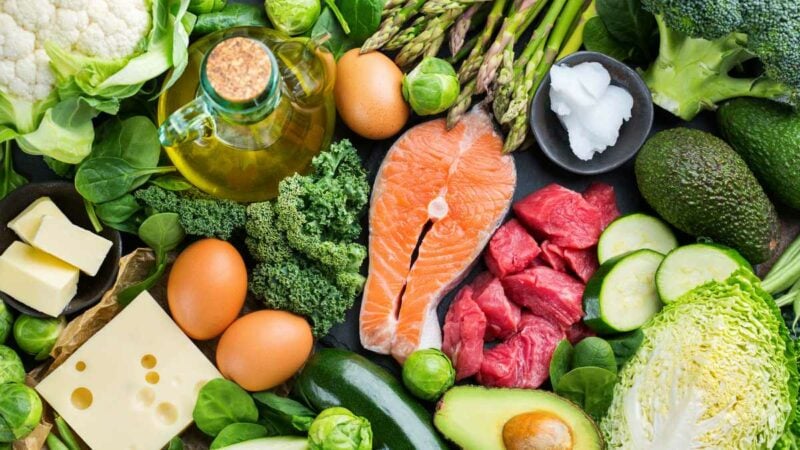
The ketogenic diet typically consists of approximately 70-75% fat, 20-25% protein, and only 5-10% carbohydrates. These macronutrient ratios are designed to induce a metabolic state known as ketosis, where the body becomes highly efficient at burning fat for fuel. Achieving and maintaining ketosis requires careful monitoring of carbohydrate intake, as exceeding the daily limit can hinder the process. For most individuals, this limit is generally around 20-50 grams of net carbohydrates per day.
In this context, fruits often raise concerns due to their natural sugar content. While fruits are a vital source of vitamins, minerals, and fiber, their carbohydrate content can significantly impact ketosis. Therefore, individuals on a ketogenic diet must choose their food sources wisely, prioritizing those that are low in carbohydrates while still providing essential nutrients. This necessitates a deeper understanding of the carbohydrate content in various fruits, including bananas.
Bananas, in particular, are often viewed with skepticism among keto dieters. Their sweet taste and creamy texture make them a popular snack, but they are also known for their relatively high carbohydrate content. As such, it is crucial to assess whether the nutritional benefits of bananas can outweigh their potential drawbacks in the context of a ketogenic diet.
Ultimately, the decision to include bananas in a ketogenic diet hinges on individual goals, carbohydrate tolerance, and overall dietary preferences. By understanding the macronutrient limits of the ketogenic diet, one can make informed choices about including or excluding certain foods, including bananas.
Nutritional Profile of Bananas: Carbohydrates and Fiber Content
A medium-sized banana contains approximately 27 grams of carbohydrates, which is a significant portion of the daily carbohydrate limit for someone on a ketogenic diet. Out of these carbohydrates, around 3 grams come from dietary fiber, leaving about 24 grams of net carbohydrates. This high net carbohydrate content makes bananas one of the more carbohydrate-dense fruits, which can pose challenges for those striving to maintain ketosis.
In addition to carbohydrates, bananas are rich in several essential nutrients, including potassium, vitamin C, and vitamin B6. Potassium is particularly noteworthy, as it plays a crucial role in maintaining fluid balance and muscle function. However, the benefits of these nutrients must be weighed against the carbohydrate content when considering bananas as part of a ketogenic diet.
The fiber in bananas can contribute to digestive health, but the overall carbohydrate load may still exceed the limits set by the ketogenic diet. Therefore, individuals must consider whether the nutritional benefits of bananas justify their inclusion in a low-carb meal plan. For those who are strict about their carbohydrate intake, even the fiber in bananas may not be enough to offset the high net carbohydrate count.
In summary, while bananas offer a range of nutrients, their carbohydrate content is a critical factor for those following a ketogenic diet. Understanding the nutritional profile of bananas helps individuals make informed decisions about their dietary choices and whether to include this fruit in their meal plans.
Assessing the Glycemic Index of Bananas in Keto Context
The glycemic index (GI) is a measure of how quickly a food raises blood sugar levels after consumption. Foods with a high GI can cause rapid spikes in blood sugar, which is particularly concerning for individuals on a ketogenic diet, as stable blood sugar levels are essential for maintaining ketosis. Bananas have a moderate glycemic index, typically ranging from 51 to 62 depending on their ripeness.
The ripeness of a banana plays a significant role in its glycemic index; riper bananas tend to have a higher GI due to the increased sugar content. This means that consuming a ripe banana can lead to a more pronounced increase in blood sugar levels compared to an unripe banana. For those on a ketogenic diet, it is crucial to consider not only the carbohydrate content but also how quickly those carbohydrates will affect blood sugar levels.
In the context of a ketogenic diet, consuming foods with a low glycemic index is generally preferred. Low-GI foods help maintain stable blood sugar levels and support the body’s ability to remain in ketosis. Given that bananas have a moderate GI, they may not be the best choice for individuals who are particularly sensitive to changes in blood sugar or who are striving to maintain a strict ketogenic state.
Ultimately, the glycemic index of bananas suggests that while they may provide some nutritional benefits, their potential to disrupt ketosis and affect blood sugar levels makes them a less-than-ideal option for those adhering to a ketogenic diet.
Potential Impact of Bananas on Ketosis and Blood Sugar Levels
Incorporating bananas into a ketogenic diet can potentially disrupt the state of ketosis due to their high carbohydrate content and moderate glycemic index. For individuals who are strict about their carbohydrate intake, even a single medium banana could consume a significant portion of their daily carbohydrate allowance, making it challenging to stay within the recommended limits.
The consumption of bananas can lead to fluctuations in blood sugar levels. For those who are insulin-sensitive, this may not pose a significant issue; however, for individuals who struggle with blood sugar regulation, even moderate amounts of carbohydrates can lead to undesirable spikes. These fluctuations can hinder the body’s ability to maintain ketosis, as the presence of glucose in the bloodstream signals the body to switch back to burning carbohydrates for fuel.
Moreover, the impact of bananas on ketosis can vary from person to person. Factors such as individual metabolic rates, activity levels, and overall dietary composition can influence how the body responds to carbohydrate intake. Some individuals may find that they can include small amounts of bananas without disrupting their ketosis, while others may need to avoid them entirely.
In conclusion, while bananas can provide certain nutritional benefits, their potential to impact ketosis and blood sugar levels makes them a food that requires careful consideration for those following a ketogenic diet. Understanding one’s own body and how it reacts to different foods is essential for making informed dietary choices.
Alternatives to Bananas for a Keto-Friendly Diet Plan
For those seeking alternatives to bananas that align more closely with ketogenic principles, several low-carbohydrate fruits can be considered. Berries, such as strawberries, raspberries, and blackberries, are excellent options due to their lower carbohydrate content and higher fiber levels. These fruits can provide the sweetness and flavor that many people crave without significantly impacting blood sugar levels or ketosis.
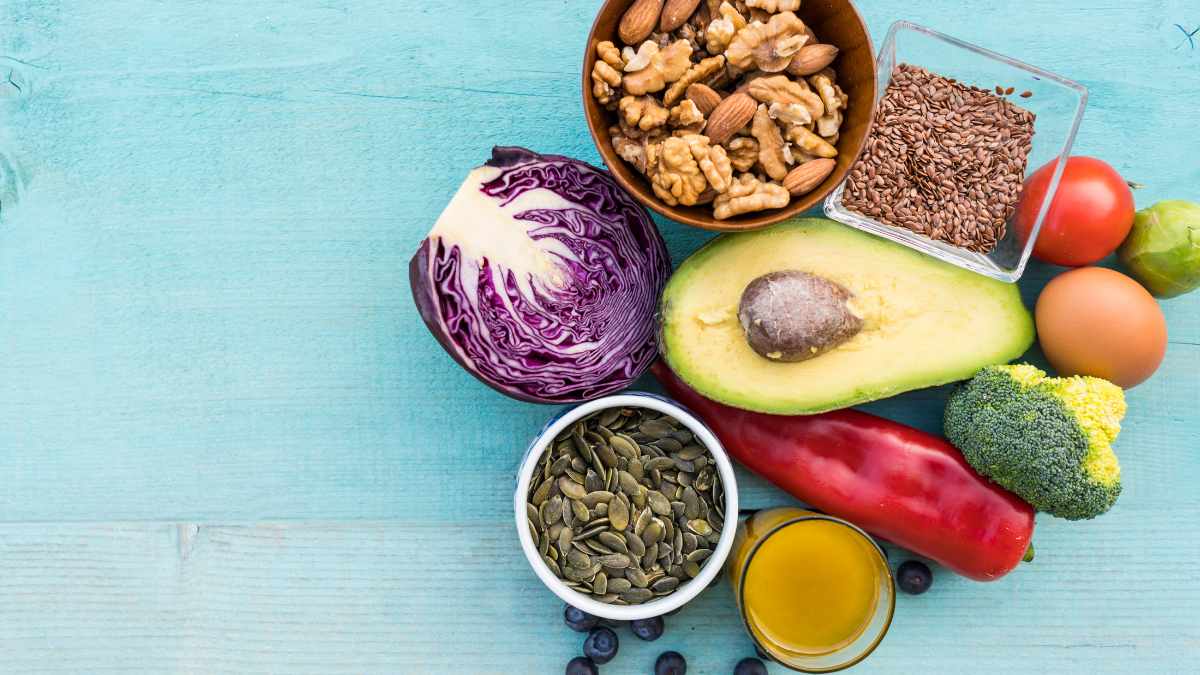
Another viable alternative is avocado, which is not only low in carbohydrates but also high in healthy fats. Avocado can be used in various dishes, from salads to smoothies, and provides a creamy texture similar to that of bananas. The high fat content of avocados makes them a perfect fit for a ketogenic diet, offering both satiety and nutritional benefits.
Coconut is another fruit that can be incorporated into a ketogenic diet. Whether consumed as coconut milk, coconut oil, or shredded coconut, this tropical fruit is low in carbohydrates and high in healthy fats. Coconut products can add flavor and texture to various dishes while keeping carbohydrate intake in check.
Lastly, nuts and seeds can serve as satisfying snacks or additions to meals. Almonds, walnuts, and chia seeds are low in carbohydrates and high in healthy fats, making them excellent choices for those on a ketogenic diet. These alternatives can help satisfy cravings for sweetness or texture without compromising the principles of a low-carb lifestyle.
Conclusion: Balancing Enjoyment and Ketogenic Principles
In summary, while bananas offer several nutritional benefits, their high carbohydrate content and moderate glycemic index make them a challenging fit for a ketogenic diet. Individuals must weigh the potential impact on ketosis and blood sugar levels against the enjoyment and nutritional value that bananas provide. For those who are strict about their carbohydrate intake, it may be best to explore alternative fruits and snacks that align more closely with ketogenic principles.
Ultimately, the key to a successful ketogenic diet lies in balance and mindfulness. By understanding the nutritional profiles of various foods and making informed choices, individuals can enjoy a diverse and satisfying diet while still adhering to their ketogenic goals. Whether one chooses to include bananas or opt for lower-carb alternatives, the focus should always be on maintaining overall health and well-being.
Read more:
- Keto Diet Basics – An overview of the ketogenic diet, its principles, and benefits.
- Nutritional Information for Bananas – Detailed nutritional profile of bananas from the USDA FoodData Central.
- Glycemic Index of Common Foods – A comprehensive resource for understanding the glycemic index of various foods.
- Low-Carb Fruit Options – A guide to fruits that fit within a low-carb diet, including alternatives to bananas.
- Impact of Carbohydrates on Ketosis – A scientific exploration of how carbohydrate intake affects ketosis and metabolic health.