

Introduction:
The ketogenic diet, commonly known as the keto diet, has gained immense popularity for its potential benefits in weight loss and metabolic health. This high-fat, low-carbohydrate eating plan encourages the body to enter a state of ketosis, where it burns fat for fuel instead of carbohydrates. As individuals navigate their food choices on this diet, questions often arise about the compatibility of various foods, including cucumbers. This article aims to explore the relationship between cucumbers and the principles of the keto diet, examining their nutritional profile, carbohydrate content, health benefits, and practical ways to incorporate them into keto meals.
Understanding the Keto Diet: Principles and Guidelines
The ketogenic diet is fundamentally based on reducing carbohydrate intake to a minimum, typically around 20 to 50 grams per day. This significant reduction in carbohydrates forces the body to utilize fat as its primary energy source. The macronutrient composition of a standard keto diet generally consists of approximately 70-80% fat, 15-25% protein, and only 5-10% carbohydrates. This shift in metabolism can lead to various health benefits, such as improved blood sugar control, enhanced mental clarity, and increased fat loss.
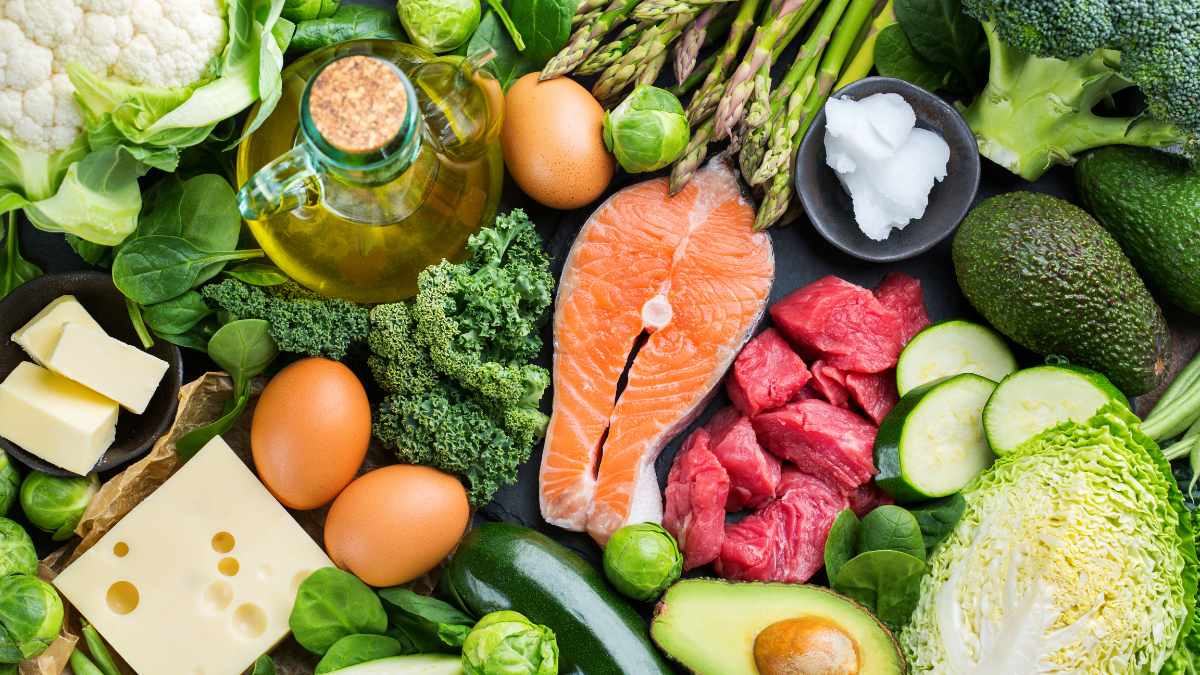
To successfully adhere to a keto diet, individuals must prioritize foods that are high in healthy fats and low in carbohydrates. This includes avocados, nuts, seeds, fatty fish, and non-starchy vegetables. Understanding which foods fit into this framework is crucial for maintaining ketosis and achieving desired health outcomes. Additionally, meal planning and preparation play vital roles in ensuring that individuals remain on track with their dietary goals.
While the keto diet can be effective for many, it is essential to approach it with caution. Some individuals may experience side effects, commonly referred to as the "keto flu," during the initial transition period. Symptoms may include fatigue, irritability, and digestive issues. To mitigate these effects, it is recommended to gradually reduce carbohydrate intake and ensure adequate hydration and electrolyte balance.
Ultimately, the success of the keto diet hinges on individual preferences and lifestyle choices. It is not a one-size-fits-all approach, and some may find it more challenging to adhere to than others. Understanding personal dietary needs and preferences is vital for long-term sustainability and health.
Nutritional Profile of Cucumbers: A Detailed Analysis
Cucumbers are a popular vegetable known for their refreshing taste and high water content. They are composed of approximately 95% water, making them an excellent choice for hydration. In terms of nutrition, cucumbers are low in calories, with about 16 calories per 100 grams. This makes them an appealing option for those looking to manage their weight while still enjoying a variety of foods.
In addition to their low calorie count, cucumbers provide several essential nutrients. They are a good source of vitamin K, which plays a crucial role in bone health and blood clotting. Cucumbers also contain small amounts of vitamin C, potassium, and magnesium, contributing to overall health and wellness. Furthermore, they are rich in antioxidants, which help combat oxidative stress and inflammation in the body.
Another notable aspect of cucumbers is their fiber content. While they are not particularly high in fiber compared to other vegetables, the fiber they do contain can aid in digestion and promote a feeling of fullness. This can be beneficial for individuals on a keto diet, as maintaining satiety is important when consuming fewer calories overall.
Overall, cucumbers are a nutrient-dense food that can complement a balanced diet. Their versatility allows them to be enjoyed in various forms, whether raw, pickled, or blended into smoothies. Understanding their nutritional profile can help individuals make informed choices about incorporating them into their meals.
Carbohydrate Content in Cucumbers: A Keto Perspective
When evaluating the suitability of cucumbers for a ketogenic diet, the carbohydrate content is a primary concern. Cucumbers are classified as a non-starchy vegetable, which means they contain significantly fewer carbohydrates than starchy vegetables like potatoes or corn. Specifically, a 100-gram serving of cucumber contains about 3.6 grams of carbohydrates, of which approximately 0.5 grams are dietary fiber. This results in a net carbohydrate count of roughly 3.1 grams per 100 grams, making cucumbers an excellent option for those monitoring their carb intake.
The low carbohydrate content of cucumbers allows for greater flexibility in meal planning for individuals on a keto diet. They can be consumed in larger quantities without significantly impacting daily carbohydrate limits. This makes cucumbers an ideal choice for salads, snacks, and side dishes, providing bulk and hydration without adding excessive carbs.
Moreover, the low glycemic index of cucumbers means they have minimal impact on blood sugar levels. This is particularly beneficial for individuals with insulin resistance or those looking to maintain stable energy levels throughout the day. Including foods with a low glycemic index can help support overall metabolic health, which is a key principle of the ketogenic diet.
In summary, the carbohydrate content of cucumbers aligns well with the requirements of a ketogenic diet. Their low net carbs and minimal impact on blood sugar make them a keto-friendly vegetable that can be enjoyed in various culinary applications.
Health Benefits of Cucumbers in a Keto Diet Context
Incorporating cucumbers into a ketogenic diet can offer several health benefits. One of the most significant advantages is their high water content, which helps maintain hydration. Staying hydrated is crucial for individuals on a keto diet, as the body tends to excrete more water and electrolytes during the initial stages of ketosis. Consuming hydrating foods like cucumbers can assist in meeting daily fluid needs and preventing dehydration.
Cucumbers are also rich in antioxidants, such as flavonoids and tannins. These compounds help combat oxidative stress and inflammation, which are linked to various chronic diseases. By including antioxidant-rich foods in a keto diet, individuals can support their overall health and reduce the risk of developing conditions such as heart disease and diabetes.
Furthermore, the fiber content in cucumbers, although modest, can aid in digestion and promote gut health. A healthy gut microbiome is essential for overall well-being and can influence weight management, metabolism, and immune function. Including fiber-rich foods, even in small amounts, can contribute to a balanced diet and support digestive health.
Lastly, cucumbers can add variety and flavor to meals without significantly increasing calorie or carbohydrate intake. This can help prevent dietary monotony, making it easier for individuals to adhere to their keto diet long-term. The versatility of cucumbers allows them to be used in salads, smoothies, soups, and as a crunchy snack, enhancing the overall eating experience.
Comparing Cucumbers with Other Keto-Friendly Vegetables
When considering vegetables suitable for a ketogenic diet, it is essential to compare their nutritional profiles and carbohydrate contents. Cucumbers stand out as a low-carb option, but how do they measure up against other keto-friendly vegetables? For example, leafy greens like spinach and kale are also low in carbohydrates and high in nutrients. However, cucumbers offer a unique advantage due to their high water content, making them an excellent choice for hydration.
Other non-starchy vegetables, such as zucchini, bell peppers, and broccoli, are also popular among those following a keto diet. While these vegetables provide various vitamins and minerals, they may contain slightly higher carbohydrate levels than cucumbers. For instance, a 100-gram serving of zucchini contains about 3.1 grams of carbohydrates, while bell peppers have around 6 grams. This means that cucumbers can be consumed in larger portions without exceeding daily carb limits.
In terms of culinary versatility, cucumbers can be used in various dishes, from salads and salsas to smoothies and pickles. This adaptability allows for creative meal preparation, making it easier to incorporate them into a diverse range of recipes. In contrast, while other keto-friendly vegetables are also versatile, they may not provide the same refreshing crunch that cucumbers do.
Ultimately, the choice of vegetables in a keto diet should be based on personal preferences, nutritional needs, and culinary creativity. Cucumbers, with their low carbohydrate content and hydrating properties, are an excellent addition to the keto vegetable repertoire, complementing other low-carb options effectively.
Practical Tips for Incorporating Cucumbers into Keto Meals
Incorporating cucumbers into a ketogenic meal plan can be both simple and enjoyable. One of the easiest ways to enjoy cucumbers is by adding them to salads. They can be sliced or diced and combined with other keto-friendly ingredients like leafy greens, avocados, olives, and feta cheese. A drizzle of olive oil and vinegar can enhance the flavors while keeping the meal within keto guidelines.
Another practical tip is to use cucumbers as a base for dips and spreads. For instance, cucumber slices can serve as a low-carb alternative to crackers or chips when paired with guacamole, hummus, or tzatziki sauce. This not only adds a refreshing crunch but also contributes to the overall nutrient density of the snack.
Cucumbers can also be blended into smoothies for added hydration and nutrients. Combining cucumbers with spinach, avocado, and a low-carb protein source can create a delicious and filling smoothie that aligns with keto principles. The mild flavor of cucumbers allows them to blend seamlessly with other ingredients without overpowering the taste.
Lastly, pickling cucumbers can be a fun and flavorful way to preserve them. Homemade pickles can be made with vinegar, herbs, and spices, providing a tangy and crunchy addition to meals. Pickled cucumbers can be enjoyed as a side dish, condiment, or snack, making them a versatile option for those on a keto diet.
Conclusions:
In conclusion, cucumbers are a highly suitable vegetable for those following a ketogenic diet. Their low carbohydrate content, high water content, and nutritional benefits make them an excellent choice for adding variety and flavor to meals. By understanding their role in the keto framework and exploring creative ways to incorporate them into daily meals, individuals can enhance their dietary experience while maintaining their health goals.
Read more:
-
Healthline – The Ketogenic Diet: A Detailed Beginner’s Guide – This comprehensive guide explains the principles of the ketogenic diet, including its benefits and potential drawbacks.
-
NutritionData – Cucumber Nutrition Facts – A detailed nutritional profile of cucumbers, including their macronutrient and micronutrient content.
-
KetoDiet Blog – 10 Best Low-Carb Vegetables – An overview of various low-carb vegetables suitable for a keto diet, including comparisons of their carbohydrate content.
-
Medical News Today – Health Benefits of Cucumbers – An article discussing the health benefits of cucumbers, including their antioxidant properties and hydration benefits.
-
Verywell Fit – How to Make a Keto-Friendly Salad – Practical tips for creating delicious and satisfying salads that fit within a ketogenic diet, featuring cucumbers as a key ingredient.