
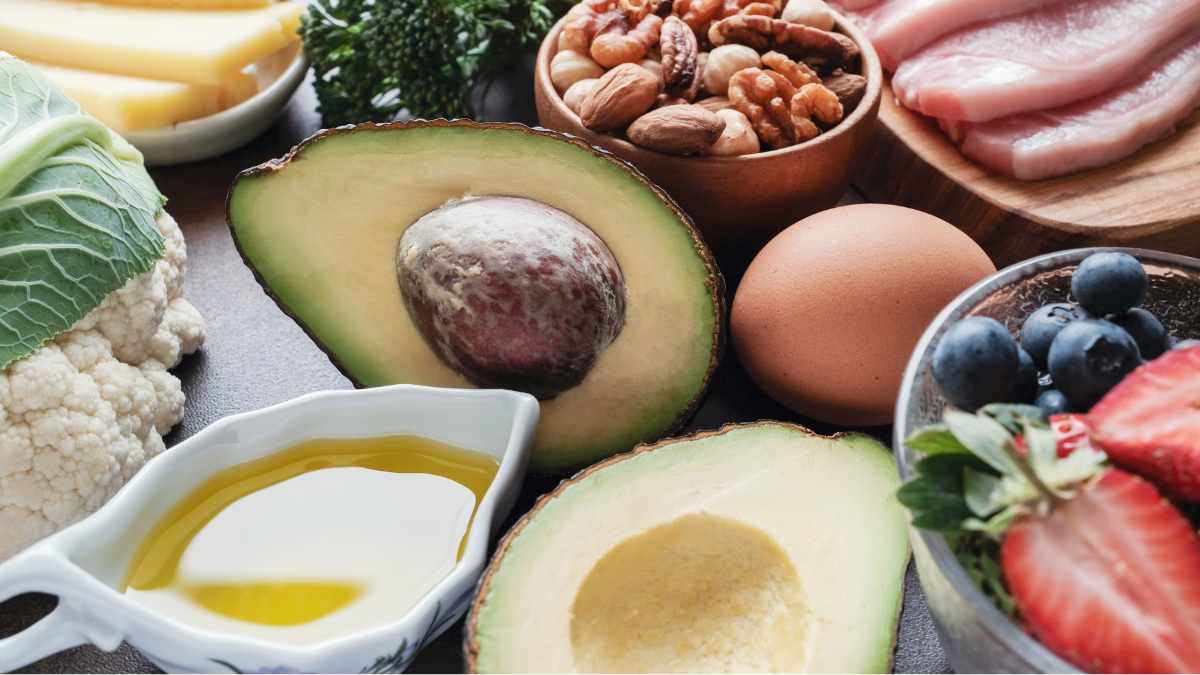

Introduction:
The ketogenic diet, commonly referred to as the keto diet, has gained significant popularity in recent years as a weight-loss strategy and a means to improve overall health. This high-fat, low-carbohydrate diet aims to shift the body’s primary energy source from carbohydrates to fats, leading to a metabolic state known as ketosis. However, one of the most frequently debated topics among keto enthusiasts is the inclusion of certain foods, particularly starchy vegetables like potatoes. This article delves into the compatibility of potatoes with the principles of the ketogenic diet, exploring their nutritional composition, carbohydrate content, and potential health implications.
Understanding the Ketogenic Diet and Its Principles
The ketogenic diet is characterized by a drastic reduction in carbohydrate intake, typically to less than 50 grams per day, while increasing fat consumption to about 70-80% of total daily calories. This significant shift in macronutrient ratios forces the body to enter a state of ketosis, where it begins to burn fat for fuel instead of glucose derived from carbohydrates. The primary goal of this diet is to promote weight loss, enhance mental clarity, and improve metabolic health.
In addition to weight loss, the ketogenic diet has been studied for its potential therapeutic effects on various medical conditions, including epilepsy, type 2 diabetes, and certain neurological disorders. The diet’s emphasis on whole, unprocessed foods, such as meats, fish, eggs, nuts, seeds, and low-carb vegetables, aligns with many health guidelines promoting nutrient-dense eating patterns.
Despite its benefits, the ketogenic diet can be challenging to maintain due to its restrictive nature. Many individuals find it difficult to navigate social situations or dining out, leading to questions about the inclusion of various foods, especially those that are traditionally considered healthy, like potatoes. Understanding the nutritional implications of these foods is essential for anyone considering or currently following a keto lifestyle.
Ultimately, the success of the ketogenic diet hinges on individual adherence and the ability to make informed food choices. As such, it is crucial to evaluate the compatibility of various foods, including potatoes, with the diet’s core principles.
Nutritional Composition of Potatoes: A Detailed Analysis
Potatoes are a staple food in many cultures, known for their versatility and nutritional value. A medium-sized potato (about 150 grams) contains approximately 130 calories, 30 grams of carbohydrates, 2 grams of protein, and negligible fat. Additionally, potatoes are a good source of vitamins and minerals, including vitamin C, vitamin B6, potassium, and dietary fiber.
One of the most notable aspects of potatoes is their high carbohydrate content, primarily in the form of starch. This starch is quickly converted into glucose in the body, leading to spikes in blood sugar levels. For individuals following a ketogenic diet, this rapid conversion can hinder the attainment of ketosis, making potatoes a less favorable option.
Moreover, potatoes contain resistant starch, a type of carbohydrate that resists digestion in the small intestine and can have beneficial effects on gut health. However, the presence of resistant starch does not negate the overall carbohydrate load, which remains a significant concern for those adhering to strict low-carb guidelines.
In summary, while potatoes offer a range of nutrients and health benefits, their high carbohydrate content poses challenges for individuals following a ketogenic diet. Understanding this nutritional composition is essential for making informed dietary choices.
Carbohydrate Content in Potatoes: A Keto Perspective
When evaluating the carbohydrate content of potatoes from a ketogenic perspective, it is essential to consider both the total carbohydrate count and the net carbohydrates. Net carbohydrates are calculated by subtracting fiber content from total carbohydrates, as fiber is not digested and does not impact blood sugar levels.
A medium potato contains around 30 grams of total carbohydrates, with about 2 grams of fiber, resulting in approximately 28 grams of net carbohydrates. This amount significantly exceeds the daily carbohydrate limit for most individuals on a ketogenic diet, which typically ranges from 20 to 50 grams. As a result, consuming even a small portion of potatoes can quickly consume a substantial portion of one’s daily carbohydrate allowance.
Furthermore, the glycemic index (GI) of potatoes is relatively high, meaning they can cause a rapid increase in blood glucose levels. This effect can be particularly detrimental for those aiming to maintain stable blood sugar levels and achieve ketosis. In contrast, many low-carb vegetables, such as leafy greens, broccoli, and cauliflower, have a much lower carbohydrate content and glycemic index, making them more suitable for a ketogenic diet.
In conclusion, the carbohydrate content of potatoes presents a significant challenge for those adhering to a ketogenic lifestyle. The high net carbohydrate count and glycemic index make them a less-than-ideal choice for individuals seeking to maintain ketosis.
Comparing Potatoes to Other Low-Carb Vegetables
When considering alternatives to potatoes for a ketogenic diet, it is essential to compare their nutritional profiles with those of other low-carb vegetables. Many vegetables provide essential vitamins and minerals while being low in carbohydrates, making them more compatible with the principles of the ketogenic diet.
For instance, leafy greens such as spinach, kale, and arugula are excellent choices, offering minimal carbohydrates and a wealth of nutrients. A cup of spinach contains only about 1 gram of carbohydrates, making it an ideal option for those looking to increase their vegetable intake without exceeding their carb limits. Similarly, cruciferous vegetables like broccoli and cauliflower are also low in carbohydrates and can be used as substitutes for starchy foods in various recipes.
Moreover, non-starchy vegetables like zucchini, bell peppers, and asparagus provide essential nutrients while keeping carbohydrate intake low. These vegetables can be incorporated into a variety of dishes, offering versatility without compromising the ketogenic diet’s principles.
In contrast, potatoes, with their high carbohydrate content, lack the nutrient density and low-carb benefits found in many other vegetables. For individuals following a ketogenic diet, prioritizing low-carb vegetables over starchy options like potatoes can help maintain ketosis while ensuring adequate nutrient intake.
Potential Health Implications of Potatoes on Keto
The inclusion of potatoes in a ketogenic diet may have several health implications that warrant consideration. First and foremost, the high carbohydrate content of potatoes can disrupt the metabolic state of ketosis, making it challenging for individuals to achieve their weight loss or health goals. This disruption can lead to frustration and potential abandonment of the diet altogether.
Additionally, the consumption of high-GI foods like potatoes can contribute to insulin resistance over time. For individuals already at risk for metabolic disorders, such as type 2 diabetes, the inclusion of starchy foods may exacerbate existing health issues. Maintaining stable blood sugar levels is crucial for overall health, and the rapid glucose spikes associated with potato consumption can undermine this goal.
On the other hand, some studies suggest that the resistant starch found in potatoes may have beneficial effects on gut health and satiety. However, the overall carbohydrate load still poses a significant challenge for those on a ketogenic diet. Therefore, while there may be some potential benefits, they do not outweigh the drawbacks of including potatoes in a low-carb eating plan.
In summary, the potential health implications of consuming potatoes while following a ketogenic diet are largely negative. The high carbohydrate content and glycemic index can hinder weight loss efforts and contribute to metabolic issues, making it advisable for individuals on a keto diet to avoid potatoes.
Conclusions:
In conclusion, while potatoes are a nutritious food source, their high carbohydrate content and glycemic index render them incompatible with the principles of a ketogenic diet. The significant carbohydrate load can impede the attainment of ketosis and may lead to negative health implications for individuals seeking to maintain stable blood sugar levels. Instead, opting for low-carb vegetables that provide essential nutrients without compromising dietary goals is a more favorable approach for those adhering to a ketogenic lifestyle.
Read more
- Keto Diet Basics – A comprehensive overview of the ketogenic diet, its principles, and potential benefits.
- Nutritional Composition of Potatoes – The USDA FoodData Central provides detailed nutritional information on various foods, including potatoes.
- Low-Carb Vegetables – A guide to the best low-carb vegetables suitable for a ketogenic diet.
- Glycemic Index of Foods – A resource for understanding the glycemic index of various foods, including potatoes.
- Health Implications of High-Carb Foods – A study discussing the health implications of consuming high-carbohydrate foods and their effects on metabolic health.