
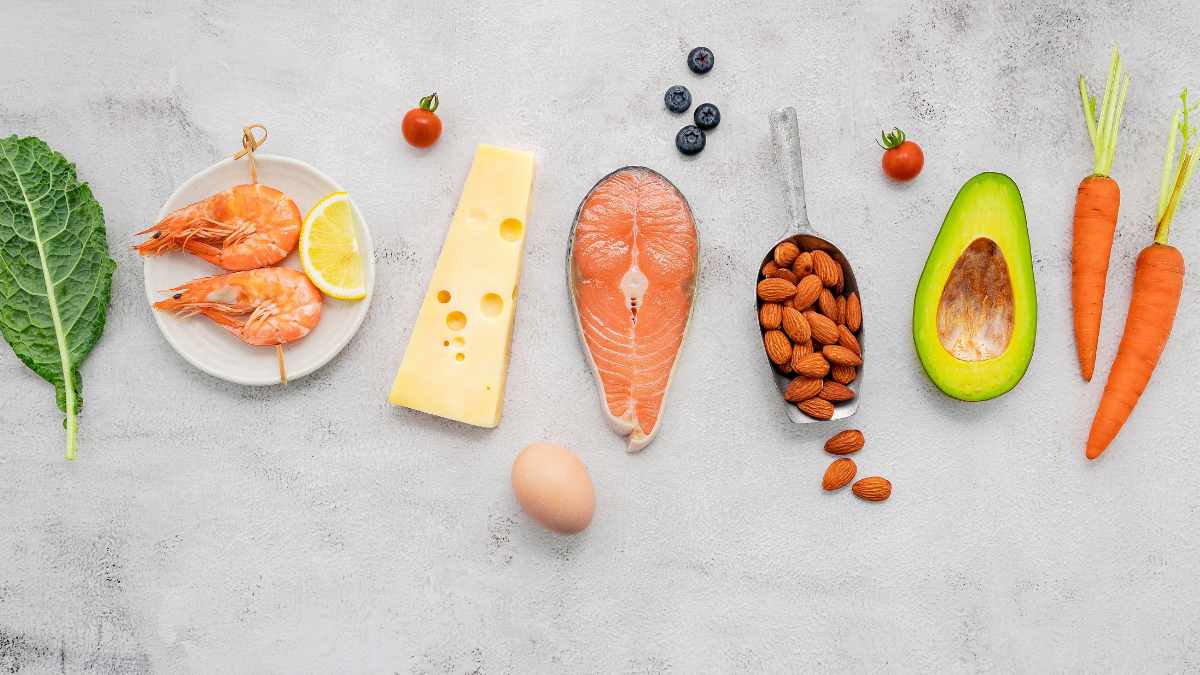

Introduction:
The ketogenic diet, often referred to as keto, has gained immense popularity for its potential benefits in weight loss and overall health. This low-carbohydrate, high-fat diet encourages the body to enter a state of ketosis, where it burns fat for fuel instead of carbohydrates. One food item that frequently comes up in discussions about the keto diet is the avocado. Known for its creamy texture and rich flavor, avocados are often touted as a superfood. However, many people wonder if they can enjoy an entire avocado while adhering to the strict carbohydrate limits of a ketogenic lifestyle. This article will delve into the nutritional principles of the keto diet, the nutritional profile of avocados, and how to effectively incorporate this fruit into your meal plan.
Understanding the Keto Diet and Its Nutritional Principles
The ketogenic diet is fundamentally about reducing carbohydrate intake to a minimum, typically around 20 to 50 grams per day, while increasing fat consumption to about 70-80% of total daily calories. This shift in macronutrient ratios forces the body to use fat as its primary energy source, leading to the production of ketones in the liver. The key to successfully following a keto diet lies in understanding how different foods impact blood sugar levels and insulin response.
In addition to low carbohydrate intake, the keto diet emphasizes moderate protein consumption, usually around 20-25% of total calories. This balance is crucial because too much protein can be converted into glucose through a process called gluconeogenesis, potentially disrupting ketosis. Therefore, individuals on a keto diet must choose their food sources wisely, focusing on nutrient-dense options that provide essential vitamins and minerals.
Another critical aspect of the ketogenic diet is the importance of healthy fats. Not all fats are created equal; the diet encourages the consumption of unsaturated fats found in foods like olive oil, nuts, seeds, and avocados, while limiting saturated fats and trans fats. This approach not only aids in maintaining ketosis but also supports overall cardiovascular health.
Ultimately, understanding the nutritional principles of the keto diet is essential for making informed choices about food consumption. This knowledge helps individuals navigate their dietary options, ensuring they remain in ketosis while enjoying a variety of foods, including avocados.
Nutritional Profile of Avocado: Key Components Explained
Avocados are unique among fruits due to their high-fat content, which primarily consists of monounsaturated fats. These healthy fats are known to support heart health by improving cholesterol levels and reducing inflammation. A typical avocado contains about 15 grams of fat, making it an excellent source of energy for those on a ketogenic diet.
In addition to healthy fats, avocados are rich in essential nutrients. They provide a good amount of fiber, with one medium avocado containing approximately 10 grams. Fiber is crucial for digestive health and can help mitigate some of the gastrointestinal issues that may arise during the transition to a low-carb diet. Furthermore, avocados are a source of various vitamins and minerals, including potassium, vitamin K, vitamin E, and several B vitamins.
The fruit is also low in carbohydrates, which makes it a suitable option for those following a ketogenic lifestyle. While avocados do contain some carbohydrates, the high fiber content means that the net carbs (total carbs minus fiber) are relatively low, allowing for their inclusion in a keto meal plan.
Understanding the nutritional profile of avocados helps individuals appreciate their value in a ketogenic diet. The combination of healthy fats, fiber, and essential nutrients makes avocados a versatile and beneficial addition to meals and snacks.
Assessing Avocado’s Carbohydrate Content on Keto Diet
When considering whether to consume a whole avocado on a ketogenic diet, it is essential to assess its carbohydrate content. A medium-sized avocado typically contains around 12-15 grams of total carbohydrates. However, due to its high fiber content, the net carbohydrates are significantly lower, usually around 2-3 grams. This low net carb count makes avocados an excellent choice for those aiming to stay within their carbohydrate limits.
For individuals following a strict ketogenic diet, it is crucial to monitor daily carbohydrate intake closely. While consuming an entire avocado may fit within the daily carb allowance for many, it is important to consider the overall composition of the day’s meals. Including other low-carb vegetables and protein sources will help ensure a balanced intake of nutrients without exceeding carbohydrate limits.
Additionally, the size of the avocado can impact its carbohydrate content. Larger avocados will naturally contain more carbohydrates, so portion control becomes an important factor. For those who enjoy avocados but want to limit their intake, opting for smaller varieties or consuming half an avocado may be a practical solution.
In summary, while the carbohydrate content of avocados is low compared to many other fruits, individuals on a ketogenic diet should still be mindful of their overall carb consumption. Understanding how avocados fit into the daily carbohydrate allowance can help individuals enjoy this nutritious fruit without compromising their dietary goals.
Health Benefits of Avocado in a Ketogenic Lifestyle
Incorporating avocados into a ketogenic diet offers several health benefits that align well with the principles of this eating plan. One of the most significant advantages is their ability to support heart health. The monounsaturated fats found in avocados can help lower bad cholesterol levels (LDL) while increasing good cholesterol levels (HDL). This balance is crucial for reducing the risk of heart disease, making avocados a heart-healthy choice.
Moreover, avocados are known for their anti-inflammatory properties. Chronic inflammation is linked to various health issues, including obesity, diabetes, and heart disease. The antioxidants and phytochemicals present in avocados can help combat oxidative stress and reduce inflammation in the body. This is particularly beneficial for individuals on a ketogenic diet, as the initial phase of the diet can sometimes lead to temporary inflammation due to dietary changes.
Another notable benefit of avocados is their potential to promote satiety. The combination of healthy fats and fiber can help individuals feel fuller for longer, which may aid in weight management. This is especially important for those on a ketogenic diet, where maintaining a feeling of fullness can help reduce cravings and prevent overeating.
Lastly, avocados are versatile and can be easily incorporated into various dishes. Whether added to salads, smoothies, or enjoyed as guacamole, their creamy texture and rich flavor enhance the overall eating experience. This versatility allows individuals to maintain a diverse and enjoyable meal plan while adhering to their ketogenic goals.
Portion Control: How Much Avocado is Too Much?
While avocados are a nutritious addition to a ketogenic diet, portion control is essential to avoid exceeding daily carbohydrate limits. As previously mentioned, a medium avocado contains approximately 12-15 grams of total carbohydrates, with a net carb count of around 2-3 grams. For individuals who are strictly monitoring their carb intake, it is crucial to consider how much avocado fits into their overall meal plan.
For many people on a keto diet, consuming half an avocado is a practical approach. This portion provides a good amount of healthy fats and nutrients while keeping carbohydrate intake in check. Additionally, incorporating avocados into meals alongside other low-carb foods can help create balanced dishes that satisfy hunger without overloading on carbs.
Another factor to consider is the frequency of avocado consumption. While it is possible to enjoy avocados daily, individuals should be mindful of their overall fat intake and ensure they are not relying solely on avocados for their fat sources. Including a variety of healthy fats from other sources, such as olive oil, nuts, and seeds, can help maintain a well-rounded diet.
Ultimately, the key to enjoying avocados on a ketogenic diet lies in understanding personal dietary needs and preferences. Monitoring portion sizes and being aware of how avocados fit into the overall meal plan can help individuals reap the benefits of this nutritious fruit without compromising their keto goals.
Conclusions:
Incorporating avocados into a ketogenic diet can be both enjoyable and beneficial, provided that individuals are mindful of their carbohydrate intake and portion sizes. With their unique nutritional profile, avocados offer healthy fats, fiber, and essential nutrients that align well with the principles of a keto lifestyle. By understanding how to effectively include avocados in meals, individuals can enjoy their creamy texture and rich flavor while staying on track with their dietary goals.
Read more:
- Keto Diet Basics – A comprehensive overview of the ketogenic diet, including its principles and benefits.
- Avocado Nutritional Profile – Detailed nutritional information about avocados from the USDA FoodData Central.
- Health Benefits of Avocados – An article discussing the various health benefits associated with avocado consumption.
- Keto Diet and Heart Health – A research study examining the effects of the ketogenic diet on heart health.
- Portion Control for Weight Management – Guidelines on portion control for effective weight management.