

Introduction:
The ketogenic diet has gained significant popularity as a low-carbohydrate, high-fat eating plan that aims to shift the body into a state of ketosis. This metabolic state encourages the body to burn fat for energy instead of carbohydrates. As individuals embark on their keto journey, they often find themselves questioning the suitability of various foods, including fruits like apples. This article will delve into the compatibility of apples within a ketogenic lifestyle, examining their nutritional profile, the concept of net carbs, and strategies for incorporating them into a keto meal plan.
Understanding the Ketogenic Diet and Its Principles
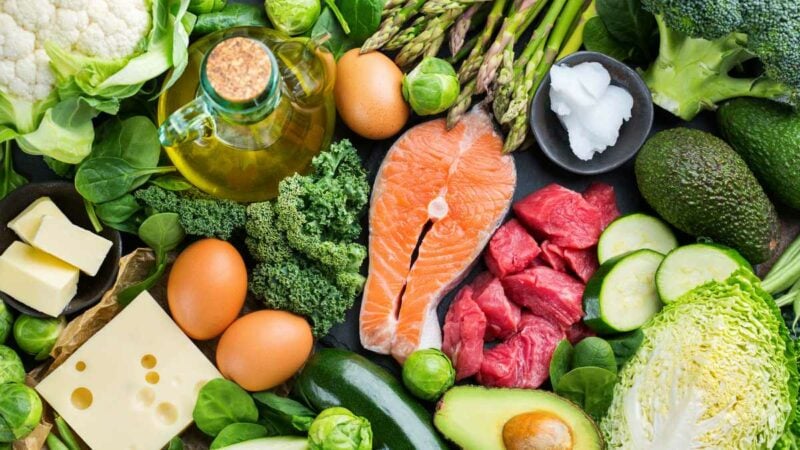
The ketogenic diet primarily focuses on drastically reducing carbohydrate intake while increasing fat consumption. This dietary shift is designed to encourage the body to enter ketosis, a metabolic state where fat becomes the primary energy source. To achieve ketosis, most people aim to consume approximately 70-75% of their daily calories from fats, 20-25% from proteins, and only about 5-10% from carbohydrates. This significant reduction in carbs is essential for the body to adapt to burning fat instead of glucose.
One of the fundamental principles of the ketogenic diet is the restriction of foods that are high in carbohydrates. This includes many grains, legumes, and most fruits. However, not all carbohydrates are created equal, and understanding the types of carbs and their effects on the body is crucial for anyone following this diet. The focus is not only on the quantity of carbohydrates but also on their quality and how they affect blood sugar levels.
In addition to the macronutrient ratios, the ketogenic diet emphasizes whole, unprocessed foods. This approach encourages the consumption of nutrient-dense options that provide essential vitamins and minerals while minimizing the intake of processed foods that can contain hidden sugars and unhealthy fats. Adhering to these principles can help individuals achieve their health and weight loss goals more effectively.
Finally, while the ketogenic diet can be highly effective for many, it is essential to approach it with a balanced mindset. Some individuals may experience initial side effects, commonly referred to as the "keto flu," as their bodies adjust to this new way of eating. Understanding the principles behind the diet can help individuals navigate these challenges and maintain long-term success.
Nutritional Profile of Apples: Carbs and Fiber Content
Apples are often celebrated for their health benefits, including being a rich source of vitamins, minerals, and antioxidants. However, when it comes to their carbohydrate content, apples may raise concerns for those following a ketogenic diet. A medium-sized apple typically contains about 25 grams of carbohydrates, including approximately 4 grams of dietary fiber. This means that the net carbs, which are calculated by subtracting fiber from total carbohydrates, amount to around 21 grams per apple.
The fiber content in apples is noteworthy, as it contributes to digestive health and helps regulate blood sugar levels. However, for individuals on a strict keto diet, the relatively high net carb count in a single apple can pose a challenge. Consuming an apple could take up a significant portion of the daily carbohydrate allowance, which is usually limited to around 20-50 grams for those in ketosis.
Moreover, the glycemic index of apples is moderate, meaning they can cause a gradual rise in blood sugar levels. This is an important consideration for those monitoring their carbohydrate intake closely, as even moderate glycemic responses can affect ketosis. Therefore, understanding the nutritional profile of apples is crucial for individuals trying to balance their desire for fruit with their dietary goals.
In summary, while apples are nutritious and offer various health benefits, their carbohydrate content must be carefully considered within the context of a ketogenic diet. Individuals should weigh their options and determine whether the inclusion of apples aligns with their personal dietary goals and carbohydrate limits.
The Role of Net Carbs in a Keto Diet Explained
Net carbs play a pivotal role in the ketogenic diet, as they represent the total carbohydrates that impact blood sugar levels. The concept of net carbs is calculated by subtracting fiber and certain sugar alcohols from the total carbohydrate content of a food item. This calculation is essential for individuals on a keto diet, as it provides a more accurate representation of the carbohydrates that can hinder ketosis.
Understanding net carbs is crucial for making informed dietary choices. For instance, foods high in fiber, such as vegetables and some fruits, can have a lower net carb impact because fiber is not digested in the same way as other carbohydrates. This means that individuals can enjoy these foods without significantly affecting their state of ketosis. In contrast, foods with high sugar content and low fiber may have a higher net carb count, making them less suitable for a keto diet.
When considering the role of net carbs, it is essential to remember that individual tolerance levels can vary. Some people may be able to consume slightly higher amounts of net carbs while remaining in ketosis, while others may need to adhere strictly to lower limits. Monitoring one’s body response through methods such as ketone testing can help individuals determine their personal carbohydrate threshold.
Incorporating the concept of net carbs into meal planning allows individuals on a ketogenic diet to enjoy a variety of foods while still adhering to their dietary goals. This flexibility can make the diet more sustainable in the long run, as it encourages the consumption of nutrient-dense foods that provide essential vitamins and minerals.
Comparing Apples to Other Low-Carb Fruit Options
When evaluating the suitability of apples within a ketogenic diet, it is helpful to compare them to other low-carb fruit options. Many fruits, such as berries, have a lower carbohydrate content and are often favored by those on a keto diet. For example, a cup of raspberries contains only about 7 grams of net carbs, making them a more viable option for individuals looking to satisfy their sweet tooth without exceeding their carbohydrate limits.
Other low-carb fruit alternatives include strawberries, blackberries, and avocados. Avocados, in particular, are an excellent choice for keto dieters due to their high healthy fat content and low net carbs. A whole avocado contains approximately 2 grams of net carbs, making it a nutrient-dense option that aligns well with the principles of the ketogenic diet.
In contrast, bananas and grapes are examples of fruits that are typically avoided on a keto diet due to their high sugar content and net carbs. A medium banana contains around 27 grams of net carbs, while a cup of grapes has about 26 grams. These fruits can quickly consume a significant portion of the daily carbohydrate allowance, making them less suitable for individuals aiming to maintain ketosis.
Ultimately, while apples can be enjoyed in moderation, they may not be the best choice for those strictly adhering to a ketogenic diet. Exploring other low-carb fruit options can provide individuals with a broader range of flavors and nutrients while keeping their carbohydrate intake in check.
Strategies for Including Apples in a Keto Meal Plan
For those who wish to include apples in their ketogenic meal plan, moderation and strategic planning are key. One effective approach is to incorporate small amounts of apples into recipes, such as salads or smoothies, where the overall carbohydrate content can be balanced with other low-carb ingredients. For instance, adding a few slices of apple to a spinach salad with avocado and nuts can provide flavor and texture without overwhelming the meal with carbs.
Another strategy is to choose smaller varieties of apples or opt for apple-flavored products that are lower in carbohydrates. For example, using unsweetened apple cider vinegar can impart the flavor of apples without the significant carb load. This can be a great addition to dressings or marinades, allowing individuals to enjoy the taste of apples while keeping their carb intake minimal.
In addition, pairing apples with high-fat foods can help mitigate the impact on blood sugar levels. For instance, enjoying apple slices with almond butter or cheese can provide a satisfying snack that combines healthy fats and protein, which can help slow down the absorption of carbohydrates. This pairing can make the experience of eating apples more compatible with a ketogenic lifestyle.
Lastly, individuals can consider tracking their carbohydrate intake using apps or food diaries. This can help ensure that the inclusion of apples does not lead to exceeding daily carb limits. By being mindful of portion sizes and overall carbohydrate consumption, individuals can enjoy the occasional apple while still adhering to the principles of a ketogenic diet.
Conclusions: Apples and Their Place in a Keto Lifestyle
In conclusion, while apples are a nutritious fruit with numerous health benefits, their higher carbohydrate content makes them a less-than-ideal choice for those strictly following a ketogenic diet. However, with careful planning and moderation, it is possible to include apples in a keto meal plan without derailing progress. Understanding the concept of net carbs, comparing apples to other low-carb fruit options, and employing strategies for inclusion can help individuals navigate their dietary choices effectively.
Ultimately, the key to a successful ketogenic lifestyle lies in balance and personalization. Each individual’s tolerance for carbohydrates may vary, and it is essential to find what works best for one’s body and health goals. By remaining informed and flexible, individuals can enjoy a diverse range of foods while maintaining their commitment to a low-carb lifestyle.
Here are five reliable sources for further reading on the ketogenic diet and the nutritional aspects of apples:
-
Healthline – What Is the Ketogenic Diet?
This article provides a comprehensive overview of the ketogenic diet, its principles, and how it works. -
Keto Summit – Low-Carb Fruits for Keto
A guide to low-carb fruit options suitable for a ketogenic diet, including comparisons to higher-carb fruits. -
Verywell Fit – Understanding Net Carbs
An informative article explaining the concept of net carbs and how to calculate them for a low-carb diet. -
Diet Doctor – How to Include Fruits on a Keto Diet
This resource discusses strategies for incorporating fruits into a ketogenic diet while managing carbohydrate intake.