

Introduction:
The ketogenic diet has gained immense popularity as a low-carb, high-fat eating plan aimed at promoting weight loss and improving metabolic health. As individuals embark on this dietary journey, they often find themselves questioning the suitability of various foods, including fruits. One common fruit that raises eyebrows is the banana. This article delves into the compatibility of bananas with a ketogenic lifestyle, exploring their nutritional profile, evaluating their consumption within keto guidelines, and suggesting alternative low-carb fruits.
Understanding the Ketogenic Diet and Its Principles
The ketogenic diet is characterized by a significant reduction in carbohydrate intake, typically to less than 50 grams per day, which shifts the body into a metabolic state known as ketosis. In this state, the body becomes highly efficient at burning fat for energy instead of relying on glucose derived from carbohydrates. The primary macronutrient ratios for a ketogenic diet usually consist of approximately 70-75% fats, 20-25% protein, and only about 5-10% carbohydrates. This drastic change in macronutrient intake is designed to encourage the body to utilize fat stores for fuel.
A critical aspect of the ketogenic diet is the careful selection of food sources to maintain the desired macronutrient ratios. Foods that are high in carbohydrates can disrupt ketosis, making it essential for those on a keto diet to monitor their carbohydrate intake closely. This includes not only obvious sources of carbs like bread and pasta but also foods that may seem healthy, such as certain fruits. Understanding these principles is vital for anyone considering the ketogenic approach.
Moreover, the ketogenic diet is often associated with various health benefits, including weight loss, improved mental clarity, and better blood sugar control. However, it is not without its challenges, particularly when it comes to food choices. Many people find themselves grappling with the decision of whether to include certain fruits, like bananas, which are typically viewed as healthy but may not align with keto guidelines.
In summary, the ketogenic diet requires a significant shift in dietary habits, focusing on high-fat and low-carb foods. This necessitates a thorough understanding of the nutritional content of various foods, especially fruits, which can be deceptively high in carbohydrates.
Nutritional Profile of Bananas: Carbs and Sugars Explained
Bananas are a popular fruit known for their convenience and nutritional benefits. However, when assessing their compatibility with a ketogenic diet, it is crucial to examine their nutritional profile. A medium-sized banana contains approximately 27 grams of carbohydrates, of which about 14 grams are sugars. This high carbohydrate content poses a challenge for those adhering to strict keto guidelines, where the goal is to minimize carbohydrate intake to achieve and maintain ketosis.
The sugars found in bananas are primarily fructose, glucose, and sucrose. While these natural sugars provide quick energy, they can also lead to spikes in blood sugar levels, which is counterproductive for individuals seeking to stabilize their blood glucose through a ketogenic diet. The glycemic index of bananas is relatively high, ranging from 51 to 55, indicating that they can cause a moderate increase in blood sugar levels.
In addition to carbohydrates, bananas are a good source of several essential nutrients, including potassium, vitamin C, vitamin B6, and dietary fiber. While these nutrients contribute to overall health, the high carbohydrate content remains a significant concern for those on a ketogenic diet. The fiber content in bananas, although beneficial for digestive health, does not sufficiently offset the carbohydrate load for keto dieters.
To summarize, while bananas offer various health benefits, their high carbohydrate and sugar content makes them a less-than-ideal choice for those following a strict ketogenic diet. Understanding the nutritional profile of bananas is essential for making informed dietary decisions.
Evaluating Banana Consumption Within Keto Guidelines
Given the high carbohydrate content of bananas, their consumption on a ketogenic diet requires careful evaluation. For individuals strictly adhering to keto guidelines, even a single medium banana could account for more than half of the daily carbohydrate allowance. This makes it challenging to incorporate bananas without exceeding the recommended carb intake, potentially disrupting ketosis.
Some proponents of a more flexible approach to the ketogenic diet argue that small amounts of higher-carb foods can be included if they fit within the overall daily macronutrient goals. This perspective suggests that individuals may be able to enjoy a small portion of banana, perhaps in a smoothie or as a topping, without significantly impacting their ketosis status. However, this approach requires meticulous tracking of carbohydrate intake and an understanding of individual metabolic responses.
It’s also important to consider the timing of banana consumption. For those engaging in high-intensity workouts, consuming a banana post-exercise may provide a quick source of energy and aid in recovery. However, this should be balanced with the overall carbohydrate intake throughout the day to ensure that it does not hinder the ketogenic state.
In conclusion, while bananas can be enjoyed in moderation, their high carbohydrate content makes them a less favorable option for those strictly following a ketogenic diet. Careful consideration of individual goals, activity levels, and overall carbohydrate intake is essential when evaluating the role of bananas in a keto lifestyle.
Alternative Low-Carb Fruits for a Ketogenic Diet
For those following a ketogenic diet, finding suitable alternatives to high-carb fruits like bananas is crucial. Fortunately, several low-carb fruits can be enjoyed without compromising ketosis. Berries, such as strawberries, raspberries, and blackberries, are excellent options. These fruits are lower in carbohydrates and high in fiber, making them a better fit for a keto lifestyle. For instance, a half-cup of raspberries contains only about 7 grams of carbohydrates.
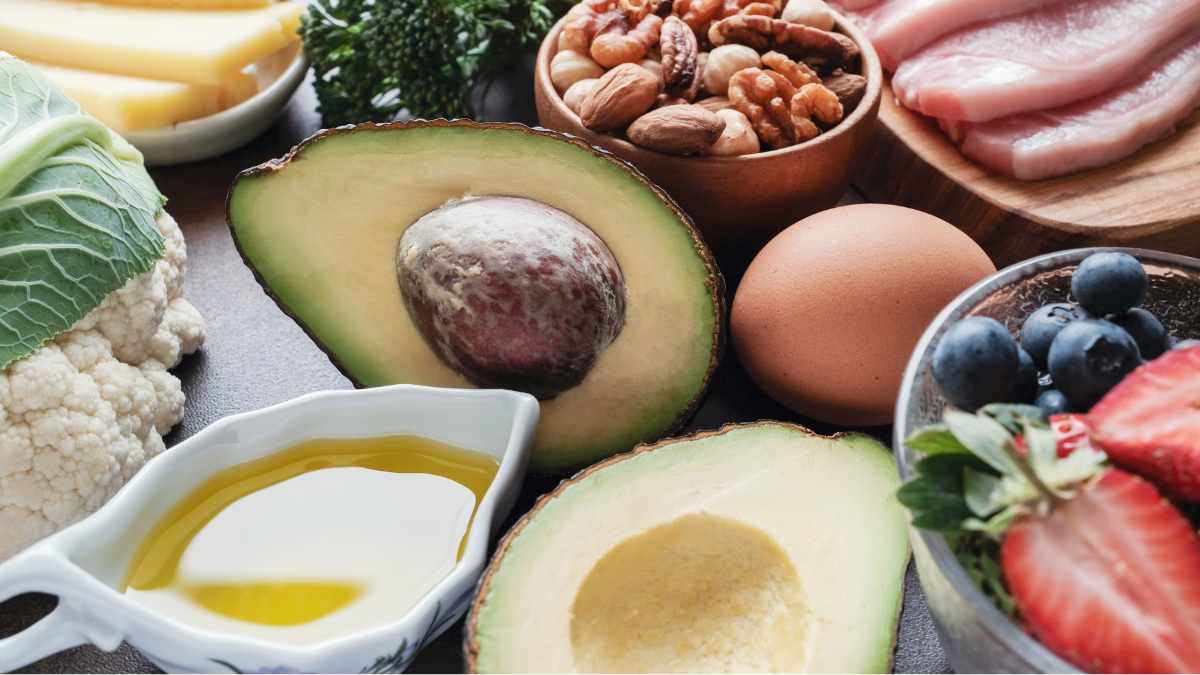
Another low-carb fruit option is avocado, which is technically a fruit but is often categorized with vegetables. Avocados are rich in healthy fats and contain only about 2 grams of net carbs per 100 grams. They are also packed with fiber, vitamins, and minerals, making them a nutritious addition to any ketogenic diet.
Olives are another great choice, providing healthy monounsaturated fats and a very low carbohydrate content. A serving of olives contains approximately 3 grams of carbohydrates, making them an ideal snack for those on a keto diet. Additionally, they are rich in antioxidants and can be easily incorporated into salads or eaten on their own.
Lastly, coconut is a versatile fruit that can be enjoyed in various forms, including coconut milk, shredded coconut, and coconut oil. It is low in carbohydrates and high in healthy fats, making it an excellent addition to a ketogenic diet. By incorporating these low-carb fruit alternatives, individuals can enjoy a variety of flavors and nutrients while adhering to their ketogenic goals.
Balancing Nutrients: Can Bananas Fit in Your Keto Plan?
While bananas are generally considered high in carbohydrates, some individuals may wonder if they can still fit them into their ketogenic plan. The key lies in balancing nutrient intake and being mindful of overall carbohydrate consumption. For those who are not in strict ketosis or are following a more flexible ketogenic approach, incorporating small amounts of bananas may be feasible.
One strategy is to use bananas as a flavor enhancer rather than the main ingredient in a meal. For instance, adding a few slices of banana to a smoothie or yogurt can provide a hint of sweetness without overwhelming the dish with carbohydrates. This way, individuals can enjoy the taste of bananas while keeping their carb intake in check.
Another consideration is the timing of banana consumption. Consuming a banana around workout times may be beneficial for those engaging in high-intensity exercise. The quick-release carbohydrates can provide an energy boost and aid in recovery. However, it is crucial to account for this carbohydrate intake within the daily limits to avoid exceeding the recommended allowance.
Ultimately, whether bananas can fit into a ketogenic plan depends on individual goals, activity levels, and overall dietary preferences. For those who are more lenient with their carb intake or engage in regular physical activity, small amounts of bananas may be manageable. However, for those strictly adhering to a ketogenic diet, it is advisable to prioritize lower-carb fruit options.
Conclusions:
In conclusion, while bananas are a nutritious fruit with several health benefits, their high carbohydrate content makes them a challenging option for those following a strict ketogenic diet. Understanding the principles of the ketogenic diet, the nutritional profile of bananas, and evaluating their consumption within keto guidelines is essential for making informed dietary choices. For those seeking alternatives, low-carb fruits such as berries, avocados, olives, and coconut offer delicious options that align better with ketogenic principles. Ultimately, the decision to include bananas in a keto plan should be based on individual goals, activity levels, and overall carbohydrate intake.
Read more
- Keto Diet Basics – An overview of the ketogenic diet, its principles, and benefits.
- Nutritional Information of Bananas – Detailed nutritional profile of bananas from the USDA FoodData Central.
- Low-Carb Fruits for Keto – A resource outlining low-carb fruits suitable for a ketogenic diet.
- Understanding Ketosis – A scientific article explaining the process of ketosis and its implications for health.
- Macronutrient Ratios for Keto – A keto calculator to help determine individual macronutrient needs based on personal goals.