

Introduction:
The ketogenic diet, commonly referred to as keto, has gained immense popularity for its potential benefits in weight loss, improved energy levels, and enhanced mental clarity. A fundamental aspect of this low-carbohydrate, high-fat diet is the inclusion of nutrient-dense foods that provide essential fats and proteins. Among these, eggs stand out as a versatile and highly nutritious option. This article explores the implications of consuming eggs daily while adhering to a ketogenic lifestyle, evaluating their nutritional value, benefits, risks, and overall role in a balanced keto diet.
Understanding the Keto Diet: Key Principles Explained
The ketogenic diet is primarily characterized by a significant reduction in carbohydrate intake, typically to less than 50 grams per day, while increasing fat consumption to approximately 70-75% of total daily calories. This macronutrient shift forces the body into a metabolic state known as ketosis, where it efficiently burns fat for energy instead of carbohydrates. The primary goal is to promote fat loss while preserving lean muscle mass, making it an appealing option for many individuals.
In addition to weight loss, the keto diet has been associated with several health benefits, including improved blood sugar control, reduced inflammation, and enhanced cognitive function. However, achieving and maintaining ketosis requires careful planning and consideration of food choices. As a result, many keto dieters seek out foods that are high in healthy fats and low in carbohydrates, which is where eggs come into play.
Eggs are often touted as a "perfect food" due to their rich nutrient profile. They are an excellent source of high-quality protein, essential vitamins, and healthy fats. The combination of these nutrients makes eggs a staple in many ketogenic meal plans. However, the question remains: can one consume eggs daily without adverse effects?
Understanding the principles of the keto diet is crucial for determining how eggs fit into this dietary framework. By recognizing the importance of macronutrient ratios and the role of various food sources, individuals can make informed decisions about their daily consumption of eggs and other keto-friendly foods.
Nutritional Composition of Eggs: A Detailed Analysis
Eggs are a powerhouse of nutrition, providing a wide array of essential nutrients in a compact package. A large egg typically contains about 6 grams of protein, 5 grams of fat, and less than 1 gram of carbohydrates. This macronutrient profile aligns perfectly with the requirements of a ketogenic diet, making eggs an ideal choice for those looking to maintain ketosis.
In addition to their macronutrient content, eggs are rich in vitamins and minerals. They are an excellent source of B vitamins, particularly B12 and riboflavin, which are crucial for energy metabolism. Eggs also contain significant amounts of vitamin D, which supports bone health and immune function. Furthermore, the yolk is packed with choline, a nutrient that plays a vital role in brain health and development.
One of the most significant aspects of eggs is their fat content. The majority of the fat in eggs is unsaturated, which is considered heart-healthy. This includes monounsaturated and polyunsaturated fats, which can help improve cholesterol levels and reduce the risk of heart disease. Additionally, eggs contain omega-3 fatty acids, especially when sourced from pasture-raised or omega-3 enriched hens.
Despite their numerous benefits, eggs do contain cholesterol, which has historically raised concerns about their consumption. However, recent research suggests that dietary cholesterol has a minimal impact on blood cholesterol levels for most people. This has led to a reevaluation of eggs as a healthy food choice, particularly in the context of a ketogenic diet.
Daily Egg Consumption: Benefits for Keto Adherents
Incorporating eggs into a daily ketogenic diet can offer several benefits. First and foremost, their high protein content helps promote satiety, making it easier to adhere to calorie restrictions without feeling deprived. This can be particularly advantageous for those aiming to lose weight or maintain their weight loss while following a keto regimen.
Moreover, the healthy fats found in eggs can provide sustained energy throughout the day. Unlike carbohydrates, which can lead to energy spikes and crashes, the fats in eggs contribute to a more stable energy level, supporting physical and mental performance. This is especially important for individuals engaging in regular physical activity or those with demanding lifestyles.
Another benefit of daily egg consumption is the convenience they offer. Eggs can be prepared in various ways—boiled, scrambled, poached, or fried—making them a versatile ingredient that can easily fit into any meal. This flexibility allows for creativity in meal planning, ensuring that individuals do not become bored with their food choices.
Finally, eggs are relatively inexpensive compared to other protein sources, making them an accessible option for those on a budget. This affordability, combined with their nutritional density, makes eggs an excellent staple for anyone following a ketogenic diet.
Potential Risks of Eating Eggs Daily on Keto
While there are numerous benefits to consuming eggs daily, it is essential to consider potential risks as well. One concern is the possibility of developing an intolerance or allergy to eggs, which can occur in some individuals. Symptoms may include digestive issues, skin reactions, or respiratory problems. For those who experience such symptoms, it is crucial to consult a healthcare professional and consider reducing or eliminating egg consumption.
Another potential risk is related to cholesterol levels. Although recent studies suggest that dietary cholesterol may not significantly impact blood cholesterol for most people, some individuals may still be sensitive to it. For those with pre-existing conditions, such as hypercholesterolemia or cardiovascular disease, it may be prudent to monitor egg intake and consult a healthcare provider for personalized advice.
Additionally, relying too heavily on eggs as a primary protein source can lead to nutrient imbalances. While eggs are nutritious, they do not provide all the essential amino acids or micronutrients required for optimal health. It is vital to incorporate a variety of protein sources, such as meat, poultry, fish, and plant-based options, to ensure a well-rounded nutrient intake.
Lastly, the method of preparation can impact the healthfulness of eggs. Frying eggs in unhealthy oils or adding excessive amounts of cheese or processed ingredients can negate some of their health benefits. Opting for healthier cooking methods, such as poaching or scrambling with vegetables, can help maximize the nutritional value of eggs in a ketogenic diet.
Balancing Nutrients: Eggs and Other Keto Foods
To maintain a well-rounded ketogenic diet, it is essential to balance egg consumption with other nutrient-dense foods. While eggs are an excellent source of protein and healthy fats, they should not be the sole focus of a keto meal plan. Incorporating a variety of low-carbohydrate vegetables, healthy fats, and other protein sources can help ensure a diverse nutrient intake.
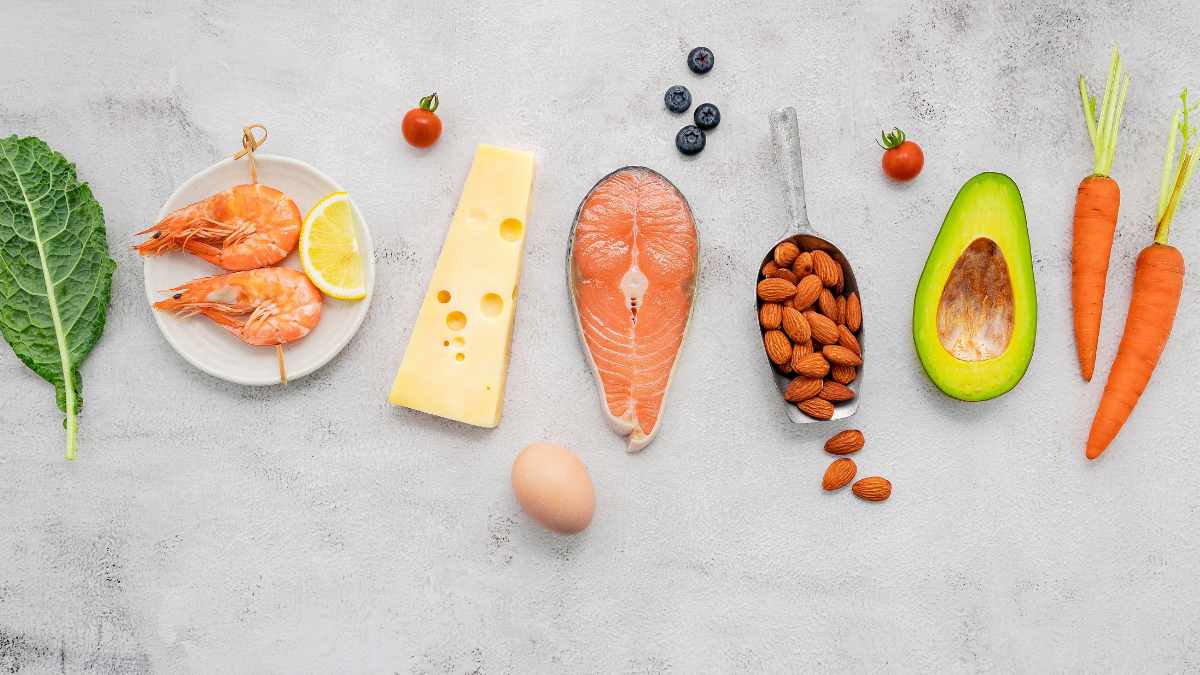
Leafy greens, such as spinach and kale, are excellent additions to meals featuring eggs. These vegetables are low in carbohydrates and high in fiber, vitamins, and minerals. They can be easily incorporated into omelets, salads, or as a side dish, enhancing the overall nutritional profile of the meal.
Healthy fats from sources such as avocados, nuts, and seeds can also complement egg dishes. These fats not only provide additional energy but also contribute essential fatty acids that support heart health. For instance, adding sliced avocado to an egg dish can enhance flavor and texture while boosting the overall nutrient content.
In addition to vegetables and healthy fats, incorporating other protein sources can help prevent nutrient imbalances. Options such as chicken, fish, and grass-fed beef can provide a broader range of amino acids and micronutrients. By diversifying protein sources, individuals can better meet their nutritional needs while enjoying the benefits of a ketogenic diet.
Conclusions: Eggs in a Sustainable Keto Lifestyle
In conclusion, consuming eggs daily can be a beneficial practice for those following a ketogenic diet, provided it is done mindfully and in conjunction with a variety of other nutrient-dense foods. Eggs offer a rich source of high-quality protein, healthy fats, and essential vitamins and minerals, making them a valuable addition to a keto meal plan. However, it is crucial to consider individual health circumstances, potential risks, and the importance of dietary diversity.
By balancing egg consumption with a wide range of other keto-friendly foods, individuals can create a sustainable and enjoyable eating pattern that supports their health and wellness goals. Ultimately, the key to success on a ketogenic diet lies in understanding one’s unique nutritional needs and making informed choices that promote overall health.
Read more
- Keto Diet Basics – An overview of the ketogenic diet, its principles, and health benefits.
- Egg Nutrition Facts – A detailed nutritional breakdown of eggs, including their macronutrient and micronutrient content.
- Health Benefits of Eggs – An article discussing the health benefits of eggs and their role in a balanced diet.
- Cholesterol and Eggs – A review of the relationship between dietary cholesterol from eggs and heart health.
- Keto-Friendly Foods – A comprehensive guide to foods that fit within a ketogenic diet, emphasizing variety and nutrient density.