

Introduction:
The ketogenic diet, known for its low-carb and high-fat approach, has gained immense popularity among those seeking to lose weight and improve their overall health. As individuals embark on this dietary journey, they often question the compatibility of various foods with the keto lifestyle. One common snack that frequently comes into question is popcorn. This article delves into the intricacies of the keto diet, the nutritional profile of popcorn, its impact on ketosis, and potential alternatives for those adhering to a ketogenic regimen.
Understanding the Keto Diet: Principles and Macronutrients
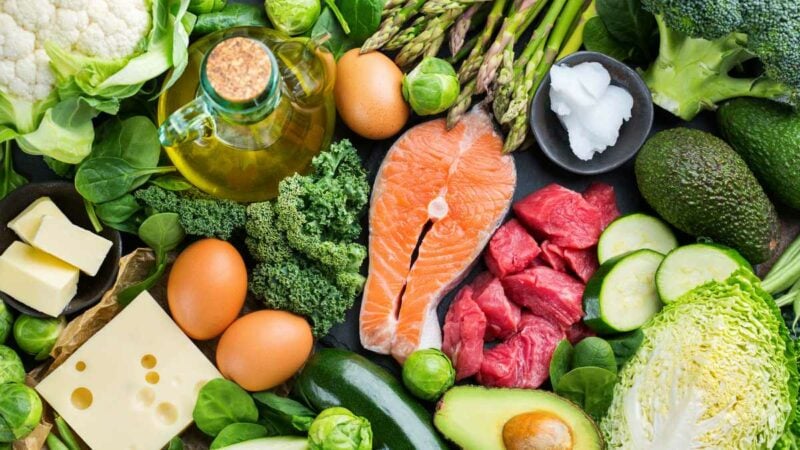
The ketogenic diet is primarily characterized by a significant reduction in carbohydrate intake, typically to about 5-10% of total daily calories. This dietary shift encourages the body to enter a metabolic state known as ketosis, where it burns fat for fuel instead of carbohydrates. To achieve and maintain ketosis, individuals must focus on consuming a high percentage of fats (approximately 70-80% of total calories) and a moderate amount of protein (around 20-25%).
Macronutrient balance is crucial in the keto diet, as it influences how the body utilizes energy. By limiting carbohydrates, the body is forced to adapt, leading to increased fat oxidation and the production of ketones. This metabolic adaptation can lead to various benefits, including weight loss, improved mental clarity, and enhanced energy levels. However, the success of this diet depends heavily on the careful selection of foods that align with these macronutrient ratios.
In addition to macronutrients, the quality of the food consumed plays a vital role in the effectiveness of the keto diet. Whole, nutrient-dense foods are encouraged, while processed and high-sugar items are to be avoided. This focus on quality ensures that individuals receive essential vitamins and minerals while adhering to their dietary restrictions. Understanding these principles is essential for anyone considering the keto lifestyle, as it sets the foundation for making informed food choices.
As individuals navigate their dietary options, it becomes crucial to evaluate the compatibility of various snacks, including popcorn, with the principles of the ketogenic diet. The next section will explore the nutritional profile of popcorn, providing insight into its carbohydrate content and overall suitability for those following a low-carb lifestyle.
Nutritional Profile of Popcorn: Carbs, Fiber, and More
Popcorn is a whole grain that is often celebrated for its high fiber content and relatively low calorie count. A standard serving of air-popped popcorn (approximately 3 cups) contains around 15 grams of carbohydrates, 3 grams of fiber, and just 1 gram of fat. This nutritional profile makes popcorn a popular choice for many snackers, particularly those looking for a light, crunchy option.
However, the carbohydrate content of popcorn poses a significant challenge for those adhering to a ketogenic diet. With a daily carbohydrate limit typically ranging from 20 to 50 grams, consuming a single serving of popcorn can quickly consume a substantial portion of that allowance. Moreover, the net carbs (total carbohydrates minus fiber) in popcorn can still be considerable, making it difficult to fit into a strict keto meal plan.
In addition to carbohydrates, popcorn also contains small amounts of protein and various micronutrients, including magnesium, phosphorus, and B vitamins. While these nutrients are beneficial, they do not outweigh the challenges posed by its carbohydrate content for those seeking to maintain ketosis. Therefore, it is essential to consider not only the nutritional benefits of popcorn but also its potential impact on a low-carb diet.
As we analyze the compatibility of popcorn with the keto lifestyle, it is crucial to understand how popcorn affects ketosis. The next section will provide a scientific perspective on the relationship between popcorn consumption and the state of ketosis.
Impact of Popcorn on Ketosis: A Scientific Perspective
The primary goal of the ketogenic diet is to achieve and maintain a state of ketosis, wherein the body relies on fat stores for energy. When carbohydrates are consumed, they are broken down into glucose, which can hinder the production of ketones. Given that popcorn is relatively high in carbohydrates, its consumption can potentially disrupt ketosis, especially if consumed in larger quantities.
Research indicates that even small amounts of carbohydrates can impact blood sugar levels and insulin response, both of which are critical factors in maintaining ketosis. For individuals who are highly sensitive to carbohydrates, the consumption of popcorn—even in moderation—may lead to a temporary exit from ketosis. This fluctuation can be particularly problematic for those who are just starting their keto journey or are trying to fine-tune their macronutrient intake.
Furthermore, the method of preparation can also influence the impact of popcorn on ketosis. For instance, buttered or flavored popcorn may contain additional fats, but it also often includes sugars and other additives that can further increase carbohydrate content. Therefore, it is essential for individuals to be mindful of not only the type of popcorn they consume but also how it is prepared.
In summary, while popcorn may be a beloved snack for many, its carbohydrate content poses a significant challenge for those aiming to maintain ketosis. The next section will explore alternatives to popcorn that can provide a satisfying crunch without jeopardizing a ketogenic lifestyle.
Alternatives to Popcorn for Keto-Friendly Snacking
For those seeking crunchy snacks that align with a ketogenic diet, there are several alternatives to popcorn that can satisfy cravings without compromising macronutrient goals. One popular option is keto-friendly cheese crisps, which are made by baking or frying cheese until crispy. These snacks are low in carbohydrates and high in healthy fats, making them an excellent choice for those on a keto diet.
Another alternative is pork rinds, which are made from fried pork skin and contain zero carbohydrates. They provide a satisfying crunch and can be seasoned in various ways to enhance flavor. Additionally, pork rinds are high in protein and fat, making them a suitable option for those looking to maintain ketosis while enjoying a savory snack.
Vegetable chips made from low-carb vegetables such as kale, zucchini, or radishes can also serve as a crunchy alternative to popcorn. When baked or dehydrated, these vegetables can provide a satisfying texture while keeping carbohydrate intake to a minimum. Seasoned with herbs and spices, they can be a flavorful addition to a keto-friendly snack repertoire.
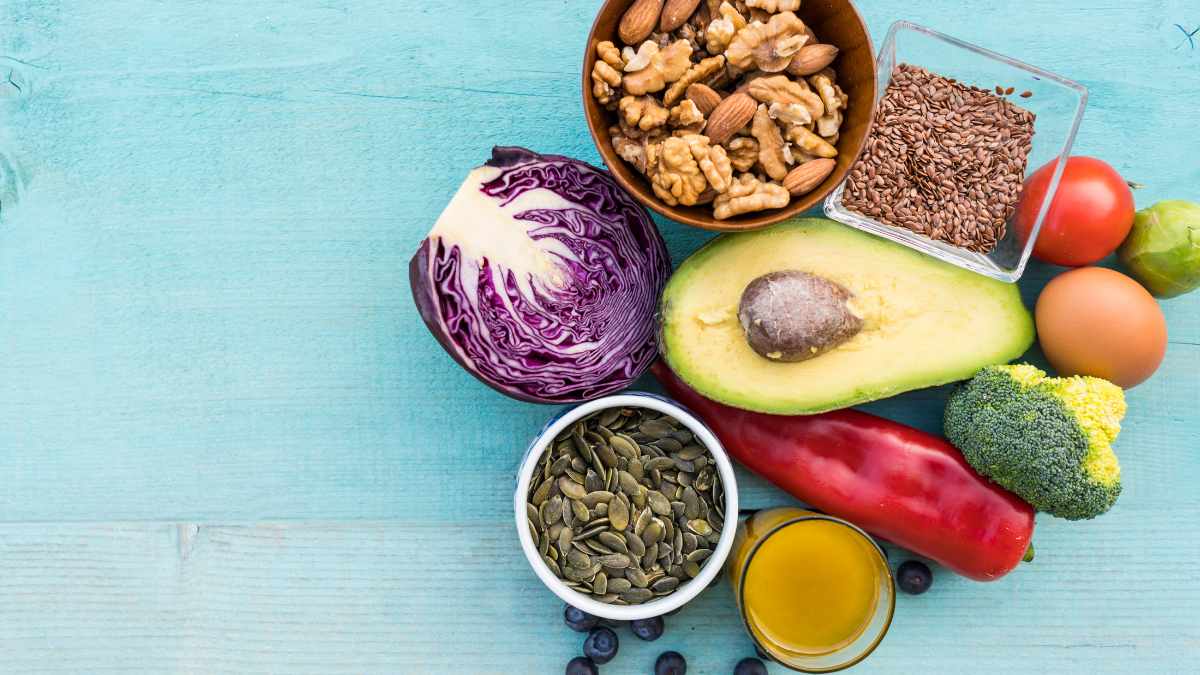
Lastly, nuts and seeds are excellent options for those on a ketogenic diet. Almonds, macadamia nuts, and sunflower seeds are not only low in carbohydrates but also rich in healthy fats and protein. They can be eaten on their own or mixed with spices for added flavor, making them a versatile and satisfying snack choice.
Moderation and Portion Control: Popcorn on Keto
If one chooses to include popcorn in their ketogenic diet, moderation and portion control are essential. Understanding serving sizes and the total carbohydrate content is crucial for maintaining ketosis. For instance, a single serving of air-popped popcorn can be enjoyed occasionally, but it should be accounted for within the daily carbohydrate limit.
To effectively incorporate popcorn into a keto lifestyle, individuals can consider limiting their intake to small amounts, perhaps as a treat rather than a staple snack. By measuring portions and being mindful of the overall carbohydrate intake throughout the day, it is possible to enjoy popcorn without significantly impacting ketosis.
Moreover, pairing popcorn with high-fat toppings, such as melted butter or cheese, can help balance the macronutrient profile of the snack. This approach allows individuals to enjoy the texture and flavor of popcorn while ensuring that they remain within their carbohydrate limits. However, it is essential to be cautious about added ingredients that may contain hidden sugars or carbohydrates.
In conclusion, while popcorn can be enjoyed in moderation on a ketogenic diet, it is crucial to remain vigilant about portion sizes and overall carbohydrate intake. The next section will summarize the findings and provide a final perspective on the compatibility of popcorn with a ketogenic lifestyle.
Conclusion: Is Popcorn Compatible with a Keto Lifestyle?
In summary, the compatibility of popcorn with a ketogenic lifestyle largely depends on individual carbohydrate tolerance and dietary goals. While popcorn is a whole grain that offers some nutritional benefits, its carbohydrate content can pose challenges for those aiming to maintain ketosis. For individuals who are strict about their carb intake, popcorn may not be the best choice.
However, for those who are willing to practice moderation and portion control, popcorn can be included occasionally as a treat. By pairing it with high-fat toppings and being mindful of overall carbohydrate consumption, it is possible to enjoy this popular snack without derailing a ketogenic diet. Ultimately, the decision to include popcorn should be based on personal dietary preferences and individual responses to carbohydrates.
As the keto community continues to grow, it is essential for individuals to educate themselves about their food choices and how they align with their health goals. By understanding the principles of the ketogenic diet and making informed decisions, individuals can successfully navigate their dietary journey while enjoying a variety of foods.
Read more
- Keto Diet Basics – A comprehensive overview of the ketogenic diet, its principles, and benefits.
- Nutritional Information of Popcorn – Detailed nutritional profile of popcorn, including its carbohydrate and fiber content.
- The Science of Ketosis – A scientific exploration of ketosis and its metabolic implications.
- Keto-Friendly Snacks – A guide to keto-friendly snacks and alternatives to traditional high-carb options.
- Understanding Carbohydrate Sensitivity – An article discussing how different individuals respond to carbohydrate intake and its effects on ketosis.