

Introduction:
The ketogenic diet, commonly referred to as keto, has gained immense popularity as a weight-loss strategy and a lifestyle choice. This high-fat, low-carbohydrate diet encourages the body to enter a state of ketosis, where it burns fat for fuel instead of carbohydrates. Among the many food options that fit within this dietary framework, bacon and eggs stand out as a classic breakfast combination. However, the question arises: can you eat bacon and eggs every morning on keto? This article delves into the principles of the keto diet, the nutritional profile of bacon and eggs, potential health benefits, risks, and the importance of a varied diet.
Understanding the Keto Diet: Principles and Macronutrients
The ketogenic diet is fundamentally designed to shift the body’s metabolism from burning carbohydrates to burning fats. This is achieved by drastically reducing carbohydrate intake to about 5-10% of total daily calories while increasing fat intake to approximately 70-80%. Proteins typically make up the remaining 15-25% of caloric intake. This macronutrient distribution encourages the liver to produce ketones, which serve as an alternative energy source.
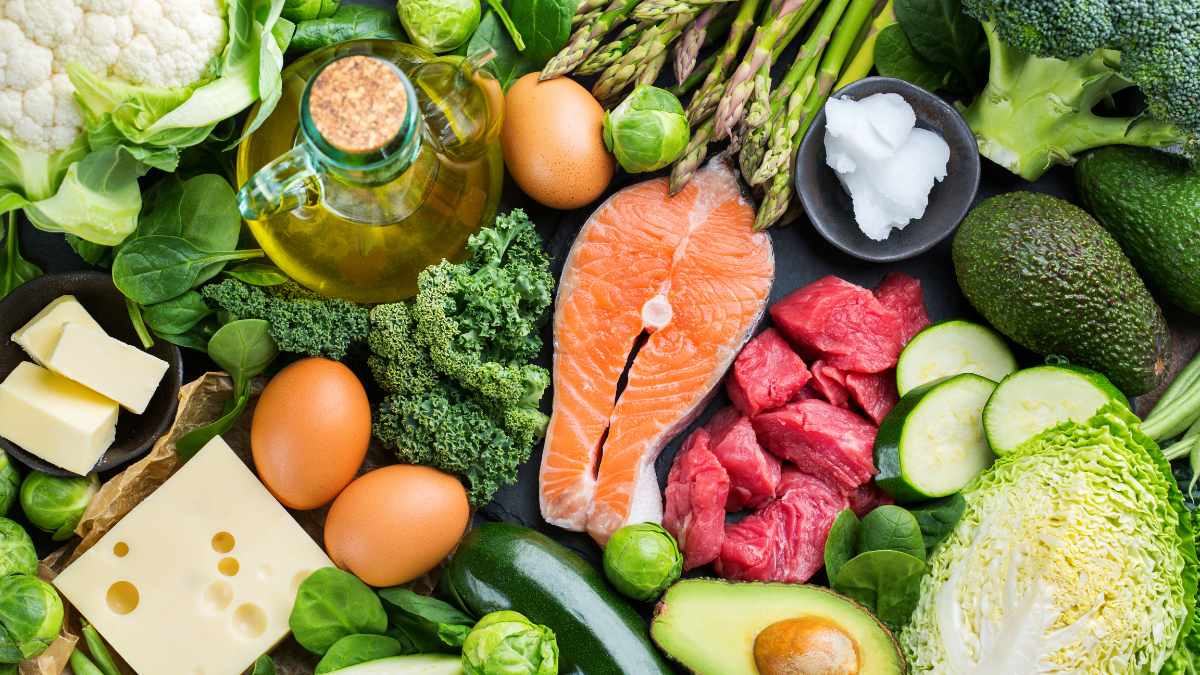
The primary goal of the keto diet is to induce ketosis, a metabolic state that can lead to weight loss and improved mental clarity. To achieve this, individuals often track their macronutrient intake meticulously, focusing on foods high in healthy fats, moderate in protein, and low in carbohydrates. Foods such as avocados, nuts, seeds, and fatty fish are staples, while grains, sugars, and starchy vegetables are largely avoided.
Incorporating bacon and eggs into a keto diet aligns well with these principles. Both foods are high in fats and proteins while being low in carbohydrates, making them suitable choices for those adhering to keto guidelines. However, understanding the broader implications of consuming these foods daily is essential for long-term success on the diet.
Moreover, the keto diet is not merely a weight-loss tool; it has been studied for its potential therapeutic benefits in various medical conditions, including epilepsy, type 2 diabetes, and metabolic syndrome. This highlights the importance of a well-rounded approach to dietary choices, even within the confines of a specific diet like keto.
Nutritional Profile of Bacon and Eggs in a Keto Context
Bacon is primarily composed of fat and protein, making it an ideal food for those on a ketogenic diet. A typical serving of bacon (about two slices) contains approximately 8 grams of protein and 7 grams of fat, with negligible carbohydrates. This high-fat content is beneficial for maintaining ketosis, as fats are the primary fuel source in this metabolic state.
Eggs, on the other hand, are a nutritional powerhouse. One large egg contains about 6 grams of protein, 5 grams of fat, and less than 1 gram of carbohydrates. Eggs are also rich in essential vitamins and minerals, including vitamin B12, selenium, and choline, which support various bodily functions. The combination of bacon and eggs offers a balanced macronutrient profile that meets the requirements of a ketogenic diet.
However, it is crucial to consider the quality of the bacon and eggs consumed. Opting for organic, pasture-raised eggs and high-quality, nitrate-free bacon can enhance the nutritional value of this breakfast. Additionally, the cooking method can impact the overall healthiness of the meal. For example, frying bacon in unhealthy oils may negate some of the benefits associated with these foods.
In summary, bacon and eggs provide a nutrient-dense breakfast option that aligns well with the principles of the keto diet. Their low carbohydrate content, combined with high levels of protein and fat, makes them a popular choice among keto enthusiasts.
Potential Health Benefits of Bacon and Eggs on Keto
Consuming bacon and eggs regularly on a ketogenic diet can offer several health benefits. First and foremost, the high-fat content can promote satiety, helping individuals feel fuller for longer periods. This can be particularly advantageous for those aiming to control their appetite and reduce overall caloric intake.
Additionally, both bacon and eggs are excellent sources of protein, which is essential for muscle maintenance and repair. Adequate protein intake can also support metabolic health, as protein has a higher thermic effect compared to fats and carbohydrates. This means that the body burns more calories digesting protein, which can aid in weight management.
Furthermore, the combination of fats and proteins in bacon and eggs can help stabilize blood sugar levels. This is particularly beneficial for individuals with insulin resistance or type 2 diabetes, as it can prevent spikes in blood glucose levels. The ketogenic diet itself has been shown to improve insulin sensitivity and promote better glycemic control.
Lastly, the vitamins and minerals found in eggs, such as choline, play a vital role in brain health and cognitive function. Choline is essential for neurotransmitter synthesis, which can enhance memory and overall brain performance. The inclusion of bacon and eggs in a keto diet can thus contribute to both physical and mental well-being.
Risks and Considerations of Daily Bacon and Eggs Consumption
While bacon and eggs can be beneficial within a ketogenic framework, consuming them daily raises some concerns. One significant issue is the potential for excessive saturated fat intake. While recent studies suggest that saturated fat may not be as harmful as once thought, moderation is still key. High levels of saturated fat can contribute to increased cholesterol levels and may pose cardiovascular risks for some individuals.
Additionally, bacon is often processed and may contain preservatives such as nitrates and nitrites. These additives have been linked to various health concerns, including an increased risk of certain cancers. Choosing high-quality, minimally processed bacon can mitigate some of these risks, but it’s essential to be aware of the potential downsides of frequent consumption.
Another consideration is the lack of dietary variety. Relying solely on bacon and eggs for breakfast can lead to nutrient deficiencies over time. While these foods are rich in certain nutrients, they do not provide a complete spectrum of vitamins and minerals necessary for optimal health. A varied diet is crucial for ensuring all nutritional needs are met.
Lastly, individual responses to dietary fats can vary. Some people may experience digestive discomfort or other adverse effects from high-fat meals. It’s important to listen to one’s body and adjust dietary choices accordingly. Consulting with a healthcare provider or a registered dietitian can provide personalized guidance on incorporating bacon and eggs into a balanced keto diet.
Balancing Nutrients: Ensuring a Varied Keto Diet
To maintain health and well-being on a ketogenic diet, it’s vital to incorporate a variety of foods beyond just bacon and eggs. While these foods can serve as a staple, diversifying the diet can help ensure that all essential nutrients are consumed. Including non-starchy vegetables, nuts, seeds, and healthy fats from sources like olive oil and avocados can enhance nutrient intake.
Non-starchy vegetables, such as leafy greens, broccoli, and bell peppers, are low in carbohydrates but high in vitamins, minerals, and fiber. They can help fill the plate and provide essential nutrients that bacon and eggs alone may lack. Incorporating a range of colors and types of vegetables can also make meals more enjoyable and satisfying.
Additionally, varying protein sources can contribute to a more balanced diet. While bacon and eggs are excellent choices, including other protein-rich foods like chicken, fish, and plant-based proteins can provide different amino acids and nutrients. This variety can also help prevent dietary boredom and promote long-term adherence to the keto lifestyle.
Finally, it’s essential to stay hydrated and consider electrolyte balance, especially on a ketogenic diet. As the body adapts to ketosis, it may excrete more water and electrolytes, leading to imbalances. Including foods rich in potassium, magnesium, and sodium can help maintain proper hydration and support overall health.
Conclusions:
In conclusion, while bacon and eggs can be a delicious and convenient breakfast option on a ketogenic diet, consuming them daily may not be the best approach for everyone. The nutritional benefits of these foods are significant, but potential risks and the importance of dietary variety should not be overlooked. Striking a balance between enjoying these foods and incorporating a diverse range of nutrients is essential for long-term success on the keto diet. Ultimately, individual preferences, health conditions, and dietary goals should guide food choices.
Read more
- Keto Diet Basics – A comprehensive overview of the ketogenic diet, its principles, and how it works.
- Nutritional Profile of Eggs – A detailed study on the nutritional benefits of eggs and their role in a healthy diet.
- Bacon and Health – An analysis of the health implications of bacon consumption, including potential risks and benefits.
- Keto Diet and Nutrient Deficiencies – A study highlighting the importance of dietary variety on a ketogenic diet to prevent nutrient deficiencies.
- Understanding Ketosis – An exploration of the metabolic state of ketosis and its implications for health and weight management.