

Se hai un abbonamento attivo ACCEDI QUI
Introduction:
The ketogenic diet, commonly referred to as keto, has gained immense popularity as a low-carbohydrate, high-fat dietary approach. This diet aims to shift the body’s metabolism from relying on carbohydrates for energy to utilizing fats, thereby promoting fat loss and improving overall health. As individuals embark on their keto journey, they often question the suitability of various foods, including condiments like mayonnaise. This article delves into the compatibility of mayonnaise with the keto diet, evaluating its nutritional profile, health benefits, and potential risks, along with practical tips for incorporating it into keto meals.
Understanding the Keto Diet: Key Principles and Guidelines
The ketogenic diet is characterized by a significant reduction in carbohydrate intake, typically to about 5-10% of total daily calories, while increasing fat consumption to around 70-75%. This macronutrient ratio forces the body into a metabolic state known as ketosis, where it efficiently burns fat for fuel instead of glucose derived from carbohydrates. To achieve and maintain ketosis, it is crucial to monitor not only the total carbohydrate intake but also the quality of fats consumed.
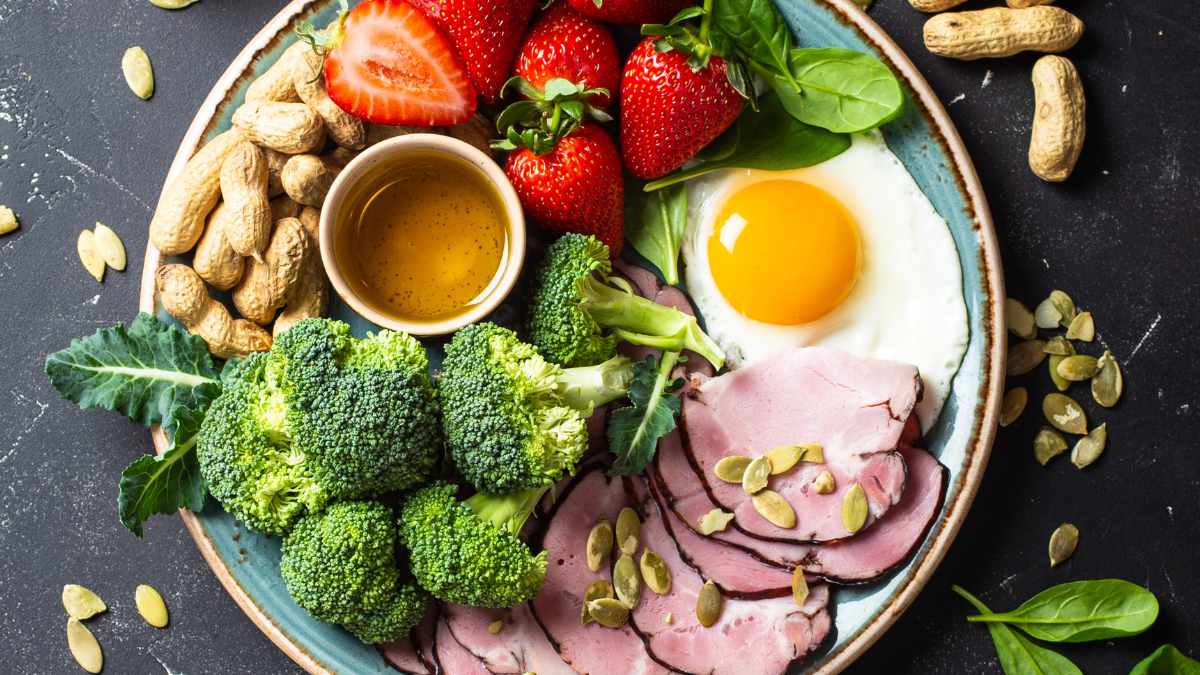
In addition to macronutrient ratios, the keto diet emphasizes whole, unprocessed foods. This includes healthy fats from sources like avocados, nuts, seeds, and oils, while discouraging refined sugars and grains. The primary goal is to stabilize blood sugar levels and reduce insulin spikes, which can promote fat storage. Adhering to these principles can lead to various health benefits, including weight loss, improved mental clarity, and enhanced energy levels.
Another key aspect of the keto diet is the importance of nutrient density. While it is possible to consume high-fat foods that are low in nutrients, focusing on foods that provide essential vitamins and minerals is vital for overall health. This means incorporating a variety of low-carb vegetables, high-quality proteins, and healthy fats into the diet. Understanding these principles is essential for anyone considering the keto lifestyle, as they lay the groundwork for successful and sustainable dietary changes.
Lastly, individual responses to the keto diet can vary significantly. Factors such as genetics, activity level, and metabolic health can influence how well someone adapts to ketosis. Therefore, it is advisable for individuals to consult with healthcare professionals or registered dietitians before making significant dietary changes, ensuring that the approach aligns with their unique health needs and goals.
Nutritional Profile of Mayonnaise: Ingredients Breakdown
Mayonnaise is a popular condiment made primarily from oil, egg yolks, vinegar or lemon juice, and seasonings. The primary ingredient, oil, is typically a source of healthy fats, which is a cornerstone of the keto diet. Common oils used in mayonnaise include canola, olive, and avocado oil, each offering different health benefits. The egg yolks provide essential nutrients, including vitamins A, D, E, and K, along with healthy fats and protein.
The emulsification process that creates mayonnaise allows for a creamy texture, making it a versatile addition to various dishes. However, the quality of the ingredients used in mayonnaise can vary significantly between brands. Some commercial mayonnaise products may contain added sugars, preservatives, or unhealthy fats, which can compromise their keto-friendliness. Therefore, it is essential to read labels carefully and opt for mayonnaise made from high-quality, natural ingredients.
In terms of macronutrient composition, mayonnaise is predominantly fat, with minimal carbohydrates and protein. A typical serving (about one tablespoon) contains approximately 10 grams of fat, 0 grams of carbohydrates, and 0 grams of protein. This high-fat content aligns well with the keto diet’s requirements, making mayonnaise an appealing option for those looking to increase their fat intake while keeping carbohydrates low.
Furthermore, homemade mayonnaise can be an excellent alternative for those concerned about additives in store-bought versions. By using fresh ingredients, individuals can control the quality and nutritional profile of their mayonnaise, ensuring it adheres to their dietary preferences and restrictions. This flexibility allows for personalized flavor profiles and ingredient choices, enhancing the overall culinary experience.
Evaluating Mayonnaise’s Carb Content for Keto Compliance
When evaluating whether mayonnaise is suitable for a keto diet, the primary consideration is its carbohydrate content. Most traditional mayonnaise recipes and high-quality store-bought versions contain negligible amounts of carbohydrates, typically less than 1 gram per tablespoon. This low carb content makes mayonnaise an excellent choice for those adhering to a strict ketogenic lifestyle.
However, it is crucial to be cautious of flavored or specialty mayonnaise products that may contain added sugars or other high-carb ingredients. For instance, garlic mayonnaise or chipotle mayonnaise may have additional components that increase their carbohydrate content. Therefore, always check the nutrition label to ensure that the product aligns with keto guidelines.
In addition to carbohydrate content, the overall quality of the fats in mayonnaise should also be considered. While mayonnaise is high in fat, not all fats are created equal. Choosing mayonnaise made from healthy oils, such as olive oil or avocado oil, can provide additional health benefits, including anti-inflammatory properties and heart health support. This is particularly important for individuals on a keto diet, as the type of fat consumed can significantly impact overall health.
Ultimately, mayonnaise can be a compliant condiment for those on a ketogenic diet, provided that it is consumed in moderation and made from quality ingredients. By being mindful of the specific product chosen and its ingredient list, individuals can enjoy mayonnaise without compromising their dietary goals.
Health Benefits of Mayonnaise in a Low-Carb Diet
Incorporating mayonnaise into a low-carb diet can offer several health benefits. Firstly, the high-fat content of mayonnaise can help individuals feel satiated and satisfied, reducing the likelihood of overeating or snacking on non-keto-friendly foods. This satiety can be particularly beneficial for those aiming to lose weight or maintain their weight on a ketogenic diet.
Moreover, mayonnaise can serve as an excellent source of healthy fats, which are essential for overall health. Healthy fats are crucial for hormone production, nutrient absorption, and brain function. The inclusion of mayonnaise in meals can help ensure that individuals meet their daily fat intake goals while enjoying flavorful dishes. This can be particularly advantageous for those who struggle to incorporate enough healthy fats into their diet.
Additionally, mayonnaise can enhance the palatability of various dishes, making it easier to consume nutrient-dense foods that may otherwise be less appealing. For example, adding mayonnaise to salads, vegetables, or proteins can boost flavor and texture, encouraging individuals to enjoy a wider variety of foods. This can lead to a more balanced and enjoyable dietary experience, which is essential for long-term adherence to the keto lifestyle.
Lastly, mayonnaise can be a convenient option for meal preparation. Its versatility allows it to be used in various recipes, from dressings to dips, making it a valuable addition to any keto-friendly kitchen. By utilizing mayonnaise creatively, individuals can enhance their meals while staying within their dietary parameters.
Potential Risks of Consuming Mayonnaise on Keto
While mayonnaise can be a beneficial addition to a ketogenic diet, there are potential risks to consider. One of the primary concerns is the quality of the ingredients used in commercial mayonnaise products. Many store-bought options may contain unhealthy oils, such as soybean or corn oil, which can contribute to inflammation and other health issues. Additionally, some brands may include added sugars or preservatives that can disrupt ketosis.
Another risk associated with mayonnaise consumption is portion control. Although mayonnaise is low in carbohydrates, it is calorie-dense due to its high-fat content. Overconsumption can lead to excessive calorie intake, which may hinder weight loss efforts or lead to weight gain. Therefore, it is essential to practice moderation and be mindful of serving sizes when incorporating mayonnaise into meals.
Individuals with egg allergies or sensitivities should also exercise caution when consuming mayonnaise, as traditional recipes contain egg yolks. For those with dietary restrictions, there are egg-free mayonnaise alternatives available, typically made from aquafaba or other plant-based ingredients. However, it is crucial to evaluate the nutritional profile of these alternatives to ensure they align with keto guidelines.
Lastly, some individuals may experience digestive discomfort when consuming high-fat foods, including mayonnaise. This can be particularly true for those who are not accustomed to a high-fat diet. Gradually introducing mayonnaise and other high-fat foods can help the body adjust and minimize potential gastrointestinal issues.
Practical Tips for Including Mayo in Your Keto Meals
Incorporating mayonnaise into a ketogenic diet can be both enjoyable and straightforward. One practical tip is to use mayonnaise as a base for homemade salad dressings. By mixing mayonnaise with vinegar, herbs, and spices, individuals can create flavorful dressings that enhance salads and vegetables while maintaining low carbohydrate content.
Another way to include mayonnaise in keto meals is by using it as a dip for low-carb snacks. Pairing mayonnaise with raw vegetables, such as celery, cucumbers, or bell peppers, can create a satisfying and nutritious snack option. Additionally, mayonnaise can be used in recipes for keto-friendly dips, such as buffalo chicken dip or spinach artichoke dip, providing a creamy texture and rich flavor.
For those who enjoy cooking, mayonnaise can be used as a marinade for proteins. Coating chicken, fish, or pork in mayonnaise before baking or grilling can help retain moisture and add flavor. This technique not only enhances the taste of the dish but also ensures that it remains compliant with keto guidelines.
Lastly, individuals can experiment with different flavors of mayonnaise to keep meals exciting. Adding ingredients like garlic, herbs, or spices can create unique flavor profiles that elevate dishes without compromising their keto status. By being creative with mayonnaise, individuals can enjoy a diverse range of meals while adhering to their dietary goals.
Conclusions:
Mayonnaise can be a valuable addition to a ketogenic diet, provided that individuals choose high-quality products and consume it in moderation. With its low carbohydrate content and high-fat profile, mayonnaise aligns well with the principles of keto, offering both flavor and nutritional benefits. However, it is essential to remain mindful of ingredient quality and portion sizes to maximize the advantages of this condiment while minimizing potential risks. By incorporating mayonnaise thoughtfully into meals, individuals can enhance their keto experience and enjoy a variety of delicious dishes.
Read more
- Keto Diet Basics: What You Need to Know – An overview of the ketogenic diet, its principles, and how it works.
- The Nutritional Profile of Mayonnaise – Detailed nutritional information about mayonnaise and its ingredients.
- Understanding Fats: A Guide to Healthy Fats – Insights into different types of fats and their health implications.
- Keto-Friendly Condiments: What to Choose – A guide to condiments that are suitable for a ketogenic diet.
- Homemade Mayonnaise Recipe – A simple recipe for making mayonnaise at home with quality ingredients.