

Introduction:
The ketogenic diet, commonly known as the keto diet, has gained immense popularity for its potential to promote weight loss and improve metabolic health. This low-carbohydrate, high-fat dietary approach encourages the body to enter a state of ketosis, where it burns fat for fuel instead of carbohydrates. As individuals embark on this dietary journey, they often wonder about the compatibility of various foods with the keto lifestyle. One such food that frequently comes up in discussions is pickles. This article will explore the relationship between pickles and the keto diet, examining their nutritional profile, health benefits, and practical ways to incorporate them into a keto meal plan.
Understanding the Keto Diet: Key Principles and Guidelines
The ketogenic diet is centered around drastically reducing carbohydrate intake while increasing the consumption of fats. This shift in macronutrient ratios forces the body to rely on fat as its primary energy source. Typically, the macronutrient breakdown for a standard keto diet consists of approximately 70-75% fats, 20-25% proteins, and only 5-10% carbohydrates. Following these guidelines helps individuals achieve and maintain ketosis, which is characterized by elevated levels of ketones in the bloodstream.
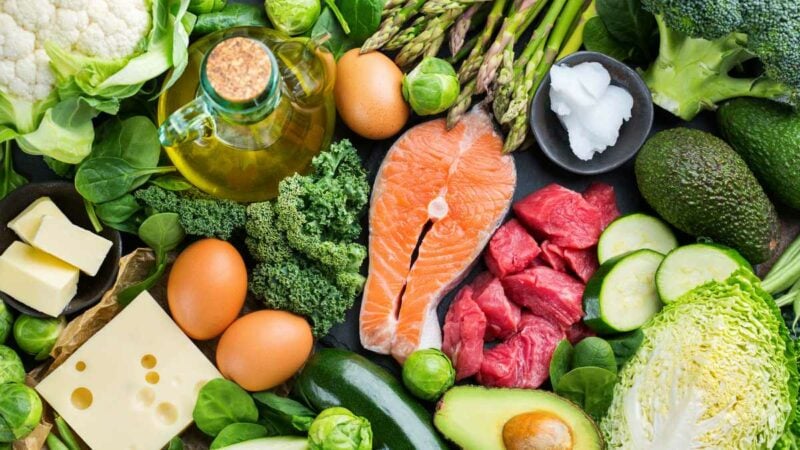
To successfully adhere to a keto diet, it is crucial to be mindful of food choices. Foods that are high in carbohydrates, such as grains, sugars, and most fruits, are generally restricted. Instead, individuals are encouraged to consume healthy fats, non-starchy vegetables, and moderate amounts of protein. This dietary shift not only aids in weight loss but also has been linked to various health benefits, including improved blood sugar control and reduced inflammation.
In addition to macronutrient ratios, the quality of food consumed plays a significant role in the effectiveness of the keto diet. Whole, unprocessed foods are preferred over processed alternatives, as they tend to be more nutrient-dense and free from additives that could disrupt ketosis. Understanding these key principles is essential for anyone looking to embark on a successful ketogenic journey.
Lastly, it’s important to note that individual responses to the keto diet can vary. Factors such as age, gender, activity level, and overall health can influence how one’s body reacts to carbohydrate restriction. Therefore, it is advisable to consult with a healthcare professional or a registered dietitian before making significant dietary changes.
Nutritional Profile of Pickles: Carbs, Fats, and Proteins
Pickles, typically made from cucumbers that have been fermented or pickled in vinegar, offer a unique flavor and crunch that many people enjoy. When evaluating their nutritional profile, it is essential to consider their carbohydrate content, as this is a primary concern for those following a keto diet. On average, a medium-sized pickle contains about 1-2 grams of carbohydrates. This low carbohydrate content makes pickles a potentially suitable snack or condiment for those adhering to a ketogenic lifestyle.
In addition to carbohydrates, pickles are virtually fat-free and contain minimal protein, making them predominantly a source of flavor rather than a significant source of macronutrients. However, they do provide some micronutrients, including vitamin K, which is essential for blood clotting and bone health. The presence of electrolytes such as sodium can also be beneficial for individuals on a keto diet, as they may experience electrolyte imbalances during the initial stages of carbohydrate restriction.
Another important aspect to consider is the type of pickles consumed. While traditional dill pickles are often low in carbohydrates, sweet pickles or those made with added sugars can significantly increase their carb content, making them less suitable for a keto diet. Therefore, it is crucial to read labels and choose pickles that align with keto principles.
Overall, the nutritional profile of pickles indicates that they can be a low-carb option, but careful selection is necessary to ensure they fit within the guidelines of a ketogenic diet.
The Role of Fermented Foods in a Keto Diet
Fermented foods, including pickles, play a significant role in promoting gut health and enhancing digestion. The fermentation process produces beneficial probiotics, which are live bacteria that can support a healthy gut microbiome. A balanced gut microbiome is essential for overall health, as it can influence digestion, immune function, and even mental well-being.
In the context of a keto diet, incorporating fermented foods can be particularly advantageous. The low carbohydrate content of these foods aligns well with the dietary restrictions of keto, while their probiotic properties can aid in mitigating some common digestive issues that may arise during the transition to a low-carb lifestyle. For instance, some individuals may experience gastrointestinal discomfort, such as bloating or constipation, when first adopting a ketogenic diet. Consuming fermented foods like pickles may help alleviate these symptoms.
Moreover, the presence of probiotics in fermented foods has been linked to improved metabolic health. Some studies suggest that probiotics can enhance insulin sensitivity and regulate blood sugar levels, which is crucial for individuals following a keto diet. By promoting a healthy gut environment, fermented foods may also support weight loss efforts and contribute to overall well-being.
However, it is essential to choose fermented foods that do not contain added sugars or high-carb ingredients. Traditional pickles, particularly those made through natural fermentation, are ideal options for those seeking to benefit from the probiotic properties of fermented foods while adhering to a keto diet.
Evaluating Pickles: Are They Keto-Friendly Options?
When assessing whether pickles are keto-friendly, it is vital to consider their carbohydrate content, preparation methods, and any added ingredients. As previously mentioned, most dill pickles contain only 1-2 grams of carbohydrates per serving, making them suitable for a keto diet when consumed in moderation. However, individuals should be cautious of pickles that are sweetened or contain high-carb ingredients, as these can quickly add up and disrupt ketosis.
Additionally, the sodium content in pickles is another factor to consider. While sodium is an essential electrolyte, excessive intake can lead to health issues such as hypertension. For those on a keto diet, the risk of electrolyte imbalances can be heightened due to reduced carbohydrate intake. Therefore, while pickles can provide a source of sodium, it is essential to consume them mindfully and balance them with other sources of electrolytes.
Another consideration is the serving size. While pickles are low in carbohydrates, consuming large quantities can still contribute to overall carb intake. It is advisable to limit portions and incorporate pickles as a condiment or side rather than the main component of a meal. This approach allows individuals to enjoy the flavor and crunch of pickles without exceeding their carbohydrate limits.
In summary, when chosen wisely and consumed in moderation, pickles can indeed be a keto-friendly option. Their low carbohydrate content, combined with their potential health benefits, makes them a valuable addition to a ketogenic meal plan.
Potential Health Benefits of Pickles on a Keto Diet
Incorporating pickles into a keto diet can offer several health benefits beyond their low carbohydrate content. One of the most notable advantages is their potential to support hydration and electrolyte balance. As individuals transition to a ketogenic lifestyle, they may experience increased water loss and electrolyte depletion. The sodium found in pickles can help replenish these electrolytes, which is particularly important for maintaining optimal bodily functions.
Furthermore, the probiotics present in fermented pickles can enhance gut health. A healthy gut microbiome is essential for digestion, immune function, and overall well-being. By consuming pickles, individuals can introduce beneficial bacteria into their digestive system, potentially improving nutrient absorption and reducing gastrointestinal discomfort.
Pickles are also low in calories, making them an excellent option for those looking to manage their weight. They can be used as a flavorful addition to meals or snacks without significantly increasing caloric intake. This can be particularly beneficial for individuals on a keto diet who are aiming for a caloric deficit to promote weight loss.
Lastly, the vinegar used in pickling can have additional health benefits. Vinegar has been shown to help regulate blood sugar levels and may contribute to improved insulin sensitivity. For those following a keto diet, maintaining stable blood sugar levels is crucial for managing cravings and sustaining energy levels throughout the day.
Practical Tips for Including Pickles in Keto Meal Plans
To effectively include pickles in a keto meal plan, it is essential to choose the right type of pickles. Opt for dill pickles or naturally fermented varieties that do not contain added sugars. Always check the nutrition label to ensure that the carb content aligns with your dietary goals.
Incorporating pickles into meals can be both creative and satisfying. They can be used as a topping for salads, sandwiches (using low-carb bread or lettuce wraps), or served alongside protein-rich foods like grilled meats and cheeses. Pickles can also enhance the flavor of keto-friendly dishes, adding a tangy crunch that complements various flavors.
For those who enjoy snacking, pickles can serve as a delightful low-carb option. Pairing pickles with high-fat dips, such as guacamole or cream cheese, can create a satisfying snack that aligns with keto principles. Additionally, pickles can be incorporated into charcuterie boards, providing a flavorful contrast to meats and cheeses.
Lastly, consider making homemade pickles to control the ingredients and ensure they fit your dietary needs. Homemade pickles can be customized with various herbs and spices, allowing for unique flavors while avoiding unwanted additives. This approach not only enhances the enjoyment of pickles but also ensures they remain a healthy component of your keto diet.
Conclusions:
In conclusion, pickles can be a keto-friendly option when chosen wisely and consumed in moderation. Their low carbohydrate content, potential health benefits, and versatility make them a valuable addition to a ketogenic meal plan. By understanding the principles of the keto diet and being mindful of the types of pickles consumed, individuals can enjoy these tangy treats while staying on track with their dietary goals. As with any food, moderation and quality are key to maximizing the benefits of pickles within a ketogenic lifestyle.
Read more
- Healthline – The Ketogenic Diet: A Detailed Beginner’s Guide to Keto – A comprehensive overview of the ketogenic diet, its principles, and guidelines.
- Medical News Today – What Are Pickles? – An article discussing the nutritional benefits and potential health effects of pickles.
- Verywell Fit – The Health Benefits of Fermented Foods – Insights into the health benefits of fermented foods, including their role in gut health.
- KetoDiet Blog – Are Pickles Keto-Friendly? – A detailed examination of pickles and their compatibility with the ketogenic diet.
- Cleveland Clinic – The Benefits of Probiotics – An overview of probiotics and their health benefits, particularly in relation to gut health.