

Introduction:
The ketogenic diet, often referred to as the keto diet, has gained immense popularity in recent years for its potential to promote weight loss and improve metabolic health. This high-fat, low-carbohydrate eating plan encourages the body to enter a state of ketosis, where it burns fat for fuel instead of carbohydrates. As with any dietary regimen, questions arise about what foods can be included, particularly when it comes to comforting dishes like soup. This article will explore the compatibility of soup with the keto diet, examining the principles of keto, the nutritional components of soups, and how to make informed choices when selecting or preparing soups.
Understanding the Keto Diet: Key Principles and Guidelines
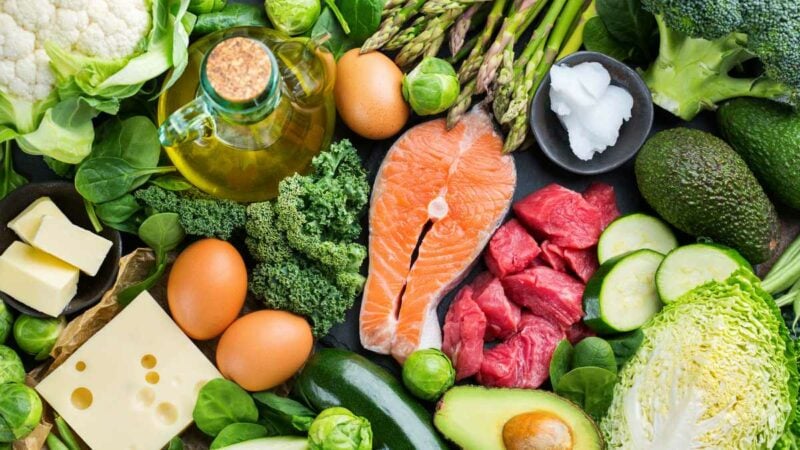
The ketogenic diet is built upon a foundation of high fat, moderate protein, and very low carbohydrates. Typically, the macronutrient ratio is around 70-75% fat, 20-25% protein, and only 5-10% carbohydrates. This drastic reduction in carbohydrate intake forces the body to utilize fat as its primary energy source, resulting in the production of ketones. The primary goal of this dietary approach is to achieve and maintain a state of ketosis, which can lead to various health benefits, including weight loss, improved mental clarity, and enhanced energy levels.
To successfully follow a keto diet, it’s essential to track not only the total carbohydrate intake but also the types of carbohydrates consumed. Net carbs, which are calculated by subtracting fiber from total carbohydrates, are the focus, as fiber does not significantly impact blood sugar levels. Understanding these principles is critical when considering foods like soup, which can vary widely in their carbohydrate content based on ingredients and preparation methods.
Another important aspect of the keto diet is the quality of fats consumed. Emphasis should be placed on healthy fats, such as those found in avocados, nuts, seeds, and olive oil, while avoiding trans fats and highly processed oils. This focus on quality extends to all food choices, including soups, where the type of fat used can significantly affect the overall healthfulness of the dish.
Lastly, hydration is often overlooked in the keto diet. As the body shifts to burning fat for fuel, it tends to excrete more water and electrolytes. Therefore, incorporating hydrating foods, including broth-based soups, can be beneficial for maintaining electrolyte balance and overall hydration levels. Understanding these key principles sets the stage for evaluating whether soup can fit into a keto lifestyle.
Nutritional Components of Soups: Carbs, Fats, and Proteins
Soups can be a versatile addition to any diet, but their nutritional components vary significantly based on the ingredients used. In a keto context, it’s crucial to assess the carbohydrate, fat, and protein content of soups to ensure they align with dietary goals. Traditional soups often include starchy vegetables like potatoes, corn, or beans, which can contribute to a higher carbohydrate count, making them unsuitable for a keto diet.
On the other hand, soups can also be rich in healthy fats and proteins, especially when made with fatty cuts of meat, cream, or cheese. For example, a creamy chicken soup made with heavy cream and shredded chicken can provide a satisfying meal that adheres to keto guidelines. Understanding the balance of these macronutrients is essential for creating or selecting soups that fit within the keto framework.
Moreover, the fiber content of soups should not be overlooked. While fiber is technically a carbohydrate, it is not digested by the body in the same way as other carbs. Soups that include non-starchy vegetables like spinach, kale, or zucchini can provide valuable fiber without significantly impacting net carb counts. This inclusion can enhance the nutritional profile of the soup while also aiding digestion and promoting satiety.
Lastly, the method of preparation can also influence the nutritional components of soup. For instance, using bone broth as a base can add not only flavor but also beneficial nutrients and collagen, which are advantageous for gut health and joint support. By understanding the nutritional components of soups, keto dieters can make informed choices that align with their dietary goals.
Evaluating Soup Ingredients: What to Avoid on Keto
When it comes to soups on a keto diet, ingredient selection is paramount. Certain ingredients should be avoided to maintain the low carbohydrate intake that is essential for ketosis. Starchy vegetables such as potatoes, carrots, corn, and peas are common culprits that can quickly elevate the carb content of a soup. Instead, opting for low-carb vegetables like broccoli, cauliflower, and leafy greens can keep the soup within keto-friendly limits.
In addition to starchy vegetables, many pre-packaged soups contain added sugars and preservatives that can significantly increase carbohydrate counts. These hidden sugars can come from sources like sauces, broths, or flavor enhancers, making it crucial to read labels carefully. Homemade soups offer a better alternative, allowing for complete control over the ingredients used.
Another ingredient to watch out for is legumes, including beans and lentils, which are often included in traditional soups for protein and fiber. However, these can also contribute a considerable amount of carbohydrates, making them unsuitable for a keto diet. Instead, consider using meat, poultry, or seafood as the primary protein source in soups to maintain a low carb count.
Lastly, dairy products can be both a friend and foe in a keto diet. While full-fat dairy products like heavy cream and cheese can enhance the richness of a soup, low-fat or non-fat dairy options often contain added sugars and carbohydrates. Therefore, it’s important to choose high-fat dairy options that align with keto principles while avoiding those that may compromise carbohydrate limits.
Low-Carb Soup Recipes: Options for Keto Enthusiasts
For those following a keto diet, there are numerous delicious low-carb soup recipes that can satisfy cravings while adhering to dietary guidelines. One popular option is creamy cauliflower soup, which blends roasted cauliflower with heavy cream, garlic, and spices for a rich and satisfying dish. This soup is not only low in carbs but also packed with flavor, making it a favorite among keto enthusiasts.
Another excellent choice is chicken and spinach soup. This recipe utilizes shredded chicken, fresh spinach, and a flavorful broth, often enhanced with herbs and spices. The combination of protein from the chicken and the fiber from the spinach creates a nutrient-dense meal that is both filling and compliant with keto principles.
For those craving a classic, keto-friendly chili can be made using ground beef or turkey, diced tomatoes, and a variety of spices. By omitting beans and corn, this chili remains low in carbohydrates while still delivering a hearty and satisfying meal. Topping it with cheese or avocado can add healthy fats and additional flavor.
Lastly, mushroom soup is another great option. By sautéing mushrooms in butter and blending them with broth and cream, you can create a decadent soup that is low in carbs and high in flavor. Adding herbs like thyme or rosemary can elevate the taste while keeping the dish keto-friendly. These recipes illustrate that soups can be both enjoyable and compliant with a ketogenic lifestyle.
The Role of Broths and Stocks in a Keto Diet
Broths and stocks are fundamental components of many soups and can play a significant role in a keto diet. They serve as a flavorful base that can enhance the taste and nutritional profile of various dishes. Bone broth, in particular, is highly regarded for its health benefits, including its rich content of collagen, amino acids, and minerals. These nutrients can support joint health, gut health, and overall well-being, making bone broth a valuable addition to a keto meal plan.
In addition to their nutritional benefits, broths and stocks are typically low in carbohydrates, making them an ideal choice for keto dieters. They can be used as a base for soups, stews, and sauces, providing depth of flavor without compromising carbohydrate limits. When choosing or making broths, it’s essential to opt for those without added sugars or preservatives, ensuring they align with keto principles.
Furthermore, broths can also aid in hydration, which is crucial for individuals on a ketogenic diet. As the body transitions into ketosis, it tends to excrete more water and electrolytes. Consuming broth-based soups can help replenish these lost fluids and maintain electrolyte balance, supporting overall health during the dietary transition.
Lastly, the versatility of broths allows for endless culinary creativity. They can be flavored with herbs, spices, and aromatics to suit personal preferences, making it easy to create a variety of soups that cater to different tastes while remaining keto-friendly. By incorporating broths and stocks into meal planning, keto dieters can enjoy flavorful and nourishing soups that support their dietary goals.
Conclusions:
Incorporating soup into a ketogenic lifestyle is not only possible but can also be enjoyable and beneficial. By understanding the principles of the keto diet and evaluating the nutritional components of soups, individuals can make informed choices that align with their dietary goals. Avoiding high-carb ingredients, opting for low-carb recipes, and utilizing broths and stocks can enhance the overall experience of enjoying soup while maintaining ketosis. With a variety of delicious low-carb soup options available, keto enthusiasts can savor comforting meals without compromising their dietary principles.
Read more
- Keto Diet Basics – A comprehensive overview of the ketogenic diet, its principles, and potential benefits.
- Understanding Net Carbs – An informative guide on how to calculate net carbs and why they matter for a keto diet.
- Low-Carb Soup Recipes – A collection of delicious low-carb soup recipes suitable for keto dieters.
- Benefits of Bone Broth – An article discussing the health benefits of bone broth and its role in a keto diet.
- Keto-Friendly Ingredients – A resource detailing keto-friendly ingredients and what to avoid for a successful ketogenic lifestyle.