

Introduction:
The ketogenic diet, commonly known as the keto diet, has gained immense popularity in recent years for its potential to promote weight loss and improve metabolic health. This low-carbohydrate, high-fat diet encourages the body to enter a state of ketosis, where it burns fat for fuel instead of carbohydrates. As individuals embark on this dietary journey, they often wonder about the role of specific foods, particularly eggs, in their meal plans. This article will explore how many eggs can be consumed on a keto diet, while also examining the nutritional benefits, potential risks, and practical ways to incorporate eggs into daily meals.
Understanding the Keto Diet and Its Nutritional Guidelines
The ketogenic diet is characterized by a significant reduction in carbohydrate intake, typically around 5-10% of total daily calories, while increasing fat intake to about 70-75%. This shift in macronutrient ratios forces the body to adapt to burning fat as its primary energy source. Protein intake is moderate, usually comprising about 20-25% of total calories. This unique dietary approach has been linked to various health benefits, including weight loss, improved blood sugar control, and enhanced mental clarity.
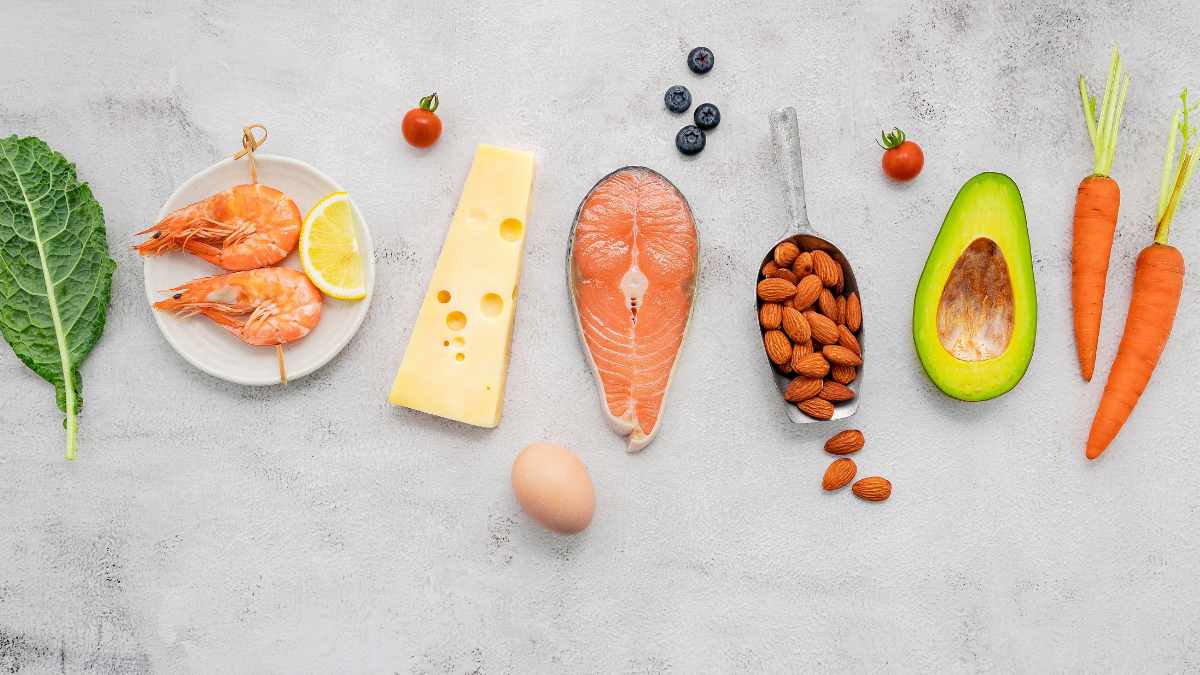
To successfully follow a keto diet, it is essential to focus on whole, nutrient-dense foods. This includes healthy fats from sources like avocados, nuts, seeds, and oils, as well as moderate amounts of protein from meat, fish, and dairy. Carbohydrate sources are limited to non-starchy vegetables and low-sugar fruits. Understanding these guidelines is crucial for individuals looking to optimize their health while adhering to the keto lifestyle.
The role of eggs in the keto diet cannot be overstated. They are not only a versatile food but also align perfectly with the macronutrient ratios required for ketosis. Eggs are low in carbohydrates and high in healthy fats and protein, making them an ideal choice for those on a ketogenic regimen. Additionally, eggs are relatively inexpensive and easy to prepare, further enhancing their appeal.
As individuals begin to incorporate eggs into their diet, they often seek guidance on how many eggs are appropriate to consume daily. This inquiry is essential for both nutritional balance and overall dietary satisfaction.
The Role of Eggs in a Ketogenic Diet: A Nutritional Overview
Eggs are often considered a superfood in the context of the keto diet due to their impressive nutrient profile. A large egg contains approximately 6 grams of protein, 5 grams of fat, and less than 1 gram of carbohydrates. This composition makes eggs an excellent source of energy while keeping carbohydrate intake to a minimum. Furthermore, eggs are rich in essential nutrients such as vitamins A, D, E, B12, and minerals like selenium and choline, which are vital for various bodily functions.
Choline, in particular, is noteworthy as it plays a crucial role in brain health and metabolism. Many people do not consume enough choline, making eggs an important dietary source. The combination of high-quality protein and healthy fats in eggs can also promote satiety, helping individuals feel fuller for longer periods and potentially aiding in weight management.
Moreover, the versatility of eggs allows for a wide range of culinary applications. They can be boiled, scrambled, poached, or used in baking, making them a staple in many keto meal plans. This adaptability not only enhances the enjoyment of meals but also encourages adherence to the diet.
Despite their numerous benefits, it is essential to consider individual dietary needs and preferences when determining the role of eggs in a keto diet. Some individuals may have dietary restrictions or allergies that limit their egg consumption, while others may choose to include them as a primary protein source.
Recommended Daily Egg Intake for Keto Dieters Explained
While there is no one-size-fits-all answer to how many eggs one can eat on a keto diet, most nutritionists suggest that consuming 1 to 3 eggs per day is a reasonable guideline for most individuals. This range allows for adequate protein and fat intake while minimizing the risk of potential negative health effects associated with excessive egg consumption.
For those who are physically active or looking to build muscle, increasing egg intake may be beneficial. In such cases, consuming up to 6 eggs per day can provide the necessary protein and nutrients to support recovery and muscle growth. However, it is essential to balance this with other protein sources to ensure a well-rounded diet.
Individuals with specific health concerns, such as high cholesterol or heart disease, should consult with a healthcare provider before significantly increasing their egg consumption. While recent studies have shown that dietary cholesterol may not have as significant an impact on blood cholesterol levels as once thought, it is still wise to approach egg consumption with caution for those at risk.
Ultimately, the key is to listen to your body and adjust your egg intake based on your individual health goals, activity level, and dietary preferences. Keeping a food diary can also help track how your body responds to different levels of egg consumption.
Nutritional Benefits of Eggs: Protein, Fats, and Vitamins
Eggs are often praised for their high-quality protein content. Protein is essential for building and repairing tissues, and it plays a vital role in the production of enzymes and hormones. The protein found in eggs is complete, meaning it contains all nine essential amino acids that the body cannot produce on its own. This makes eggs an excellent choice for those looking to maintain or build muscle mass while following a ketogenic diet.
In addition to protein, eggs are an excellent source of healthy fats. The fat in eggs is primarily unsaturated, which is beneficial for heart health. These fats can help improve cholesterol levels and reduce the risk of heart disease when consumed in moderation. Moreover, the presence of omega-3 fatty acids in eggs, particularly those from pasture-raised or omega-3 enriched varieties, can provide additional health benefits, including anti-inflammatory properties.
Vitamins and minerals found in eggs contribute to overall health and well-being. For example, vitamin D is crucial for bone health and immune function, while vitamin B12 is essential for nerve health and the production of red blood cells. The antioxidants lutein and zeaxanthin found in egg yolks are beneficial for eye health, potentially reducing the risk of age-related macular degeneration.
Incorporating eggs into a keto diet not only provides essential nutrients but also enhances the overall flavor and texture of meals. Whether used in breakfast dishes, salads, or baked goods, eggs can elevate the nutritional quality of various recipes.
Potential Risks of Excessive Egg Consumption on Keto
While eggs are a nutritious addition to a ketogenic diet, consuming them in excessive amounts can pose potential health risks. One primary concern is the high cholesterol content found in egg yolks. Although recent research suggests that dietary cholesterol may not significantly impact blood cholesterol levels for most people, individuals with certain health conditions, such as diabetes or cardiovascular disease, should be cautious about their egg intake.
Another consideration is the potential for an imbalance in nutrient intake. Relying too heavily on eggs as a primary protein source may lead to deficiencies in other essential nutrients found in different foods. A well-rounded diet should include a variety of protein sources, such as meat, fish, dairy, nuts, and legumes, to ensure adequate nutrient diversity.
Additionally, some individuals may experience digestive issues when consuming large quantities of eggs. Symptoms such as bloating, gas, or diarrhea can occur, particularly in those who are sensitive to certain proteins found in eggs. It is essential to listen to your body and adjust your egg consumption accordingly.
Finally, the method of preparation can also affect the healthfulness of eggs. Frying eggs in unhealthy oils or adding excessive amounts of cheese or processed ingredients can negate some of the health benefits. Opting for healthier cooking methods, such as poaching or baking, can help mitigate these risks.
Practical Tips for Incorporating Eggs into Your Keto Meals
Incorporating eggs into a ketogenic diet can be both enjoyable and straightforward. One practical tip is to prepare meals in advance, making it easier to include eggs in breakfast, lunch, or dinner. For example, preparing a batch of hard-boiled eggs can provide a convenient snack or addition to salads throughout the week.
Experimenting with different cooking methods can also enhance the variety of meals. Scrambled eggs, omelets, and frittatas can be customized with various low-carb vegetables, cheeses, and meats to create satisfying dishes. Additionally, using eggs in baking can provide a low-carb alternative to traditional recipes, such as keto-friendly pancakes or muffins.
Pairing eggs with healthy fats can further enhance their nutritional profile. For instance, adding avocado or olive oil to scrambled eggs can increase the intake of heart-healthy fats. Similarly, serving eggs with a side of sautéed spinach or kale can boost the meal’s vitamin and mineral content.
Lastly, consider exploring international cuisines that feature eggs prominently. Dishes like shakshuka, Japanese tamagoyaki, or Spanish tortilla can provide exciting new flavors and textures while adhering to keto guidelines. Embracing culinary creativity can make the keto journey more enjoyable and sustainable.
Conclusions:
In summary, eggs are a highly nutritious and versatile food that can play a significant role in a ketogenic diet. While the general recommendation is to consume 1 to 3 eggs per day, individual needs may vary based on activity level and health concerns. The nutritional benefits of eggs, including their high protein content, healthy fats, and essential vitamins, make them an excellent choice for those seeking to optimize their health on a keto diet. However, moderation is key, and individuals should be mindful of potential risks associated with excessive egg consumption. By incorporating eggs thoughtfully and creatively into meals, individuals can enjoy the many benefits they offer while adhering to their dietary goals.
Read more
- Keto Diet Basics – A comprehensive overview of the ketogenic diet, its principles, and health benefits.
- Egg Nutrition Facts – Detailed nutritional information about eggs, including macronutrient breakdown and vitamins.
- Cholesterol and Eggs – An article discussing the relationship between dietary cholesterol and health, particularly in relation to eggs.
- Keto-Friendly Recipes with Eggs – A collection of delicious and easy-to-make keto recipes that feature eggs as a primary ingredient.
- The Benefits of Eggs – An article detailing the numerous health benefits associated with egg consumption.