

Introduction:
Reaching a state of ketosis within 24 hours may seem like a daunting task, but with the right strategies, it is achievable. Ketosis is a metabolic state where the body shifts from using carbohydrates as its primary energy source to utilizing fats, resulting in the production of ketones. This article will explore the biochemical basis of ketosis, dietary strategies to facilitate rapid entry, the role of intermittent fasting, hydration and electrolyte management, effective exercise protocols, and monitoring techniques to ensure success.
Understanding Ketosis: The Biochemical Basis Explained
Ketosis occurs when the body experiences a significant reduction in carbohydrate intake, leading to decreased levels of glucose. Under normal circumstances, glucose is the primary source of energy for the body. However, when carbohydrates are scarce, the liver begins to convert fatty acids into ketones, which can be utilized by the brain and other tissues as an alternative energy source. This biochemical shift not only promotes fat burning but also has implications for weight loss and metabolic health.
The process of entering ketosis involves several hormonal changes, particularly in insulin and glucagon levels. Insulin, a hormone responsible for regulating blood sugar levels, decreases when carbohydrate intake is restricted. This reduction allows for increased lipolysis, the breakdown of fat stores into free fatty acids. Simultaneously, glucagon levels rise, promoting the conversion of these fatty acids into ketones. The balance between these hormones is crucial for achieving and maintaining ketosis.
In addition to hormonal regulation, the presence of certain enzymes plays a vital role in the ketogenesis process. Enzymes such as HMG-CoA synthase and HMG-CoA lyase are involved in the conversion of acetoacetate into beta-hydroxybutyrate and acetone, the primary ketone bodies. Understanding these biochemical pathways is essential for anyone looking to optimize their approach to reaching ketosis quickly.
Finally, the effects of ketosis extend beyond mere fat burning. Research has shown that ketones can provide neuroprotective benefits, enhance cognitive function, and even improve athletic performance. These advantages make ketosis an appealing metabolic state for many individuals seeking to improve their overall health and well-being.
Dietary Strategies: Foods to Consume for Rapid Ketosis
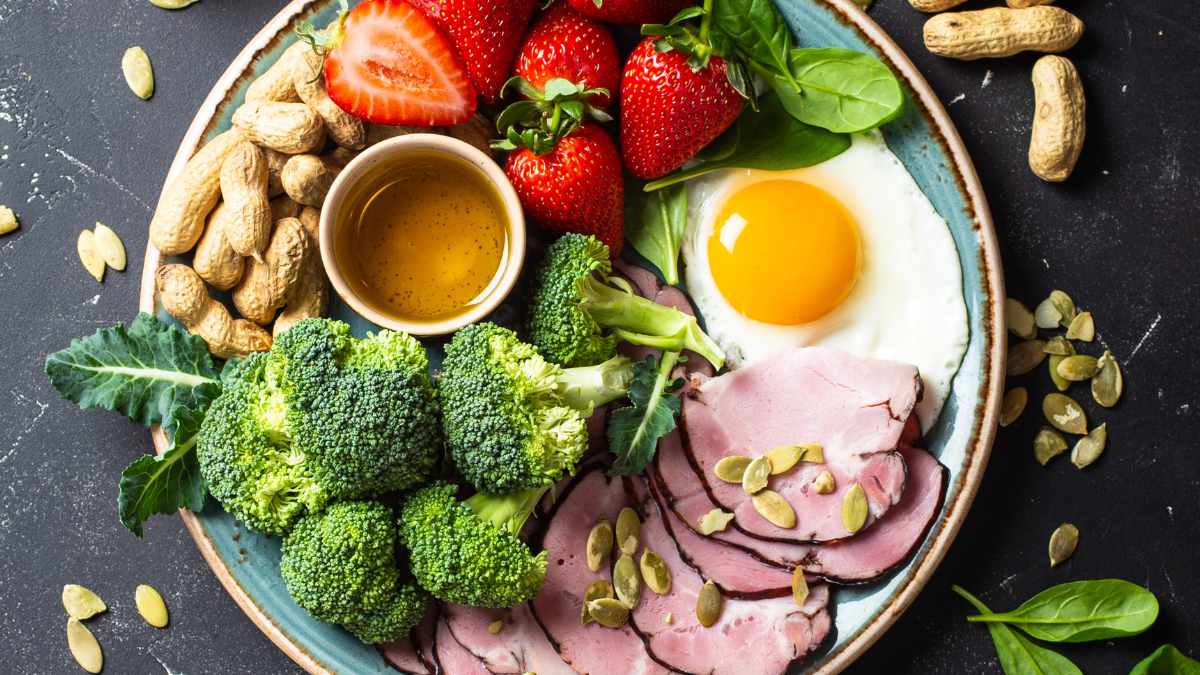
To achieve ketosis within a short time frame, dietary choices are paramount. The primary goal is to minimize carbohydrate intake while maximizing healthy fats and moderate protein consumption. Foods that are high in fats, such as avocados, nuts, seeds, olive oil, and fatty fish, should be prioritized. These foods provide the necessary energy while keeping carbohydrate levels low, facilitating the transition into ketosis.
In addition to healthy fats, it is important to include low-carbohydrate vegetables in your diet. Leafy greens, broccoli, cauliflower, and zucchini are excellent choices that provide essential vitamins and minerals without significantly impacting carbohydrate intake. These vegetables can help maintain overall health while supporting the body’s transition into ketosis.
Another critical aspect of dietary strategies is the timing of meals. Eating smaller, more frequent meals that are high in fats and low in carbohydrates can help stabilize blood sugar levels and promote ketosis. Additionally, incorporating foods that are rich in medium-chain triglycerides (MCTs), such as coconut oil, can accelerate ketone production, making it easier to reach ketosis quickly.
Lastly, it is essential to avoid hidden carbohydrates often found in processed foods, sauces, and dressings. Reading labels carefully and opting for whole, unprocessed foods can significantly enhance your chances of entering ketosis within 24 hours. Keeping a food diary can also help track macronutrient intake and ensure adherence to a ketogenic diet.
Intermittent Fasting: A Key Technique for Accelerating Ketosis
Intermittent fasting (IF) is a powerful tool that can significantly accelerate the process of entering ketosis. By restricting eating to specific time windows, the body is encouraged to deplete its glycogen stores more rapidly. This depletion is crucial for transitioning into ketosis, as it forces the body to rely on fat stores for energy.
There are various methods of intermittent fasting, including the 16/8 method, where individuals fast for 16 hours and eat within an 8-hour window. This approach not only helps in reducing overall calorie intake but also enhances the body’s ability to enter ketosis quickly. During the fasting period, insulin levels drop, promoting fat oxidation and ketone production.
Additionally, extending the fasting period to 24 hours or longer can further enhance the state of ketosis. Some individuals may choose to implement a 24-hour fast once or twice a week to boost their metabolic flexibility and improve their body’s response to fat utilization. However, it is essential to listen to your body and ensure that fasting is done safely and sustainably.
Combining intermittent fasting with a ketogenic diet can yield synergistic effects, allowing for a more efficient transition into ketosis. This combination not only promotes fat loss but also enhances mental clarity and energy levels, making it an appealing strategy for those seeking rapid results.
Hydration and Electrolyte Management During Ketosis
Proper hydration and electrolyte management are critical components of successfully reaching and maintaining ketosis. As the body transitions into ketosis, it tends to excrete more water and electrolytes due to lower insulin levels. This diuretic effect can lead to dehydration and an imbalance of essential electrolytes, such as sodium, potassium, and magnesium.
To mitigate these effects, it is crucial to increase water intake during the initial stages of ketosis. Staying well-hydrated not only supports metabolic processes but also helps alleviate symptoms commonly associated with the "keto flu," such as fatigue, headaches, and muscle cramps. Aim to drink at least 2-3 liters of water daily, adjusting based on individual needs and activity levels.
In addition to hydration, replenishing electrolytes is vital for maintaining optimal bodily functions. Incorporating foods rich in potassium, such as avocados and leafy greens, can help balance electrolyte levels. Additionally, consider using electrolyte supplements or adding a pinch of salt to your meals to ensure adequate sodium intake.
Monitoring your body’s response to hydration and electrolyte levels is essential. Symptoms such as dizziness, muscle cramps, or fatigue may indicate an imbalance, prompting the need for adjustments in fluid and electrolyte intake. By prioritizing hydration and electrolyte management, individuals can enhance their chances of successfully entering and sustaining ketosis.
Exercise Protocols: Enhancing Ketone Production Effectively
Incorporating exercise into your routine can significantly enhance ketone production and facilitate a quicker transition into ketosis. Physical activity, particularly high-intensity interval training (HIIT) and resistance training, can help deplete glycogen stores more rapidly, prompting the body to switch to fat metabolism for energy.
Engaging in aerobic exercises, such as running, cycling, or swimming, can also accelerate ketone production. These activities increase the demand for energy, leading to a faster depletion of glycogen and a quicker shift towards fat utilization. Aim for at least 30 minutes of moderate to high-intensity exercise daily to maximize the benefits.
Moreover, incorporating strength training can help build lean muscle mass, which in turn increases the basal metabolic rate. A higher metabolic rate means that the body will burn more calories at rest, further promoting fat loss and supporting the transition into ketosis.
It is essential to listen to your body during this process. While exercise is beneficial, overtraining can lead to fatigue and hinder progress. Striking a balance between physical activity and adequate recovery is crucial for optimizing ketone production and achieving ketosis efficiently.
Monitoring Ketosis: Tools and Techniques for Success
Monitoring your state of ketosis is essential for ensuring that you are on the right track. Several tools and techniques can help you assess your ketone levels effectively. One of the most popular methods is using ketone test strips, which can measure the presence of ketones in urine. While this method is convenient and cost-effective, it may not always provide the most accurate readings, especially in the early stages of ketosis.
For a more precise measurement, consider using a blood ketone meter. This device measures the concentration of beta-hydroxybutyrate in the blood, providing a reliable indication of ketosis. Regularly testing your ketone levels can help you understand how your body responds to dietary changes and exercise, allowing for necessary adjustments to optimize your approach.
Another effective way to monitor progress is by tracking physical symptoms associated with ketosis. Many individuals report increased energy levels, improved mental clarity, and reduced hunger when in ketosis. Keeping a journal of these symptoms can provide valuable insights into your metabolic state and overall well-being.
Finally, utilizing mobile applications designed for tracking macronutrient intake can help ensure adherence to a ketogenic diet. These apps allow you to log food intake, monitor ketone levels, and set goals, making it easier to stay on track and achieve your desired results.
Conclusions:
Reaching ketosis within 24 hours is a realistic goal with the right strategies in place. By understanding the biochemical basis of ketosis, implementing effective dietary strategies, utilizing intermittent fasting, managing hydration and electrolytes, engaging in appropriate exercise protocols, and monitoring progress, individuals can successfully transition into this metabolic state. As with any dietary approach, it is essential to listen to your body and make adjustments as needed to ensure a sustainable and healthy journey into ketosis.
Read more
- Keto Diet Basics – A comprehensive overview of the ketogenic diet, its benefits, and how to get started.
- Intermittent Fasting Explained – An in-depth look at various intermittent fasting methods and their health benefits.
- Understanding Ketosis – A scientific article discussing the metabolic processes involved in ketosis.
- Electrolytes and Hydration – A study on the importance of hydration and electrolyte balance during dietary changes.
- Exercise and Ketosis – Research on how physical activity influences ketone production and metabolic health.