

Se hai un abbonamento attivo ACCEDI QUI
Introduction:
The ketogenic diet has gained significant popularity in recent years, primarily due to its potential for weight loss and improved metabolic health. This high-fat, low-carbohydrate eating plan encourages the body to enter a state of ketosis, wherein it burns fat for fuel instead of carbohydrates. As individuals explore various food options that align with this diet, many wonder whether almond milk is a suitable choice. This article will delve into the compatibility of almond milk with the keto diet, examining its nutritional profile, its effects on ketosis, and practical tips for incorporating it into keto meals.
Understanding the Keto Diet: Key Principles and Guidelines
The ketogenic diet is fundamentally centered around drastically reducing carbohydrate intake while increasing the consumption of fats. Typically, the macronutrient breakdown for a standard keto diet is approximately 70-75% fats, 20-25% proteins, and only 5-10% carbohydrates. The primary goal is to shift the body’s metabolism from relying on glucose derived from carbohydrates to utilizing ketones produced from fat breakdown.
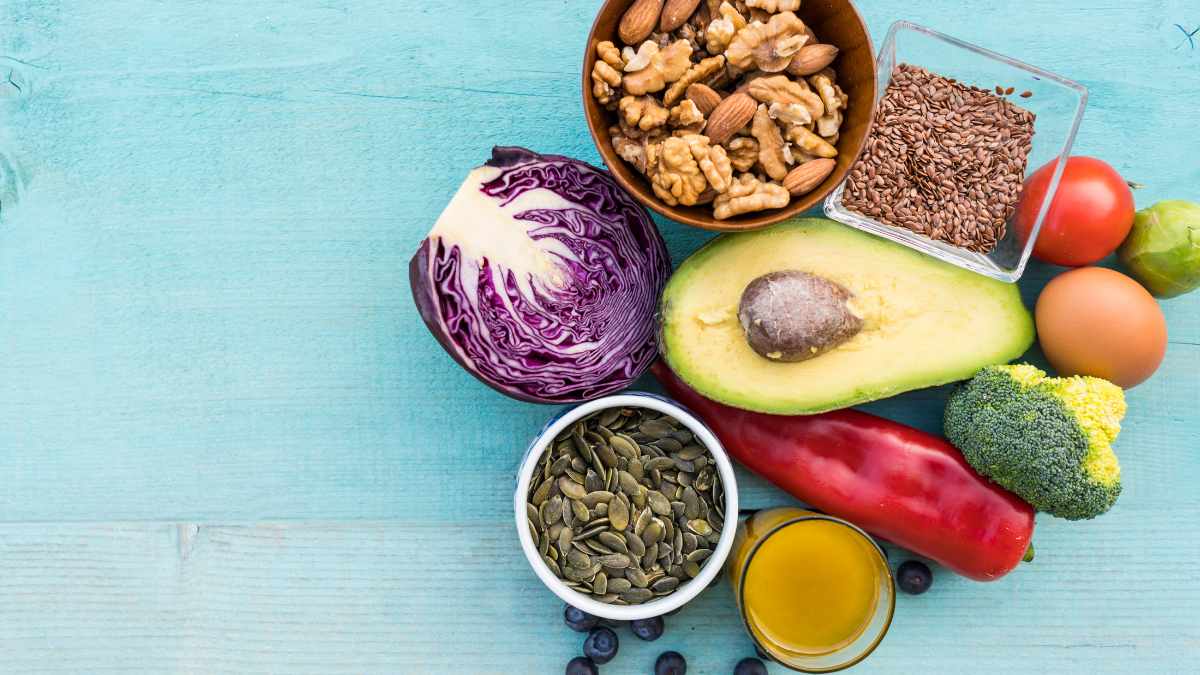
To achieve and maintain ketosis, individuals must be diligent about their food choices, avoiding high-carb foods such as grains, sugars, and starchy vegetables. Instead, they focus on high-fat foods like avocados, nuts, seeds, and oils. Protein sources are also important, but they should be consumed in moderation to prevent gluconeogenesis, a process where excess protein is converted to glucose, potentially disrupting ketosis.
Understanding the importance of net carbs is crucial for those on a keto diet. Net carbs are calculated by subtracting fiber and certain sugar alcohols from total carbohydrates, as these do not significantly impact blood sugar levels. This concept is vital when evaluating foods like almond milk, which may contain varying amounts of carbohydrates depending on the brand and formulation.
In summary, the keto diet emphasizes a careful balance of macronutrients to promote fat burning and weight loss. As almond milk is often considered a dairy alternative, it is essential to analyze its nutritional content to determine its suitability for this low-carb lifestyle.
Nutritional Profile of Almond Milk: Carbs and Fats Explained
Almond milk is a popular plant-based milk alternative made from ground almonds and water. Its nutritional profile can vary significantly between brands, particularly between sweetened and unsweetened varieties. Unsweetened almond milk typically contains about 30-40 calories per cup, with only 1-2 grams of carbohydrates, making it an appealing option for those on a keto diet.
In terms of fat content, almond milk is relatively low in fat compared to other milk alternatives like coconut milk. Unsweetened almond milk usually contains around 2.5 grams of fat per cup, primarily derived from the almonds themselves. This fat content is predominantly unsaturated, which is beneficial for heart health. However, it is essential to note that almond milk does not provide a significant amount of protein, with only about 1 gram per cup.
When evaluating almond milk for keto purposes, the focus should be on its carbohydrate content. The low carbohydrate count in unsweetened almond milk makes it a favorable choice for those aiming to maintain ketosis. However, sweetened varieties can contain added sugars, significantly increasing their carbohydrate content and potentially hindering the keto process.
In conclusion, unsweetened almond milk offers a low-calorie, low-carb option that aligns well with the principles of the ketogenic diet. However, consumers must be cautious about the specific type of almond milk they choose, as the nutritional profile can vary widely.
Comparing Almond Milk to Dairy Milk on a Keto Diet
When comparing almond milk to traditional dairy milk, particularly whole milk, several key differences emerge that can impact those following a keto diet. Whole milk contains approximately 12 grams of carbohydrates per cup, which can quickly consume a significant portion of the daily carb allowance on a ketogenic diet. In contrast, unsweetened almond milk provides a much lower carbohydrate count, making it a more suitable option for maintaining ketosis.
Additionally, the fat content in whole milk is higher, with about 8 grams of fat per cup. While this may seem beneficial for those looking to increase their fat intake, the carbohydrate content can make it challenging to fit into a strict keto regimen. Almond milk, on the other hand, offers a lower fat content, which may not be ideal for those looking to maximize their fat intake but is still a viable option for those who prefer a lighter beverage.
Another factor to consider is the protein content. Whole milk contains about 8 grams of protein per cup, while almond milk has roughly 1 gram. For those on a keto diet who are also focused on muscle maintenance or growth, the lower protein content of almond milk may be a disadvantage. However, many keto enthusiasts prioritize fat and carbohydrate ratios over protein, making almond milk an acceptable choice.
In essence, while both almond milk and dairy milk have their pros and cons, unsweetened almond milk stands out as a lower-carb alternative that can help individuals on a keto diet avoid exceeding their carbohydrate limits while still enjoying a milk-like beverage.
Evaluating Almond Milk’s Impact on Ketosis and Blood Sugar
The primary concern for those on a ketogenic diet is maintaining a state of ketosis, which requires careful management of carbohydrate intake. Unsweetened almond milk, with its low carbohydrate content, is unlikely to disrupt ketosis when consumed in moderation. In fact, the low glycemic index of almond milk means it has a minimal impact on blood sugar levels, making it a suitable choice for those monitoring their glucose.
When evaluating almond milk’s effects on blood sugar, it is essential to consider the overall dietary context. Consuming almond milk as part of a balanced meal rich in healthy fats and proteins can help stabilize blood sugar levels. For example, adding almond milk to a keto smoothie with avocado, spinach, and protein powder can create a nutritious, low-carb meal that supports ketosis.
However, individuals should be cautious with flavored or sweetened almond milk varieties, as these can contain added sugars that may spike blood sugar levels and potentially kick the body out of ketosis. Always reading labels and opting for unsweetened versions is crucial for maintaining the integrity of a ketogenic diet.
In summary, unsweetened almond milk can be a valuable addition to a keto diet, as it supports ketosis and has a minimal impact on blood sugar levels. Careful selection and moderation are key to ensuring it fits within the dietary guidelines of a ketogenic lifestyle.
Recommended Almond Milk Varieties for Keto Enthusiasts
For those following a ketogenic diet, selecting the right almond milk is essential to ensure it aligns with dietary goals. Unsweetened almond milk is the most recommended variety for keto enthusiasts, as it typically contains the lowest amount of carbohydrates and calories. Brands like Califia Farms, Silk, and Blue Diamond Almonds offer unsweetened options that are widely available and generally well-received.
When choosing almond milk, it is also important to look for products fortified with vitamins and minerals, such as calcium and vitamin D. These nutrients can help compensate for the lack of these essential vitamins in a strict keto diet, which often excludes dairy and certain fortified foods. Fortified almond milk can provide additional health benefits while still adhering to low-carb guidelines.
Another consideration is the ingredient list. Opt for almond milk with minimal ingredients, ideally just almonds and water, or those that include natural stabilizers without added sugars or artificial flavors. This ensures that you are consuming a product that is both nutritious and compliant with keto principles.
Lastly, some brands offer almond milk blended with other low-carb ingredients, such as coconut or protein powder, which can enhance the flavor and nutritional profile. These varieties can be a delicious addition to smoothies or coffee, providing a creamy texture without compromising your carbohydrate intake.
In conclusion, selecting unsweetened, minimally processed almond milk that is fortified with essential nutrients is the best approach for keto enthusiasts. This choice supports both dietary goals and overall health.
Practical Tips for Incorporating Almond Milk into Keto Meals
Incorporating almond milk into a ketogenic diet can be both easy and delicious. One effective way to use almond milk is in smoothies. Combine unsweetened almond milk with low-carb fruits like berries, leafy greens, and healthy fats such as avocado or nut butter for a nutritious breakfast or snack. This combination not only keeps carbohydrate levels in check but also provides essential nutrients and healthy fats.
Another practical application of almond milk is in cooking and baking. Almond milk can serve as a substitute for dairy milk in recipes, allowing for the creation of keto-friendly dishes such as creamy soups, sauces, and baked goods. When using almond milk in cooking, it is essential to choose unsweetened varieties to maintain the desired carbohydrate content.
For those who enjoy coffee or tea, almond milk can be an excellent addition. Use it to create low-carb lattes or creamy teas, enhancing the flavor without significantly increasing carbohydrate intake. Adding a sprinkle of cinnamon or a dash of vanilla extract can elevate the taste further while keeping it keto-friendly.
Lastly, consider using almond milk in overnight oats or chia seed pudding. By combining unsweetened almond milk with chia seeds, nuts, and spices, you can create a satisfying breakfast that aligns with keto principles. Just be mindful of the portion sizes and ingredient choices to ensure you stay within your carbohydrate limits.
In summary, there are numerous ways to incorporate almond milk into a ketogenic diet, from smoothies and coffee to cooking and baking. By being mindful of the type of almond milk used and the overall meal composition, individuals can enjoy this dairy alternative without compromising their dietary goals.
Conclusions:
Almond milk can be a valuable addition to a ketogenic diet, particularly when choosing unsweetened varieties that are low in carbohydrates. Its nutritional profile, when compared to dairy milk, makes it a favorable option for those looking to maintain ketosis while enjoying a milk-like beverage. By understanding its impact on blood sugar and incorporating it thoughtfully into meals, individuals can reap the benefits of almond milk without derailing their dietary goals.
Read more:
- Keto Diet Basics – An overview of the ketogenic diet, its principles, and guidelines.
- Nutritional Profile of Almond Milk – A detailed breakdown of the nutritional content of almond milk.
- Almond Milk vs. Dairy Milk – A comparison of almond milk and dairy milk, focusing on their health implications.
- Impact of Almond Milk on Blood Sugar – A scientific exploration of how almond milk affects blood sugar levels.
- Keto-Friendly Recipes with Almond Milk – A collection of recipes that incorporate almond milk into keto meals.