

Introduction:
The ketogenic diet, commonly referred to as keto, has gained immense popularity in recent years for its potential to promote weight loss and improve metabolic health. This low-carbohydrate, high-fat dietary approach encourages the body to enter a state of ketosis, where it burns fat for fuel instead of carbohydrates. As individuals embark on their keto journey, they often find themselves questioning the suitability of various foods, including fruits. One such fruit that raises eyebrows is the banana. This article delves into the compatibility of bananas with the ketogenic diet, assessing their nutritional profile, carbohydrate content, and potential health benefits.
Understanding the Ketogenic Diet and Its Principles
The ketogenic diet primarily focuses on drastically reducing carbohydrate intake while increasing fat consumption. This macronutrient shift aims to induce ketosis, a metabolic state where the body efficiently converts fat into ketones for energy. The typical macronutrient breakdown for a keto diet consists of approximately 70-75% fats, 20-25% protein, and only about 5-10% carbohydrates. This stark reduction in carbs forces the body to adapt, often leading to rapid weight loss and improved energy levels.
One of the main principles of the ketogenic diet is to limit foods high in carbohydrates, which includes many fruits, grains, and starchy vegetables. The goal is to minimize insulin spikes and stabilize blood sugar levels. As a result, individuals on a keto diet are encouraged to focus on low-carb vegetables, healthy fats, and moderate protein sources. Understanding these principles is crucial for anyone considering the ketogenic lifestyle, as it sets the foundation for food choices.
Moreover, the diet has been linked to various health benefits beyond weight loss, including improved mental clarity, enhanced physical performance, and potential therapeutic effects for conditions such as epilepsy and type 2 diabetes. However, adherence to the diet can be challenging, especially when it comes to navigating food options that may seem healthy but are high in carbohydrates.
As individuals explore their food choices, they often wonder about the role of fruits like bananas. Given their reputation as a healthy snack, it’s essential to analyze their nutritional content and see how they fit within the strict parameters of a ketogenic diet.
Nutritional Profile of Bananas: Carbs and Fiber Content
Bananas are often celebrated for their nutritional benefits, including being a rich source of vitamins, minerals, and dietary fiber. A medium-sized banana typically contains around 27 grams of carbohydrates, of which about 3 grams are dietary fiber. This means that the net carbohydrate content is approximately 24 grams. For individuals following a strict ketogenic diet, this amount can significantly impact daily carbohydrate allowances, which are often limited to around 20-50 grams.
In addition to carbohydrates, bananas provide essential nutrients such as vitamin C, vitamin B6, and potassium. While these nutrients are beneficial for overall health, the high carbohydrate content poses a challenge for those aiming to maintain ketosis. The fiber in bananas, while important for digestive health, does not sufficiently offset the carbohydrate load for individuals on a low-carb diet.
Furthermore, the glycemic index (GI) of bananas is relatively high, meaning they can cause a rapid increase in blood sugar levels. This spike can be counterproductive for those on a ketogenic diet, as it may lead to increased insulin production and disrupt the state of ketosis. Understanding the nutritional profile of bananas is essential for making informed dietary choices while on keto.
In summary, while bananas are nutritious, their carbohydrate content and potential impact on blood sugar levels make them a less-than-ideal choice for those adhering to a strict ketogenic diet.
Assessing Banana’s Compatibility with Keto Guidelines
When assessing the compatibility of bananas with ketogenic guidelines, it is crucial to consider the overall carbohydrate intake for the day. For someone following a strict keto diet, consuming a banana could take up a significant portion of their daily carb allowance, leaving little room for other nutrient-dense foods. This limitation can make it challenging to meet nutritional needs while staying within the carb limit.
Moreover, the timing of banana consumption can also play a role. For instance, some individuals may choose to consume bananas around workout times for a quick energy boost. However, this approach may not align with the principles of a ketogenic diet, which emphasizes fat as the primary fuel source. Therefore, individuals must weigh the benefits of consuming a banana against the potential drawbacks of exceeding their carbohydrate limits.
Another consideration is the ripeness of the banana. As bananas ripen, their starches convert to sugars, increasing their carbohydrate content. A green banana may have slightly lower sugar content, but it still contains enough carbohydrates to be a concern for those on a keto diet. This variability can further complicate the decision-making process regarding banana consumption.
Ultimately, while bananas can be enjoyed in moderation by some individuals on a less restrictive low-carb diet, they are generally not recommended for those strictly adhering to ketogenic guidelines. The potential for exceeding daily carbohydrate limits makes them a questionable choice for maintaining ketosis.
The Role of Potassium in a Keto Diet: Is Banana Beneficial?
Potassium is an essential mineral that plays a crucial role in various bodily functions, including muscle contraction, nerve function, and fluid balance. One of the notable benefits of bananas is their high potassium content, with a medium banana providing approximately 422 milligrams of this vital nutrient. For individuals on a ketogenic diet, maintaining adequate potassium levels is important, especially as the body may excrete more electrolytes during the initial stages of ketosis.
However, while bananas are a convenient source of potassium, they are not the only option available. Many other foods can provide similar or even higher levels of potassium without the accompanying carbohydrates. For example, leafy greens, avocados, and nuts are all excellent sources of potassium that can easily fit into a ketogenic diet. This means that individuals can achieve their potassium needs without compromising their carb intake.
Moreover, potassium supplementation is another viable option for those concerned about their potassium levels while on a keto diet. Many individuals find that they can maintain their electrolyte balance through supplements, especially during the initial adjustment period when the body is adapting to ketosis. This approach allows for greater flexibility in food choices without the need to rely on high-carb fruits like bananas.
In conclusion, while bananas do provide potassium, their high carbohydrate content may outweigh the benefits for those strictly adhering to a ketogenic diet. Exploring alternative sources of potassium can help individuals maintain their nutritional balance while staying within their carb limits.
Alternatives to Bananas for Keto-Friendly Snacks
For those following a ketogenic diet, finding suitable snack alternatives to bananas is essential for maintaining adherence to the diet while still enjoying delicious and nutritious foods. Fortunately, there are numerous keto-friendly snacks available that can satisfy cravings without compromising carbohydrate limits.
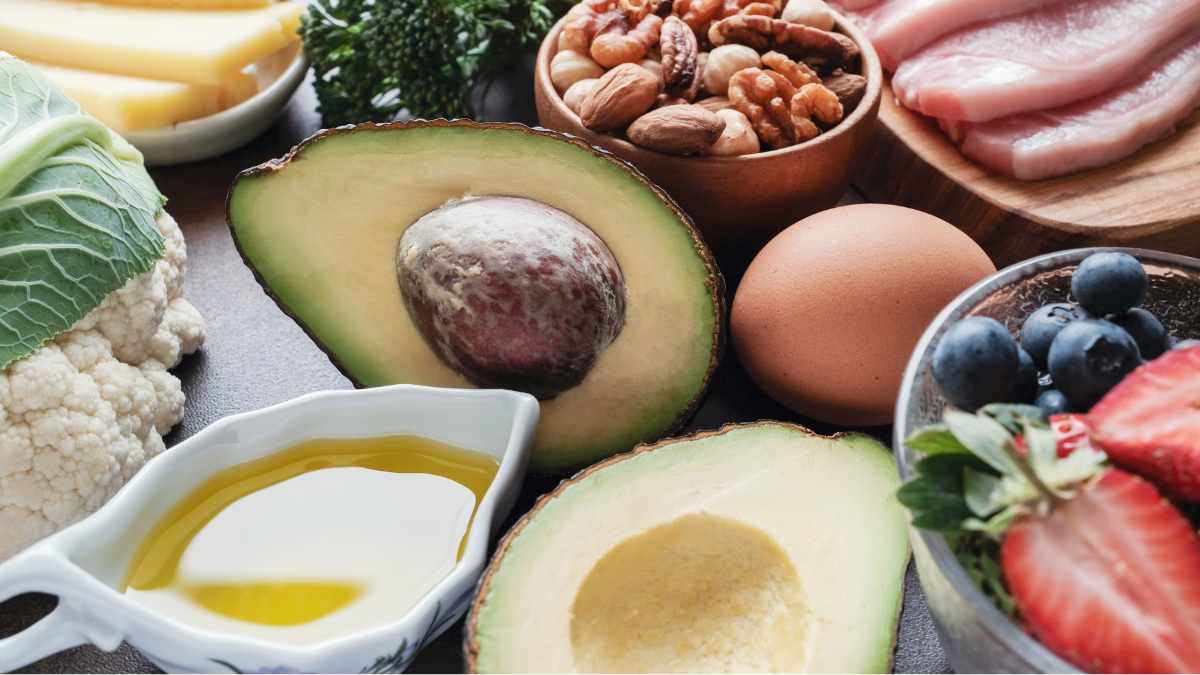
One excellent alternative is avocados. Rich in healthy fats and low in carbohydrates, avocados are an ideal snack for those on a keto diet. They can be enjoyed on their own, mashed into guacamole, or added to salads for a creamy texture. Additionally, avocados are an excellent source of potassium, making them a great substitute for bananas in terms of nutrient density.
Nuts and seeds are another fantastic option for keto-friendly snacking. Almonds, walnuts, and pumpkin seeds are low in carbs and high in healthy fats, making them perfect for keeping energy levels stable. These snacks are also rich in fiber, which can help promote satiety and support digestive health. A handful of nuts can provide a satisfying crunch without the carbohydrate load associated with bananas.
Cheese is yet another delicious alternative that fits well within a ketogenic diet. With minimal carbohydrates and high fat content, cheese can be enjoyed in various forms, such as cheese sticks, slices, or even melted in recipes. Pairing cheese with low-carb vegetables like cucumber or bell peppers can create a satisfying and nutritious snack.
In summary, while bananas may not be the best choice for those on a ketogenic diet, there are plenty of delicious alternatives available. By incorporating foods like avocados, nuts, and cheese, individuals can enjoy satisfying snacks that align with their dietary goals.
Conclusions: Should You Include Bananas on a Keto Diet?
In conclusion, while bananas are a nutritious fruit packed with vitamins and minerals, their high carbohydrate content makes them a challenging choice for those adhering to a strict ketogenic diet. With approximately 27 grams of carbohydrates in a medium banana, consuming even one can significantly impact daily carb allowances, potentially disrupting ketosis.
Furthermore, while bananas do provide potassium, there are numerous other low-carb foods that can fulfill potassium needs without the associated carbohydrate load. Avocados, leafy greens, and nuts are all excellent alternatives that can help maintain electrolyte balance while supporting overall health.
Ultimately, the decision to include bananas in a ketogenic diet depends on individual goals and carbohydrate tolerance. For those who can maintain ketosis while enjoying a banana in moderation, it may be acceptable. However, for most individuals strictly following keto guidelines, it is advisable to explore other snack options that align more closely with the diet’s principles.
Read more:
- Keto Diet Basics – A comprehensive guide to understanding the ketogenic diet and its principles.
- Nutritional Information of Bananas – Detailed nutritional profile of bananas from the USDA FoodData Central.
- Potassium and the Keto Diet – Insights on the importance of potassium in a ketogenic diet and alternative sources.
- Keto-Friendly Snacks – A list of delicious and satisfying snacks suitable for a ketogenic lifestyle.
- Bananas and Blood Sugar – An article discussing the impact of bananas on blood sugar levels and their suitability for various diets.