

Se hai un abbonamento attivo ACCEDI QUI
Introduction:
The ketogenic diet, commonly known as keto, has gained immense popularity as a weight-loss and health-improvement strategy. This low-carbohydrate, high-fat diet aims to induce a state of ketosis, where the body burns fat for fuel instead of carbohydrates. With this dietary approach, many individuals are left wondering about the suitability of various foods, including bananas. This article will explore the compatibility of bananas within the framework of a ketogenic diet, evaluating their nutritional profile, carbohydrate content, and potential alternatives.
Understanding the Ketogenic Diet: Key Principles Explained
The ketogenic diet is fundamentally based on drastically reducing carbohydrate intake while increasing fat consumption. By limiting carbs to about 5-10% of total daily calories, the body is prompted to enter ketosis, a metabolic state where fat becomes the primary energy source. This shift can lead to various benefits, including weight loss, improved mental clarity, and enhanced energy levels.
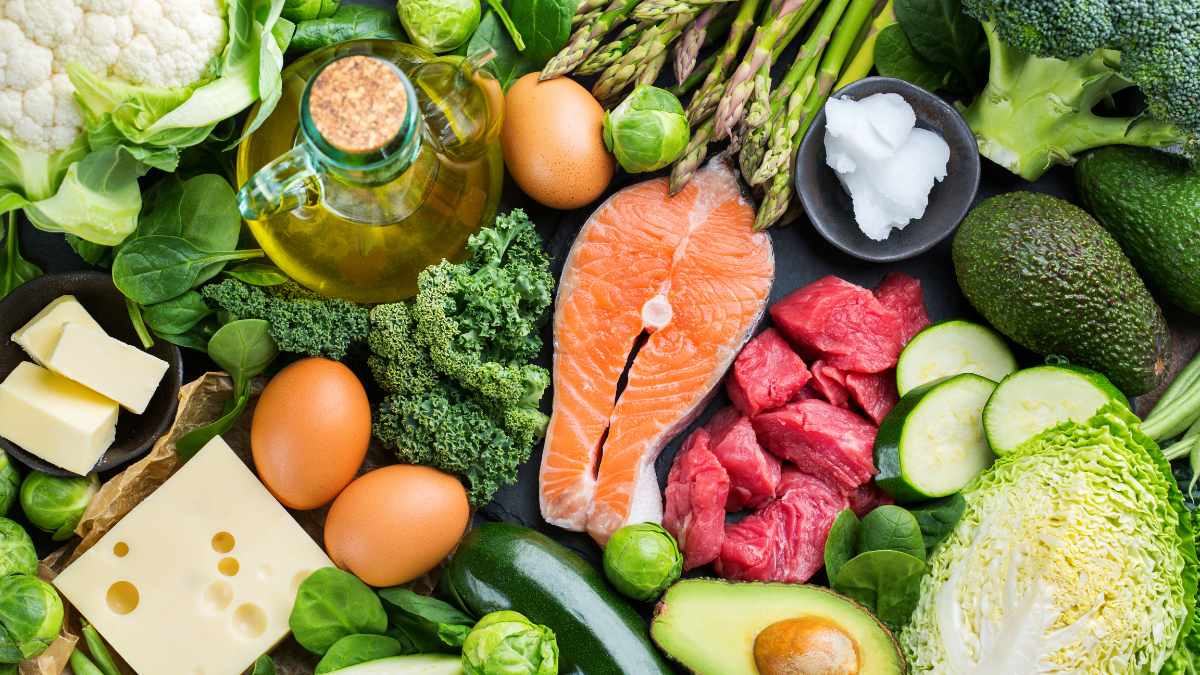
In a typical ketogenic diet, the macronutrient distribution is approximately 70-75% fat, 20-25% protein, and only 5-10% carbohydrates. This stark contrast to conventional diets, which often emphasize carbohydrates as a primary energy source, is what makes keto unique. The diet encourages the consumption of foods rich in healthy fats, such as avocados, nuts, seeds, and oils, while discouraging high-carb foods like grains, sugars, and many fruits.
Understanding these principles is crucial for anyone considering the ketogenic diet. It requires careful planning and a thorough understanding of food choices to maintain ketosis effectively. As individuals embark on this dietary journey, they must be mindful of the carbohydrate content in foods they consume, including fruits, which are often perceived as healthy but can be high in sugars.
The popularity of the ketogenic diet has led to a surge in interest regarding its long-term effects and sustainability. While many people experience short-term weight loss and health improvements, the diet’s restrictive nature raises questions about its viability for the long haul. As such, understanding the nuances of food choices within this framework is essential for maintaining a balanced and healthy lifestyle.
Nutritional Profile of Bananas: Carbs, Fiber, and Sugars
Bananas are a popular fruit known for their convenience and nutritional benefits. They are rich in essential vitamins and minerals, particularly potassium, vitamin C, and vitamin B6. However, when considering their role in a ketogenic diet, it is essential to examine their carbohydrate content closely.
A medium-sized banana contains approximately 27 grams of carbohydrates, of which about 3 grams are dietary fiber. This results in a net carbohydrate count of around 24 grams. While bananas provide a quick source of energy and are often praised for their natural sugars, the high carbohydrate content makes them a less-than-ideal choice for those adhering to a strict ketogenic diet.
Moreover, bananas contain fructose, a natural sugar that can impact blood sugar levels. For individuals on a keto diet, maintaining stable blood sugar levels is crucial, as fluctuations can hinder the process of ketosis. The combination of high carbohydrate content and the presence of sugars makes bananas a food that requires careful consideration within the context of a ketogenic lifestyle.
In addition to carbohydrates, bananas also offer several health benefits, including antioxidant properties and digestive support due to their fiber content. However, these benefits must be weighed against the dietary restrictions of a ketogenic diet, prompting individuals to consider whether the nutritional advantages of bananas outweigh their carbohydrate drawbacks.
Evaluating Banana’s Carb Content Against Keto Guidelines
The ketogenic diet typically restricts daily carbohydrate intake to about 20-50 grams, depending on individual factors such as activity level and metabolic health. Given that a medium banana contains approximately 24 grams of carbohydrates, consuming even one banana could potentially exceed the daily carb limit for many individuals following a strict keto regimen.
This significant carbohydrate content poses a challenge for those trying to maintain ketosis. The primary goal of the ketogenic diet is to keep the body in a state of fat burning, and consuming high-carb foods like bananas can disrupt this process. As a result, many keto dieters may find it necessary to eliminate bananas from their diet entirely or consume them in very limited quantities.
It is also important to consider the timing of carbohydrate consumption. Some individuals on a ketogenic diet may strategically incorporate small amounts of higher-carb foods around workouts to replenish glycogen stores. However, bananas are still generally viewed as too high in carbohydrates for regular inclusion in a keto diet, even in these contexts.
Ultimately, the evaluation of bananas against keto guidelines leads to the conclusion that they are not a suitable food choice for those strictly adhering to the diet. Individuals aiming to maintain ketosis must prioritize low-carb alternatives that align with their dietary goals while still providing essential nutrients.
The Role of Glycemic Index in Keto Diet Considerations
The glycemic index (GI) is a measure that ranks foods based on their impact on blood sugar levels. Foods with a high GI can cause rapid spikes in blood sugar, while those with a low GI lead to more gradual increases. For individuals on a ketogenic diet, understanding the glycemic index of foods is crucial, as it can influence insulin levels and overall metabolic health.
Bananas have a moderate glycemic index, typically ranging from 51 to 55, depending on their ripeness. This means that while they are not the highest-GI food, they can still cause a noticeable increase in blood sugar levels. For those following a ketogenic diet, managing blood sugar levels is essential to avoid disruptions in ketosis and maintain energy stability.
Incorporating foods with a low glycemic index is a common strategy among keto dieters to ensure that their carbohydrate intake does not lead to insulin spikes. Foods such as leafy greens, berries, and nuts are often preferred due to their low GI and high fiber content. In contrast, bananas, despite their nutritional benefits, may not fit into this strategy due to their moderate GI and high carbohydrate content.
Understanding the role of the glycemic index in dietary choices can help individuals make informed decisions about their food intake. For those committed to a ketogenic lifestyle, prioritizing low-GI foods over moderate or high-GI options like bananas can support better blood sugar management and enhance the overall effectiveness of the diet.
Alternatives to Bananas for a Keto-Friendly Diet
For individuals seeking fruit options that align with a ketogenic diet, there are several alternatives to bananas that provide essential nutrients without excessive carbohydrates. Berries, such as strawberries, raspberries, and blackberries, are excellent choices due to their lower carbohydrate content and high antioxidant properties. These fruits can be enjoyed in moderation, allowing individuals to satisfy their sweet cravings while adhering to their dietary goals.
Avocados are another fantastic alternative. Rich in healthy fats, fiber, and various vitamins, avocados are a staple in the ketogenic diet. They are low in carbohydrates, with only about 2 grams per half avocado, making them an ideal choice for those looking to maintain ketosis. Additionally, their creamy texture and versatility allow for a variety of culinary applications.
Coconut is also a popular option among keto enthusiasts. Whether consumed as coconut oil, coconut milk, or shredded coconut, this tropical fruit offers healthy fats and minimal carbohydrates. Coconut products can be used in various recipes, from smoothies to desserts, providing a satisfying alternative to higher-carb fruits like bananas.
Finally, nuts and seeds can serve as excellent substitutes for bananas in a ketogenic diet. Almonds, walnuts, chia seeds, and flaxseeds are all low in carbohydrates and high in healthy fats, making them ideal for snacking or adding to meals. These options not only align with keto guidelines but also provide a range of nutrients that support overall health.
Conclusions: Bananas and Their Place in Keto Nutrition
In conclusion, while bananas are a nutritious fruit with several health benefits, they are not considered keto-friendly due to their high carbohydrate content and moderate glycemic index. For individuals strictly adhering to a ketogenic diet, consuming bananas could jeopardize their ability to maintain ketosis and achieve their dietary goals.
Instead, opting for lower-carb alternatives such as berries, avocados, coconut, and nuts can provide similar nutritional benefits without exceeding carbohydrate limits. Understanding the principles of the ketogenic diet and evaluating food choices based on their nutritional profiles is crucial for success in this dietary approach.
As individuals navigate their keto journey, it is essential to remain informed about the foods they consume and their impacts on metabolic health. By making thoughtful choices and prioritizing low-carb options, individuals can enjoy a balanced and satisfying diet while reaping the benefits of ketosis.
Read more:
- Keto Diet Basics – An overview of the ketogenic diet, its principles, and health benefits.
- Nutritional Information on Bananas – A detailed breakdown of the nutritional profile of bananas from the USDA FoodData Central.
- Understanding the Glycemic Index – An explanation of the glycemic index and its importance for blood sugar management.
- Keto-Friendly Fruits – A guide to fruits that are suitable for a ketogenic diet, including alternatives to high-carb options.
- The Role of Fiber in Keto – An article discussing the significance of fiber in a low-carb diet and its health implications.