

Introduction:
The ketogenic diet has gained immense popularity over the past few years, primarily due to its potential for weight loss and health benefits. This high-fat, low-carbohydrate eating plan encourages the body to enter a state of ketosis, where it burns fat for fuel instead of carbohydrates. As individuals embark on this dietary journey, questions often arise regarding which fats are suitable for consumption. One common query is whether butter fits into this framework. This article will explore the intricacies of butter in relation to the ketogenic diet, examining its nutritional profile, role of fats, and potential health benefits.
Understanding the Ketogenic Diet: A Brief Overview
The ketogenic diet is characterized by a significant reduction in carbohydrate intake, typically to less than 50 grams per day, while increasing fat consumption to around 70-80% of total daily calories. This macronutrient shift forces the body to rely on fat as its primary energy source, leading to the production of ketones. These ketones serve as an alternative fuel, promoting fat loss and potentially improving mental clarity and energy levels.
In addition to weight loss, the ketogenic diet has been studied for its therapeutic benefits in various medical conditions. Research suggests that it may help manage epilepsy, type 2 diabetes, and even certain neurological disorders. However, the diet’s restrictive nature can make it challenging to maintain long-term, emphasizing the importance of understanding which foods are compatible with this lifestyle.
A critical aspect of the ketogenic diet is the quality of fats consumed. Not all fats are created equal, and the source of these fats can significantly impact health outcomes. This leads to the need for careful consideration of dietary choices, particularly regarding saturated fats, which are abundant in butter.
As individuals adopt the ketogenic lifestyle, they often seek out high-quality fats that not only support ketosis but also contribute to overall health. This brings butter into the conversation, as it is a staple fat in many kitchens and has been used for centuries in various culinary traditions.
Nutritional Profile of Butter: Key Components Analyzed
Butter is primarily composed of fat, with approximately 80% of its content being fat, 16% water, and 4% protein. The predominant type of fat in butter is saturated fat, which has been a topic of debate in nutritional science. While some studies have linked saturated fat to heart disease, recent research suggests that the context of its consumption matters significantly.
In addition to saturated fat, butter contains a mix of monounsaturated and polyunsaturated fats, which can contribute to heart health when consumed in moderation. Butter is also a source of fat-soluble vitamins, particularly vitamins A, D, E, and K. These vitamins play essential roles in various bodily functions, including immune response, bone health, and vision.
Another noteworthy component of butter is butyrate, a short-chain fatty acid that has been shown to have anti-inflammatory properties and may support gut health. The presence of butyrate in butter makes it a potentially beneficial addition to a ketogenic diet, as it aligns with the diet’s focus on promoting healthy fat intake.
However, it is crucial to consider the source of butter. Grass-fed butter, for example, is often touted for its superior nutritional profile, containing higher levels of omega-3 fatty acids and conjugated linoleic acid (CLA), which may offer additional health benefits compared to conventional butter.
The Role of Fats in a Keto Diet: Importance and Types
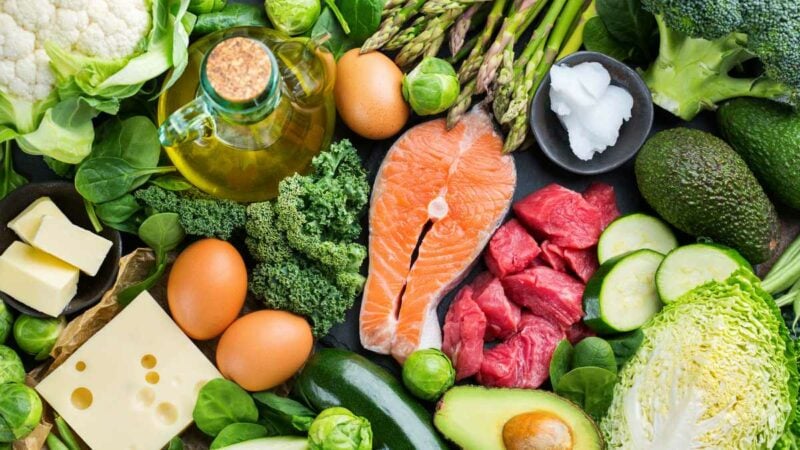
Fats are the cornerstone of the ketogenic diet, providing the primary source of energy in the absence of carbohydrates. The types of fats consumed can influence not only the success of achieving and maintaining ketosis but also overall health. The ketogenic diet encourages the consumption of healthy fats, such as those found in avocados, nuts, seeds, and fatty fish, alongside animal fats like butter.
Saturated fats, while often viewed with skepticism, can play a role in a balanced ketogenic diet. They can help stabilize blood sugar levels and provide a feeling of satiety, which may reduce overall calorie intake. However, moderation is key, as excessive consumption of saturated fats can lead to health issues.
Monounsaturated fats, such as those found in olive oil and avocados, are also encouraged on a ketogenic diet. These fats have been associated with numerous health benefits, including improved heart health and reduced inflammation. Polyunsaturated fats, particularly omega-3 fatty acids, are vital for brain health and should be included in the diet as well.
Ultimately, the goal of a ketogenic diet is to create a balanced intake of fats that supports ketosis while promoting overall health. This necessitates a careful selection of fat sources, which brings butter into the discussion as a potentially viable option.
Comparing Butter to Other Fats: Suitability for Keto
When evaluating butter’s suitability for a ketogenic diet, it is essential to compare it with other common fats. Olive oil, coconut oil, and avocado oil are popular choices among keto dieters, each offering unique health benefits. Olive oil, for instance, is rich in monounsaturated fats and antioxidants, making it a heart-healthy option. Coconut oil, on the other hand, contains medium-chain triglycerides (MCTs), which can be rapidly converted into ketones, providing a quick source of energy.
Butter, while high in saturated fat, is often favored for its flavor and culinary versatility. It can enhance the taste of various dishes and is commonly used in cooking and baking. Additionally, the presence of butyrate in butter may offer unique health benefits that other fats do not provide.
The choice between butter and other fats ultimately depends on individual preferences and dietary goals. For those who enjoy the taste of butter and prefer to incorporate it into their meals, it can be a suitable option within the context of a well-rounded ketogenic diet. However, it is essential to balance butter consumption with other healthy fats to ensure a diverse intake of nutrients.
Moreover, the quality of the butter matters. Grass-fed butter is often recommended for its superior nutritional profile compared to conventional butter. Choosing high-quality fats can enhance the overall health benefits of a ketogenic diet, making it crucial for dieters to be discerning in their fat choices.
Potential Health Benefits of Butter on a Keto Regimen
Incorporating butter into a ketogenic diet may offer several potential health benefits. One of the most significant advantages is its ability to provide a concentrated source of energy. As a high-fat food, butter can help individuals maintain their energy levels while adhering to a low-carbohydrate intake, making it easier to sustain the diet over time.
Additionally, the presence of fat-soluble vitamins in butter can contribute to overall health. These vitamins are essential for various bodily functions, including immune support and bone health. For individuals on a ketogenic diet, ensuring adequate intake of these vitamins is crucial, as the diet may limit certain food groups that are rich in these nutrients.
Butyrate, a short-chain fatty acid found in butter, has garnered attention for its potential health benefits. Research indicates that butyrate may support gut health by promoting the growth of beneficial gut bacteria and reducing inflammation. This aligns well with the ketogenic diet’s focus on healthy fats and may enhance overall well-being.
Furthermore, butter can contribute to feelings of satiety, which may help individuals manage their appetite and reduce cravings. This can be particularly beneficial for those seeking to lose weight or maintain a healthy weight while following a ketogenic diet. By incorporating butter into meals, individuals may find it easier to adhere to their dietary goals.
Conclusions: Is Butter a Viable Option for Keto Dieters?
In conclusion, butter can be considered a viable option for those following a ketogenic diet, provided it is consumed in moderation and as part of a balanced intake of fats. Its high-fat content, along with the presence of essential vitamins and butyrate, makes it a suitable choice for individuals seeking to achieve and maintain ketosis. However, it is crucial to prioritize quality by opting for grass-fed butter when possible.
While butter offers several potential health benefits, it should not be the sole source of dietary fat. A diverse intake of healthy fats, including monounsaturated and polyunsaturated fats, is essential for overall health and well-being. As with any dietary choice, individual preferences and health goals should guide decisions regarding fat consumption.
Ultimately, butter can enhance the flavor of meals and provide a concentrated source of energy, making it a valuable addition to a ketogenic diet for many individuals. By understanding its nutritional profile and role within the diet, keto dieters can make informed choices that align with their health objectives.
Read more
- Healthline – The Ketogenic Diet: A Detailed Beginner’s Guide – This comprehensive guide covers the fundamentals of the ketogenic diet, including its benefits and potential drawbacks.
- Nutrition Journal – The Role of Dietary Fat in the Ketogenic Diet – A scientific exploration of the types of dietary fats and their impact on health in the context of a ketogenic diet.
- Cleveland Clinic – Is Butter Bad for You? – An analysis of butter’s health implications, discussing its nutritional profile and role in a balanced diet.
- PubMed Central – Butyrate: A Short-Chain Fatty Acid with Anti-Inflammatory Properties – A research article detailing the health benefits of butyrate, including its effects on gut health and inflammation.
- Mayo Clinic – Ketogenic Diet: Is It Safe and Effective? – An expert overview of the ketogenic diet, its effectiveness, and safety considerations for dieters.