

Introduction:
The ketogenic diet has gained significant popularity as a means to promote weight loss and improve overall health. This low-carbohydrate, high-fat diet encourages the body to enter a state of ketosis, where it burns fat for fuel instead of carbohydrates. As individuals embark on their keto journey, they often question the compatibility of various foods with this dietary approach. One common staple in many diets is rice, leading to the inquiry: is rice keto-friendly? This article delves into the principles of the ketogenic diet, the nutritional composition of rice, and various alternatives to help readers make informed dietary choices.
Understanding the Ketogenic Diet and Its Principles
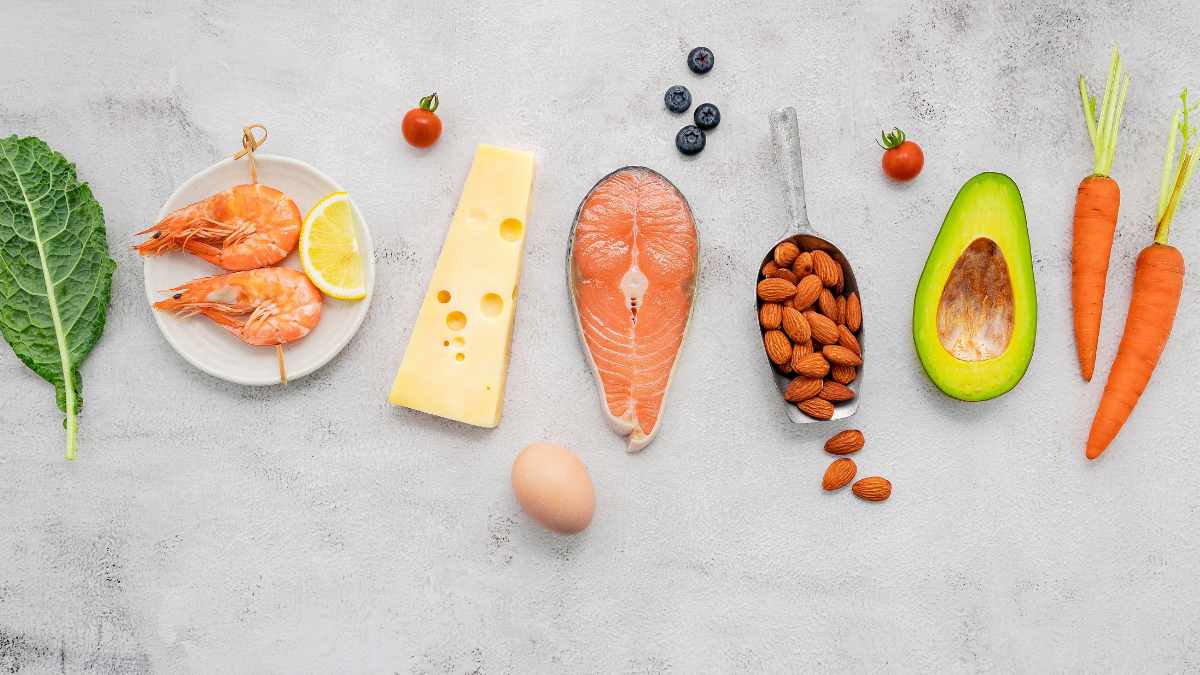
The ketogenic diet is primarily characterized by a significant reduction in carbohydrate intake, typically to less than 50 grams per day. This drastic decrease forces the body to rely on fat as its primary energy source, leading to the production of ketones. These ketones serve as an alternative fuel for the brain and other organs, promoting fat burning and weight loss. The diet also emphasizes the consumption of healthy fats, moderate protein intake, and minimal carbohydrates.
One of the fundamental principles of the ketogenic diet is the macronutrient ratio. A typical ketogenic diet consists of approximately 70-75% fat, 20-25% protein, and only 5-10% carbohydrates. This ratio is crucial for maintaining ketosis, as exceeding the carbohydrate limit can hinder the body’s ability to burn fat effectively. Therefore, understanding the carbohydrate content of foods is essential for anyone adhering to this dietary approach.
In addition to weight loss, the ketogenic diet has been associated with various health benefits, including improved blood sugar control, enhanced mental clarity, and reduced inflammation. However, it is essential to approach the diet with caution, as it may not be suitable for everyone. Individuals with certain medical conditions or those who are pregnant should consult a healthcare professional before making significant dietary changes.
Ultimately, the success of a ketogenic diet hinges on careful food selection. Foods that are high in carbohydrates, such as grains, sugars, and starchy vegetables, should be minimized or eliminated. This brings us to the question of rice, a staple food in many cultures, and its place within a ketogenic framework.
Nutritional Composition of Rice: A Detailed Analysis
Rice is a widely consumed grain that comes in various forms, including white, brown, and wild rice. Its nutritional composition varies slightly depending on the type, but it is primarily composed of carbohydrates. For example, one cup of cooked white rice contains approximately 45 grams of carbohydrates, while the same serving of brown rice contains about 52 grams. This high carbohydrate content poses a challenge for those following a ketogenic diet.
In addition to carbohydrates, rice contains a small amount of protein and minimal fat. One cup of cooked white rice provides about 4 grams of protein and less than 1 gram of fat. While rice does contain some essential vitamins and minerals, such as B vitamins and magnesium, these nutrients can often be obtained from other, more keto-friendly food sources.
Another important consideration is the caloric density of rice. With its high carbohydrate content, rice is also relatively high in calories. For individuals aiming to lose weight, consuming rice can quickly lead to exceeding daily caloric limits, making it more challenging to achieve weight loss goals. This is particularly relevant for those on a ketogenic diet, where caloric intake must be carefully monitored.
Given its nutritional profile, rice is generally considered incompatible with a ketogenic diet. The high carbohydrate content can quickly push individuals over their daily carb limit, hindering the ability to maintain ketosis. However, understanding the various rice varieties and their nutritional differences can provide further insight into their impact on a keto lifestyle.
Comparing Rice Varieties: Which Are Lower in Carbs?
When it comes to rice, not all varieties are created equal. While most traditional rice types are high in carbohydrates, some options may be slightly lower in carbs than others. For instance, wild rice is often touted as a healthier alternative due to its higher protein and fiber content. A cup of cooked wild rice contains approximately 35 grams of carbohydrates, making it a somewhat better option for those looking to reduce carb intake.
Brown rice, while still high in carbohydrates, offers more fiber and nutrients compared to white rice. The outer bran layer of brown rice provides additional health benefits, including improved digestion and satiety. However, at around 52 grams of carbohydrates per cup, brown rice still falls outside the acceptable range for a ketogenic diet.
Another option that some may consider is cauliflower rice, which has gained popularity as a low-carb substitute for traditional rice. Made by grating cauliflower into rice-sized pieces, this alternative contains only about 5 grams of carbohydrates per cup. This significant reduction in carb content makes cauliflower rice a favorite among those adhering to a ketogenic lifestyle.
Ultimately, while there are some rice varieties that are lower in carbs, they still may not be suitable for a strict ketogenic diet. Individuals must carefully evaluate their overall carbohydrate intake and consider alternatives that align better with their dietary goals.
The Role of Glycemic Index in Keto Diet Considerations
The glycemic index (GI) is a ranking of carbohydrates based on their effect on blood sugar levels. Foods with a high GI cause rapid spikes in blood sugar, while low-GI foods result in a more gradual increase. For those following a ketogenic diet, understanding the glycemic index of foods is crucial, as it can influence insulin levels and fat storage.
Rice, particularly white rice, has a high glycemic index, typically ranging from 70 to 90, depending on the cooking method. This means that consuming rice can lead to a quick rise in blood sugar levels, which is counterproductive for those aiming to maintain stable blood sugar and insulin levels. In contrast, foods with a low glycemic index, such as non-starchy vegetables and healthy fats, are more conducive to a ketogenic lifestyle.
Brown rice, while slightly lower in GI than white rice, still falls into the moderate range. Its higher fiber content may help mitigate some of the blood sugar spikes, but it remains unsuitable for strict keto adherents. On the other hand, alternatives like cauliflower rice have a low glycemic index, making them a better choice for those looking to maintain ketosis.
In summary, the glycemic index plays a significant role in determining the suitability of foods for a ketogenic diet. High-GI foods, such as rice, can disrupt the delicate balance required for ketosis and should be avoided or limited. Instead, focusing on low-GI foods can help individuals achieve their dietary goals more effectively.
Alternatives to Rice for a Keto-Friendly Meal Plan
For individuals following a ketogenic diet, finding suitable alternatives to rice is essential for maintaining variety in their meals. One of the most popular substitutes is cauliflower rice, which can be easily prepared by grating or processing cauliflower into rice-sized pieces. This low-carb alternative can be sautéed, steamed, or used in various dishes, providing a versatile base for meals without the excess carbohydrates.
Another excellent option is shirataki rice, made from the konjac plant. This rice substitute is virtually calorie-free and contains minimal carbohydrates, making it an ideal choice for those on a keto diet. Shirataki rice absorbs flavors well and can be used in stir-fries, soups, or as a side dish, offering a satisfying texture without the carb load.
For those looking for a heartier option, broccoli rice is another alternative. Similar to cauliflower rice, broccoli can be processed into rice-sized pieces and used in various dishes. It offers additional nutrients and fiber, making it a nutritious substitute for traditional rice.
Lastly, zucchini rice is another creative alternative that can add variety to a keto meal plan. By grating zucchini and lightly cooking it, individuals can create a rice-like texture that pairs well with many dishes. These alternatives not only help maintain a low carbohydrate intake but also provide essential nutrients and flavors that enhance the overall dining experience.
Conclusions: Is Rice Compatible with a Ketogenic Lifestyle?
In conclusion, rice is generally not compatible with a ketogenic lifestyle due to its high carbohydrate content and glycemic index. Most varieties, including white and brown rice, contain too many carbs to fit within the strict limits required for maintaining ketosis. While some rice alternatives, such as wild rice, may be slightly lower in carbs, they still pose challenges for those aiming to adhere to a ketogenic diet.
For individuals committed to a keto lifestyle, exploring low-carb alternatives such as cauliflower rice, shirataki rice, broccoli rice, and zucchini rice can provide satisfying options without compromising dietary goals. These substitutes not only help maintain ketosis but also offer a variety of flavors and textures that can enhance meal planning.
Ultimately, the key to success on a ketogenic diet lies in making informed food choices and understanding the nutritional composition of various foods. By prioritizing low-carb options and being mindful of carbohydrate intake, individuals can effectively navigate their ketogenic journey and achieve their health and wellness goals.
Read more
- Keto Diet Basics – A comprehensive overview of the ketogenic diet, its principles, and health benefits.
- Nutritional Composition of Rice – A detailed database providing nutritional information on various rice types.
- Glycemic Index of Foods – A resource for understanding the glycemic index of various foods and their impact on blood sugar.
- Low-Carb Rice Alternatives – A guide to low-carb rice alternatives and recipes for incorporating them into meals.
- Understanding Carbohydrates on a Keto Diet – An informative article on carbohydrates and their role in a ketogenic diet, including food lists and tips.