

Introduction:
The ketogenic diet, commonly referred to as the keto diet, has gained immense popularity as a weight loss and health improvement strategy. This low-carbohydrate, high-fat diet aims to shift the body’s metabolism from burning glucose to burning fat, a state known as ketosis. As individuals embark on their keto journey, they often encounter questions about various foods, including sweet potatoes. This article will explore whether sweet potatoes fit into a keto-friendly diet by examining their nutritional profile, carbohydrate content, glycemic index, and potential alternatives.
Understanding the Keto Diet: Key Principles and Goals
The ketogenic diet is fundamentally based on the principle of drastically reducing carbohydrate intake while increasing fat consumption. This shift encourages the body to enter a metabolic state known as ketosis, where it becomes highly efficient at burning fat for energy. The typical macronutrient distribution for a keto diet is approximately 70-75% fats, 20-25% protein, and only about 5-10% carbohydrates.
The primary goal of the keto diet is to promote weight loss, improve metabolic health, and enhance mental clarity. By limiting carbohydrates, the body is forced to utilize fat stores for energy, which can lead to significant weight loss and improved body composition. Additionally, many followers of the keto diet report increased energy levels and reduced hunger, making it easier to adhere to dietary restrictions.
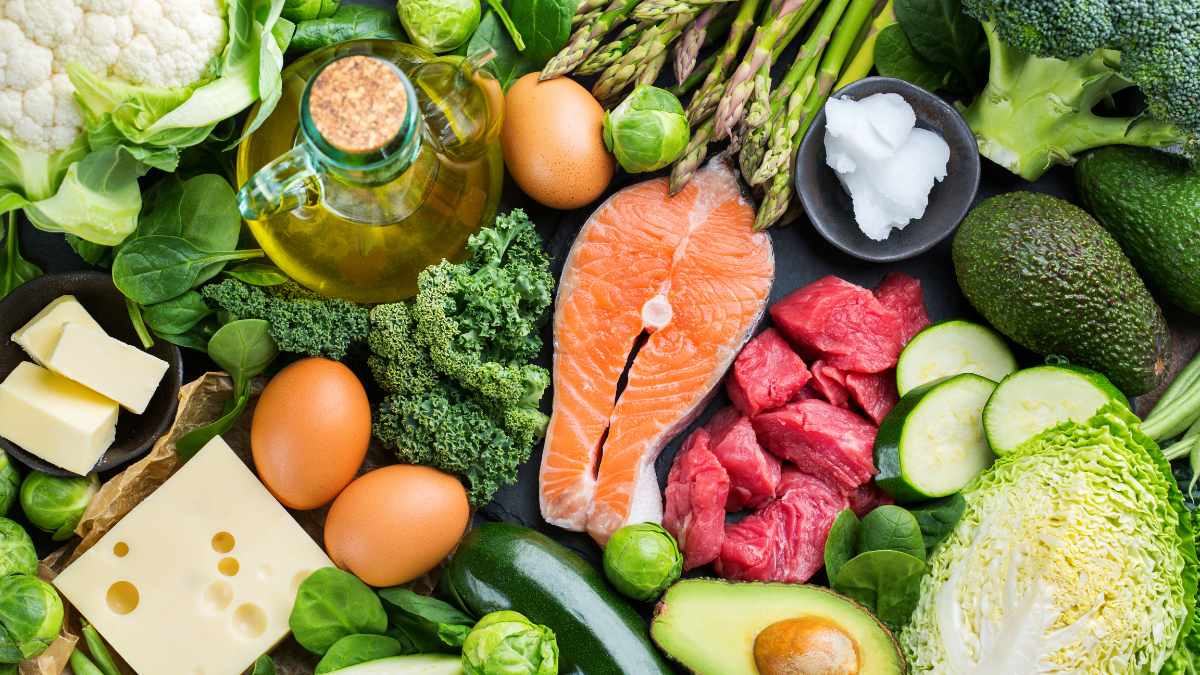
Another key aspect of the keto diet is the importance of whole, nutrient-dense foods. While processed foods can be high in fats, they often contain hidden sugars and unhealthy additives that can disrupt ketosis. Therefore, individuals on a keto diet are encouraged to focus on whole foods such as meats, fish, eggs, dairy, nuts, seeds, and low-carb vegetables.
Understanding these principles is crucial when evaluating whether sweet potatoes can be incorporated into a keto meal plan. Their nutritional composition, particularly in terms of carbohydrates, will play a significant role in determining their compatibility with the diet.
Nutritional Profile of Sweet Potatoes: A Detailed Analysis
Sweet potatoes are often celebrated for their rich nutritional profile. They are an excellent source of vitamins, minerals, and antioxidants, particularly beta-carotene, which is converted to vitamin A in the body. A medium-sized sweet potato contains approximately 112 calories, 2 grams of protein, and 26 grams of carbohydrates, with 4 grams of fiber, making the net carbohydrate content around 22 grams.
In addition to carbohydrates, sweet potatoes provide essential nutrients such as vitamin C, potassium, and manganese. These nutrients contribute to various bodily functions, including immune support, muscle function, and bone health. The presence of fiber in sweet potatoes also aids in digestion and can promote a feeling of fullness.
However, the high carbohydrate content of sweet potatoes raises concerns for those following a strict ketogenic diet. The goal of keeping daily carbohydrate intake below 20-50 grams can be challenging when incorporating foods that are naturally high in carbs. Therefore, while sweet potatoes are nutritious, their role in a keto diet must be carefully considered.
Ultimately, understanding the nutritional profile of sweet potatoes is essential for individuals seeking to maintain ketosis while still enjoying a variety of foods. This analysis will help inform whether sweet potatoes can be included in a balanced keto meal plan.
Carbohydrate Content: Evaluating Sweet Potatoes on Keto
When evaluating the carbohydrate content of sweet potatoes, it is essential to consider both the total carbohydrates and the net carbohydrates, which are calculated by subtracting fiber from total carbs. As previously mentioned, a medium sweet potato contains about 26 grams of carbohydrates, with 4 grams of fiber, resulting in a net carbohydrate count of approximately 22 grams.
For individuals adhering to a strict keto diet, this amount of net carbohydrates can be significant. Many keto practitioners aim to limit their daily carbohydrate intake to between 20 to 50 grams, meaning that consuming even a single medium sweet potato could account for nearly half of their daily allowance. This makes it challenging to incorporate sweet potatoes without exceeding carbohydrate limits.
Moreover, the carbohydrate content can vary based on the preparation method. For instance, baking or boiling sweet potatoes may yield different carbohydrate levels compared to frying or mashing them with added ingredients. Therefore, individuals must be mindful of portion sizes and cooking methods when considering sweet potatoes in their diet.
In summary, while sweet potatoes are a healthy food option, their carbohydrate content poses a challenge for those strictly following a ketogenic diet. Careful planning and portion control are essential for anyone considering including sweet potatoes in their keto meal plan.
Glycemic Index of Sweet Potatoes: Implications for Ketosis
The glycemic index (GI) is a measure of how quickly a food raises blood sugar levels after consumption. Foods with a high GI can lead to rapid spikes in blood sugar, which can be counterproductive for those trying to maintain ketosis. Sweet potatoes have a moderate glycemic index, typically ranging from 44 to 61, depending on the cooking method and variety.
While sweet potatoes are lower on the glycemic index compared to other starchy foods, they can still impact blood sugar levels, especially when consumed in larger quantities. This is a crucial consideration for individuals on a ketogenic diet, as maintaining stable blood sugar levels is essential for achieving and sustaining ketosis.
The moderate GI of sweet potatoes means that they may not be the best choice for those who are particularly sensitive to carbohydrate intake. For individuals who are in the early stages of adapting to a keto diet, consuming foods with a high GI can hinder the process of entering ketosis and may lead to unwanted cravings.
In conclusion, while sweet potatoes offer nutritional benefits, their moderate glycemic index and carbohydrate content make them a less favorable option for those strictly adhering to a ketogenic diet. Understanding the implications of GI on blood sugar levels is vital for maintaining ketosis and achieving dietary goals.
Alternatives to Sweet Potatoes for a Keto Diet
Given the challenges associated with incorporating sweet potatoes into a ketogenic diet, many individuals seek alternatives that are lower in carbohydrates and have a minimal impact on blood sugar levels. Some popular substitutes include cauliflower, zucchini, and turnips.
Cauliflower is often hailed as a versatile low-carb vegetable that can be used in various dishes. It can be mashed, riced, or roasted, making it an excellent alternative for those looking to replace starchy sides. A cup of cauliflower contains only about 5 grams of carbohydrates, making it a keto-friendly option.
Zucchini is another great alternative, particularly when spiralized into noodles or used in casseroles. With only about 4 grams of carbohydrates per cup, zucchini provides a satisfying texture without compromising ketosis. It can be easily incorporated into a variety of dishes, from stir-fries to salads.
Turnips, while slightly higher in carbohydrates than cauliflower and zucchini, still offer a lower-carb option compared to sweet potatoes. With approximately 8 grams of carbohydrates per cup, turnips can be roasted or mashed as a substitute for sweet potatoes, providing a similar flavor profile with fewer carbs.
In summary, individuals following a ketogenic diet have several alternatives to sweet potatoes that can help them maintain their carbohydrate limits while still enjoying delicious and satisfying meals. Exploring these options can enhance dietary variety without sacrificing the principles of the keto diet.
Conclusion: Sweet Potatoes and Their Role in Keto Eating
In conclusion, while sweet potatoes are a nutritious food option packed with vitamins, minerals, and fiber, they present challenges for those adhering to a strict ketogenic diet. The high carbohydrate content and moderate glycemic index can hinder the ability to maintain ketosis, making them less suitable for individuals focused on achieving and sustaining this metabolic state.
For those who wish to include sweet potatoes in their diet, careful portion control and meal planning are essential. However, for individuals committed to a strict keto lifestyle, exploring lower-carb alternatives such as cauliflower, zucchini, and turnips may be a more effective strategy for maintaining ketosis while still enjoying a variety of flavors and textures.
Ultimately, the decision to include sweet potatoes in a keto diet should be based on individual goals, carbohydrate tolerance, and overall dietary preferences. As with any dietary approach, it is crucial to listen to one’s body and make informed choices that align with personal health objectives.
Read more:
- Healthline: The Ketogenic Diet 101 – A comprehensive guide to the ketogenic diet, its principles, and health benefits.
- Diet Doctor: What is the Ketogenic Diet? – An overview of the keto diet, including meal plans and recipes.
- USDA FoodData Central: Sweet Potatoes – A detailed nutritional profile of sweet potatoes and other foods.
- Medical News Today: Glycemic Index of Foods – An explanation of the glycemic index and its implications for health.
- Verywell Fit: Low-Carb Alternatives to Potatoes – A list of low-carb alternatives to traditional starchy foods, including sweet potatoes.