

Se hai un abbonamento attivo ACCEDI QUI
Vegetables to Avoid on a Keto Diet
Introduction:
The ketogenic diet, commonly known as the keto diet, has gained immense popularity for its potential to promote weight loss and improve metabolic health. Central to this diet is the principle of drastically reducing carbohydrate intake while increasing fats and maintaining moderate protein consumption. While vegetables are generally considered healthy, not all of them are suitable for a keto diet. This article delves into which vegetables to avoid on a keto diet and why, helping you make informed choices to maintain ketosis and optimize your health.
Understanding the Keto Diet and Vegetables
The keto diet is a low-carb, high-fat diet designed to push your body into a state of ketosis, where it burns fat for fuel instead of carbohydrates. To achieve and maintain ketosis, it’s crucial to monitor your carbohydrate intake meticulously. While vegetables are a staple in most healthy diets, their carbohydrate content can vary significantly.
Vegetables are categorized into different types based on their carbohydrate content and nutritional value. Leafy greens and non-starchy vegetables are generally low in carbs and high in fiber, making them ideal for a keto diet. However, some vegetables contain higher amounts of starch and sugars, which can quickly add up and disrupt ketosis.
Understanding which vegetables are high in carbohydrates and should be avoided is essential for anyone following a keto diet. This knowledge helps ensure that you stay within your daily carb limit, typically around 20-50 grams per day, depending on individual goals and metabolic flexibility.
It’s also important to consider the glycemic index (GI) of vegetables, which measures how quickly foods raise blood sugar levels. Vegetables with a high GI can cause spikes in blood sugar and insulin levels, hindering the body’s ability to stay in ketosis.
In addition to carb content, the nutritional profile of vegetables matters. Some vegetables may be low in carbs but also low in essential nutrients, making them less valuable for a balanced keto diet. Balancing carb intake with nutrient density is key to optimizing health on keto.
By understanding the role of vegetables in the keto diet, you can make better choices that support your health goals. The following sections will explore specific types of vegetables to avoid and why they may not be suitable for a keto lifestyle.
High-Carb Vegetables to Avoid on Keto
High-carb vegetables can quickly exceed your daily carb limit, making it difficult to maintain ketosis. One of the primary culprits in this category is potatoes. Whether baked, mashed, or fried, potatoes are rich in starch and can contribute a significant amount of carbs to your diet.
Corn is another high-carb vegetable that should be avoided on a keto diet. While it may be a staple in many cuisines, corn is high in sugars and starches that can disrupt ketosis. It’s best to steer clear of corn and corn-based products like tortillas and chips.
Peas, though small, pack a considerable carb punch. They are relatively high in sugar and starch, making them unsuitable for a strict keto diet. Even in small portions, peas can add up quickly and push you over your carb limit.
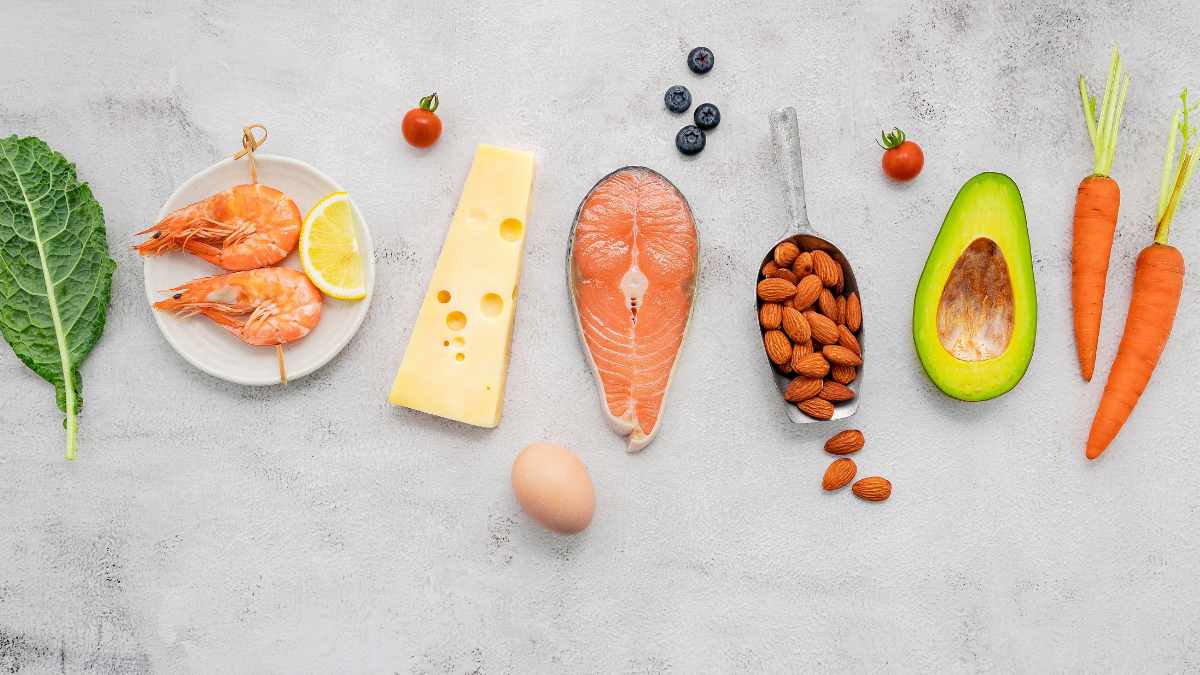
Carrots, often considered a healthy snack, are surprisingly high in carbs. While they offer valuable nutrients like beta-carotene, their sugar content can be problematic for those on keto. If you enjoy carrots, it’s best to consume them in very limited quantities.
Beets are another vegetable that should be avoided on a keto diet. They are high in natural sugars, which can spike blood sugar levels and disrupt ketosis. Despite their health benefits, beets are not keto-friendly due to their carb content.
Lastly, winter squash varieties like butternut and acorn squash are high in carbs and should be avoided. These vegetables are rich in starches that can quickly add up and exceed your daily carb allowance, making it challenging to stay in ketosis.
The Impact of Starchy Vegetables on Ketosis
Starchy vegetables are rich in carbohydrates, which can significantly impact your ability to maintain ketosis. When you consume starchy vegetables, your body breaks down the starches into glucose, leading to an increase in blood sugar levels. This spike in blood sugar triggers the release of insulin, a hormone that helps cells absorb glucose for energy.
The presence of insulin in the bloodstream inhibits the breakdown of fat for energy, which is the cornerstone of ketosis. As a result, consuming starchy vegetables can quickly knock you out of ketosis, making it difficult to reap the benefits of the keto diet.
Potatoes, sweet potatoes, and yams are prime examples of starchy vegetables that can disrupt ketosis. These vegetables are high in carbohydrates and can cause significant spikes in blood sugar levels. Even small portions of these starchy vegetables can add up quickly and exceed your daily carb limit.
Another starchy vegetable to be wary of is parsnips. While they may be a tasty addition to soups and stews, parsnips are high in carbs and can hinder your progress on a keto diet. It’s best to avoid them or consume them in very limited quantities.
Pumpkin, often used in fall recipes, is another starchy vegetable that can impact ketosis. While it offers valuable nutrients like beta-carotene, its carb content can be problematic for those on a strict keto diet. If you enjoy pumpkin, be mindful of your portion sizes and overall carb intake.
The impact of starchy vegetables on ketosis underscores the importance of choosing low-carb alternatives. By avoiding starchy vegetables and opting for non-starchy, low-carb options, you can better manage your carb intake and maintain a state of ketosis.
Hidden Sugars in Common Vegetables
Hidden sugars in vegetables can be a sneaky source of carbs that disrupt ketosis. While some vegetables may appear low in carbs at first glance, they can contain hidden sugars that add up quickly. Being aware of these hidden sugars is crucial for anyone following a keto diet.
Tomatoes, for example, are often considered a keto-friendly vegetable. However, they contain natural sugars that can add up if consumed in large quantities. While small amounts of tomatoes can fit into a keto diet, it’s essential to monitor your intake to avoid exceeding your carb limit.
Onions are another vegetable that can contain hidden sugars. While they add flavor to many dishes, onions are relatively high in carbs and can contribute to your daily carb count. Using onions sparingly or opting for lower-carb alternatives like green onions can help you stay within your carb limit.
Bell peppers, particularly red and yellow varieties, contain more sugars than their green counterparts. While they offer valuable nutrients and antioxidants, their sugar content can be higher than expected. Choosing green bell peppers or limiting your intake of the sweeter varieties can help you manage your carb intake.
Sugar snap peas and snow peas are other examples of vegetables with hidden sugars. While they may seem like a healthy snack, their carb content can add up quickly. It’s best to consume them in moderation or choose lower-carb alternatives.
Cabbage, particularly red cabbage, contains more sugars than green cabbage. While cabbage can be a great addition to a keto diet, it’s essential to be mindful of the variety and portion sizes to avoid hidden sugars.
By being aware of hidden sugars in common vegetables, you can make more informed choices and better manage your carb intake on a keto diet. Opting for low-sugar, low-carb vegetables can help you maintain ketosis and achieve your health goals.
Low-Nutrient Vegetables to Limit on Keto
While some vegetables are low in carbs, they may also be low in essential nutrients, making them less valuable for a balanced keto diet. It’s important to prioritize nutrient-dense vegetables to ensure you’re getting the vitamins and minerals your body needs.
Iceberg lettuce is a prime example of a low-nutrient vegetable. While it’s low in carbs and calories, it offers minimal nutritional value compared to other leafy greens. Opting for nutrient-dense alternatives like spinach, kale, or arugula can provide more vitamins and minerals.
Celery, while low in carbs, is another vegetable with limited nutritional value. While it can be a great low-calorie snack, it doesn’t offer much in terms of essential nutrients. Pairing celery with nutrient-dense foods like avocados or nuts can help boost its nutritional profile.
Cucumbers are another low-nutrient vegetable that can be included in a keto diet but should be paired with more nutrient-dense options. While cucumbers are hydrating and low in carbs, they don’t offer much in terms of vitamins and minerals. Combining cucumbers with nutrient-rich dips or salads can enhance their nutritional value.
Radishes, though low in carbs, are also low in essential nutrients. While they can add a crunchy texture to salads and dishes, they don’t provide significant vitamins or minerals. Including a variety of nutrient-dense vegetables in your diet can help ensure you’re meeting your nutritional needs.
Mushrooms, while low in carbs, can vary in their nutrient content. While some varieties offer valuable nutrients like B vitamins and selenium, others may be less nutrient-dense. Choosing a variety of mushrooms and pairing them with other nutrient-rich foods can help optimize your nutrient intake.
By being mindful of low-nutrient vegetables and prioritizing nutrient-dense options, you can ensure you’re getting the vitamins and minerals your body needs while maintaining ketosis. A balanced keto diet should include a variety of vegetables that provide both low carbs and essential nutrients.
Optimizing Your Keto Diet with the Right Veggies
Optimizing your keto diet involves choosing the right vegetables that are low in carbs and high in essential nutrients. Leafy greens like spinach, kale, and Swiss chard are excellent choices, as they are low in carbs and packed with vitamins, minerals, and antioxidants.
Cruciferous vegetables like broccoli, cauliflower, and Brussels sprouts are also great options for a keto diet. They are low in carbs and high in fiber, which can help support digestive health and keep you feeling full. Additionally, these vegetables offer valuable nutrients like vitamin C, vitamin K, and folate.
Zucchini and other summer squash varieties are versatile, low-carb vegetables that can be used in a variety of keto-friendly dishes. They are low in carbs and calories while providing essential nutrients like vitamin A, vitamin C, and potassium.
Avocados are a unique vegetable that is high in healthy fats and low in carbs. They are an excellent addition to a keto diet, offering valuable nutrients like potassium, magnesium, and monounsaturated fats. Avocados can be used in salads, smoothies, or as a creamy topping for various dishes.
Asparagus is another low-carb vegetable that can be included in a keto diet. It is rich in vitamins A, C, and K, as well as folate and fiber. Asparagus can be grilled, roasted, or steamed and used as a side dish or added to salads and stir-fries.
Lastly, herbs and spices like parsley, cilantro, and basil can add flavor and nutrients to your keto meals without adding significant carbs. These herbs are low in carbs and calories while providing antioxidants and essential vitamins.
By choosing the right vegetables and incorporating a variety of nutrient-dense options, you can optimize your keto diet and ensure you’re getting the vitamins and minerals your body needs. A well-balanced keto diet should include a mix of low-carb, nutrient-rich vegetables to support overall health and well-being.
Conclusion:
Navigating the keto diet requires careful consideration of your vegetable choices to maintain ketosis and optimize your health. While some vegetables are high in carbs and should be avoided, others are low in carbs and packed with essential nutrients. By understanding which vegetables to avoid and which to include, you can make informed choices that support your keto lifestyle. Prioritizing nutrient-dense, low-carb vegetables can help you achieve your health goals while enjoying a variety of delicious and satisfying meals.
Read More…
- Healthline: Ketogenic Diet 101 – A comprehensive guide to the ketogenic diet, including its benefits, risks, and how to get started.
- Diet Doctor: Vegetables on Keto – An extensive list of vegetables that are suitable for a keto diet, along with their carb counts.
- WebMD: The Keto Diet – A slideshow explaining the basics of the keto diet, including foods to eat and avoid.
- Verywell Fit: Keto Diet Foods – A detailed list of foods that are allowed on a keto diet, including vegetables, meats, and dairy products.
- Mayo Clinic: Ketogenic Diet – An expert overview of the ketogenic diet, its potential benefits, and considerations for those thinking about starting it.