

Introduction:
The ketogenic diet has gained immense popularity over the years, primarily due to its potential for weight loss and improved metabolic health. However, within the realm of ketogenic eating, there exists a subcategory known as "dirty keto." This approach allows for a more flexible interpretation of the diet, often prioritizing macronutrient ratios over food quality. Understanding what constitutes dirty keto foods is essential for anyone looking to navigate this dietary landscape effectively.
Understanding the Concept of Dirty Keto Foods Explained
Dirty keto refers to a version of the ketogenic diet that emphasizes maintaining the appropriate macronutrient ratios—high fat, moderate protein, and very low carbohydrates—without focusing on the quality of the food consumed. This means that individuals can indulge in processed foods, fast foods, and other items that may not be nutritionally beneficial while still adhering to the basic principles of keto. The primary goal remains the same: to achieve and maintain a state of ketosis, where the body burns fat for fuel instead of carbohydrates.
The term "dirty" implies a lack of concern for the nutritional value of foods. While traditional ketogenic diets often emphasize whole, nutrient-dense foods such as leafy greens, avocados, and high-quality proteins, dirty keto can include items that are high in unhealthy fats and sugars, as long as they fit within the prescribed macronutrient limits. This approach can lead to significant weight loss for some, but it may also come with various health implications.
People who follow dirty keto often find it easier to stick to the diet due to its leniency. The convenience of fast food and processed snacks can appeal to those with busy lifestyles. However, this convenience comes at a cost, as the long-term health effects of consuming low-quality foods can be detrimental. Understanding the implications of dirty keto is crucial for anyone considering this dietary path.
In summary, dirty keto allows for more flexibility in food choices while still adhering to the ketogenic framework. However, this flexibility can lead to a reliance on processed and unhealthy foods, raising questions about the overall healthfulness of the diet.
Key Differences Between Dirty Keto and Clean Keto Diets
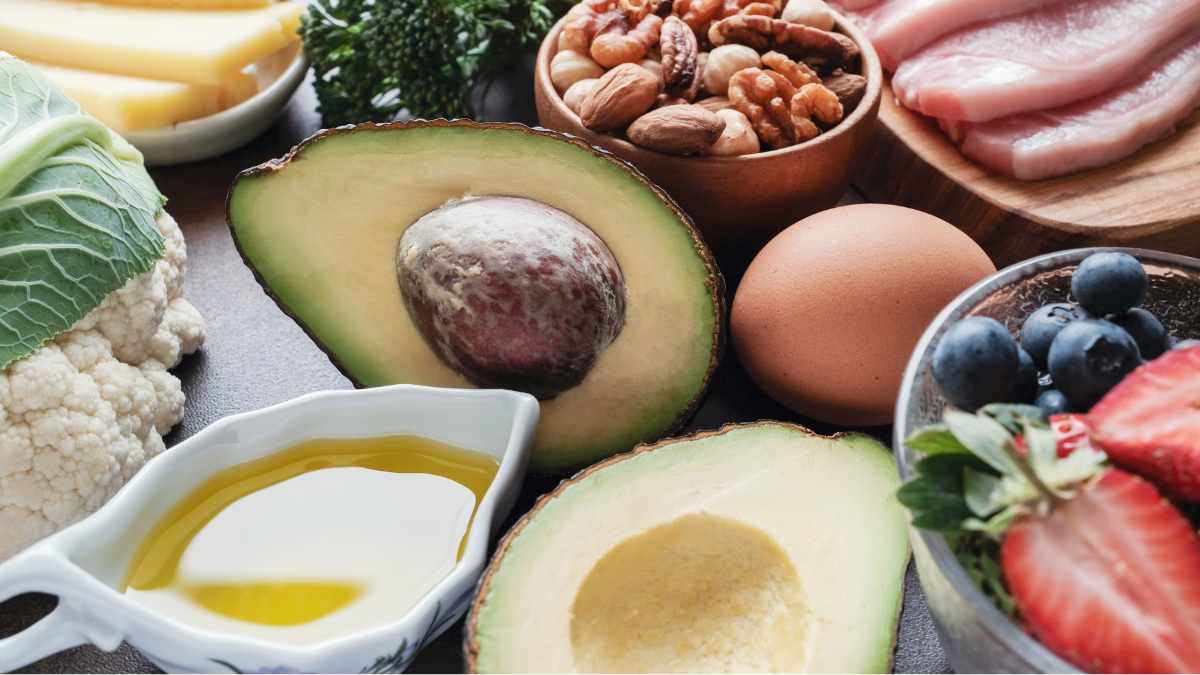
The primary distinction between dirty keto and clean keto lies in the quality of the foods consumed. Clean keto focuses on whole, unprocessed foods that are rich in nutrients, vitamins, and minerals. This approach emphasizes the importance of food quality and encourages the intake of healthy fats from sources like avocados, nuts, and olive oil, along with lean proteins and non-starchy vegetables.
In contrast, dirty keto allows for the inclusion of processed foods that may be high in unhealthy fats, additives, and preservatives. For example, while clean keto might promote grass-fed butter and organic meats, dirty keto could include margarine and processed meats laden with sodium and fillers. This difference in food quality can significantly impact overall health, even if both approaches maintain similar macronutrient ratios.
Another key difference is the potential long-term sustainability of each diet. Clean keto tends to promote a healthier relationship with food, encouraging individuals to make informed choices that support their overall well-being. On the other hand, dirty keto may lead to cravings for unhealthy foods and a cycle of poor eating habits, making it harder to maintain the diet in the long run.
Finally, the health outcomes associated with each approach can vary widely. Clean keto is often linked to improved metabolic health, better energy levels, and enhanced nutrient intake, while dirty keto may contribute to negative health effects such as inflammation, nutrient deficiencies, and increased risk of chronic diseases.
Common Ingredients Found in Dirty Keto Foods
Dirty keto foods often include a range of processed items that meet the macronutrient requirements of the diet but lack nutritional value. Common ingredients found in this category include processed meats like hot dogs, bacon, and sausage, which are high in saturated fats and sodium but may contain preservatives and fillers that are not beneficial for health.
Another staple of dirty keto is fast food, which can be a convenient option for those on the go. Burgers without buns, fried chicken, and low-carb wraps are popular choices. While these foods can fit the macronutrient criteria, they often contain unhealthy oils, additives, and a lack of essential nutrients that are critical for overall health.
Snacks also play a significant role in dirty keto. Many individuals turn to chips, cheese puffs, and other processed snacks that are marketed as low-carb. These products can be high in unhealthy fats and artificial ingredients, contributing to a diet that lacks balance and essential nutrients.
Lastly, sugary beverages and artificially sweetened products are common in dirty keto. Diet sodas and sugar-free snacks may seem like a viable option, but they often contain artificial sweeteners and chemicals that can have adverse effects on health, including potential impacts on gut health and insulin sensitivity.
Nutritional Implications of Consuming Dirty Keto Foods
The nutritional implications of consuming dirty keto foods can be significant. While individuals may initially experience weight loss due to the caloric restrictions and macronutrient ratios, the long-term effects on health can be concerning. A diet high in processed foods and unhealthy fats can lead to nutrient deficiencies, as these foods often lack essential vitamins and minerals.
Moreover, the reliance on processed foods can contribute to increased inflammation in the body. Many dirty keto foods contain additives, preservatives, and unhealthy fats that can trigger inflammatory responses, potentially leading to chronic health issues over time. This inflammation can counteract some of the benefits associated with a ketogenic diet, such as improved metabolic health and reduced risk of certain diseases.
Another critical aspect is the impact on gut health. A diet devoid of fiber-rich foods, which are typically found in whole, unprocessed foods, can lead to digestive issues and an imbalance in gut microbiota. This imbalance can have far-reaching effects on overall health, including immune function and mental health.
Finally, the psychological effects of dirty keto should not be overlooked. The consumption of low-quality foods can lead to feelings of guilt and shame, which can foster an unhealthy relationship with food. This mental aspect can make it challenging for individuals to maintain a balanced approach to eating, ultimately affecting their long-term success on the diet.
Identifying Dirty Keto Options in Grocery Stores
Identifying dirty keto options in grocery stores requires a keen eye and an understanding of food labels. One of the first steps is to look for products that are marketed as "low-carb" or "keto-friendly." While these labels can be enticing, it is essential to scrutinize the ingredient list for unhealthy additives, preservatives, and artificial sweeteners.
Processed meats are often a staple in dirty keto diets, so it’s important to read labels carefully. Look for products that contain minimal ingredients and avoid those with added sugars, fillers, or preservatives. Opting for higher-quality sources of protein, like grass-fed meats or organic poultry, can help mitigate some of the negative effects associated with processed options.
Snacks are another area where dirty keto options abound. Many packaged snacks claim to be low in carbs but are high in unhealthy fats and artificial ingredients. It’s advisable to choose snacks that are made from whole ingredients, such as nuts or seeds, rather than processed chips or bars that may contain hidden sugars and unhealthy oils.
Finally, beverages can be a significant source of hidden sugars and unhealthy ingredients. While diet sodas and artificially sweetened drinks may seem like a safe choice, they often contain chemicals that can have adverse effects on health. Opting for water, herbal teas, or homemade beverages can provide a healthier alternative while still adhering to the ketogenic principles.
Strategies for Balancing Dirty Keto with Nutritional Needs
Balancing dirty keto with nutritional needs requires a strategic approach to food choices. One effective strategy is to incorporate nutrient-dense foods into the diet whenever possible. This can include adding leafy greens, avocados, and high-quality proteins to meals, which can help offset the negative effects of consuming processed foods.
Meal planning can also play a crucial role in maintaining a balanced diet. By preparing meals in advance, individuals can ensure they have access to healthier options and reduce the temptation to rely on dirty keto foods. This proactive approach can help individuals stay on track with their nutritional goals while still enjoying the benefits of a ketogenic diet.
Another important strategy is to practice mindful eating. This involves paying attention to hunger cues and making conscious choices about food intake. By being aware of what is being consumed, individuals can make better decisions that align with their health goals, even when indulging in dirty keto options.
Lastly, regular monitoring of health markers can provide valuable insights into the effects of dirty keto on overall well-being. Keeping track of metrics such as weight, energy levels, and blood markers can help individuals assess how their dietary choices are impacting their health and make adjustments as needed.
Conclusions:
Dirty keto presents a flexible approach to the ketogenic diet, allowing for convenience and ease of adherence. However, the potential health implications of consuming low-quality foods cannot be ignored. Understanding the differences between dirty and clean keto, recognizing common ingredients, and implementing strategies to balance nutritional needs are essential for anyone considering this dietary path. By making informed choices, individuals can navigate the world of dirty keto while still prioritizing their health and well-being.
Read more
- Healthline – Dirty Keto: What It Is and How It Differs from Clean Keto – This article provides an overview of dirty keto and its implications for health.
- Diet Doctor – Dirty Keto vs. Clean Keto – A detailed comparison of the two approaches to the ketogenic diet.
- Verywell Fit – The Risks of Dirty Keto – An exploration of the potential health risks associated with dirty keto.
- KetoConnect – What is Dirty Keto? – A comprehensive guide to understanding dirty keto and its effects on health.
- Nutritional Psychiatry – The Impact of Diet on Mental Health – Insights into how diet, including keto variations, can affect mental health.