

Introduction:
In recent years, the ketogenic diet has gained significant popularity, particularly among those seeking to lose weight or manage certain health conditions. A key principle of this diet is the reduction of carbohydrate intake, which has led to the exploration of alternatives to traditional high-carb foods. One such alternative is the concept of "keto potatoes." These alternatives aim to replicate the texture and flavor of potatoes while adhering to the low-carb guidelines of the ketogenic diet. This article delves into what keto potatoes are, their nutritional profiles, the science behind them, common ingredients used in their preparation, health benefits, and practical cooking tips.
Understanding the Concept of Keto Potatoes in Diets
Keto potatoes are not potatoes in the traditional sense but rather alternatives designed to mimic the taste and texture of potatoes while being low in carbohydrates. The primary goal is to provide a satisfying substitute for those on a ketogenic diet who miss the comfort of traditional potato dishes. These alternatives often include vegetables such as cauliflower, rutabaga, and turnips, which can be prepared in ways that resemble mashed potatoes, fries, or even potato salad.
The concept of keto potatoes aligns with the ketogenic diet’s focus on high-fat, moderate-protein, and low-carbohydrate intake. By replacing traditional potatoes with keto-friendly options, individuals can enjoy familiar dishes without derailing their dietary goals. This approach not only satisfies cravings but also supports the metabolic state of ketosis, where the body burns fat for fuel instead of carbohydrates.
Incorporating keto potatoes into meals can also enhance variety in a diet that might otherwise feel restrictive. By experimenting with different vegetables and cooking methods, individuals can create a range of dishes that keep mealtime interesting. This adaptability is crucial for long-term adherence to dietary changes and can help prevent feelings of deprivation.
Ultimately, understanding the concept of keto potatoes is about recognizing the importance of maintaining dietary preferences while adhering to a low-carb lifestyle. This understanding fosters creativity in the kitchen and encourages individuals to explore new flavors and textures that align with their health goals.
Nutritional Profile: Comparing Keto Potatoes to Traditional Varieties
When comparing the nutritional profiles of keto potatoes and traditional potatoes, the differences are striking. Traditional white potatoes are high in carbohydrates, with approximately 37 grams of carbs per 100 grams. In contrast, many keto potato alternatives, such as cauliflower, contain only about 5 grams of carbohydrates per 100 grams. This significant reduction in carbohydrate content makes keto potatoes a more suitable option for those following a ketogenic diet.
In addition to lower carbohydrate levels, keto potatoes often provide a different array of nutrients. For example, cauliflower is rich in vitamin C, vitamin K, and folate, while traditional potatoes are a good source of potassium and vitamin B6. While both types of vegetables offer health benefits, the lower carbohydrate content of keto potatoes makes them a more favorable choice for those aiming to maintain ketosis.
Furthermore, the fiber content in keto potatoes can vary based on the vegetable used. For instance, cauliflower contains about 2 grams of fiber per 100 grams, contributing to digestive health and satiety. In contrast, traditional potatoes have about 2.2 grams of fiber, which is relatively similar but still comes with a higher carb count. This highlights the importance of considering both carbohydrates and fiber when evaluating the nutritional profile of these alternatives.
In summary, keto potatoes offer a compelling nutritional profile that supports the goals of the ketogenic diet. By providing lower carbohydrate options rich in essential nutrients, they allow individuals to enjoy familiar flavors without compromising their dietary restrictions.
The Science Behind Low-Carbohydrate Potato Alternatives
The science behind low-carbohydrate potato alternatives lies in the biochemical processes of the body and how it responds to different types of carbohydrates. Traditional potatoes are primarily composed of starch, a polysaccharide that breaks down into glucose, leading to spikes in blood sugar levels. For individuals on a ketogenic diet, such spikes can hinder the process of ketosis, where the body relies on fat for energy instead of carbohydrates.
Keto potato alternatives, such as cauliflower and turnips, contain fewer starches and sugars, making them less likely to disrupt blood sugar levels. This is particularly important for those managing insulin sensitivity or diabetes, as stable blood sugar levels are crucial for overall health. The lower glycemic index of these alternatives means they can provide sustained energy without the crash that often follows high-carb meals.
Moreover, the preparation methods for keto potatoes can further enhance their health benefits. Techniques such as roasting, steaming, or sautéing can preserve nutrients while adding flavor without unnecessary calories or carbohydrates. For example, roasting cauliflower with olive oil and herbs can create a delicious, low-carb side dish that satisfies cravings for traditional potato dishes.
Understanding the science behind these alternatives not only informs dietary choices but also empowers individuals to make healthier decisions that align with their lifestyle goals. By choosing low-carb options, they can maintain a balanced diet while enjoying the flavors and textures they love.
Common Ingredients Used in Keto Potato Recipes Explained
Keto potato recipes often incorporate a variety of ingredients that enhance flavor and texture while keeping carbohydrate content low. One of the most popular base ingredients is cauliflower, which can be transformed into mashed "potatoes," rice, or even pizza crusts. Its mild flavor allows it to absorb seasonings well, making it a versatile option for many dishes.
Another common ingredient is rutabaga, which has a slightly sweet and earthy flavor. Rutabaga can be sliced into fries or cubed for roasting, providing a satisfying crunch that resembles traditional potato dishes. Its higher fiber content compared to regular potatoes also makes it a beneficial addition to a low-carb diet.
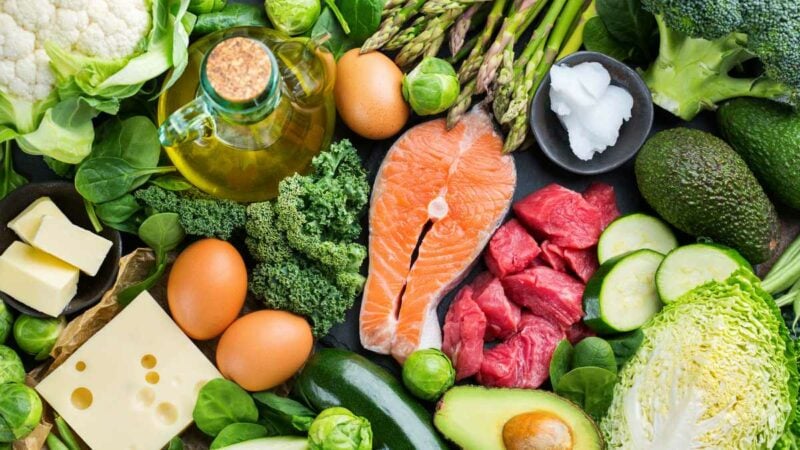
Cheese is frequently used in keto potato recipes to add creaminess and richness. Varieties such as cream cheese, cheddar, or Parmesan can enhance the flavor profile of dishes like cauliflower gratin or cheesy mashed "potatoes." The addition of cheese not only improves taste but also contributes to the overall fat content, aligning with ketogenic dietary principles.
Herbs and spices play a crucial role in elevating the flavors of keto potato recipes. Ingredients like garlic, rosemary, thyme, and paprika can transform simple vegetable preparations into gourmet dishes. By using fresh herbs and spices, individuals can create satisfying meals that are both delicious and compliant with their dietary needs.
Health Benefits of Incorporating Keto Potatoes in Meals
Incorporating keto potatoes into meals offers several health benefits that align with the goals of a ketogenic diet. One of the most significant advantages is the reduction in carbohydrate intake, which can lead to improved weight management. By substituting high-carb foods with low-carb alternatives, individuals can create a caloric deficit that supports weight loss.
Additionally, keto potatoes often come with a higher fiber content, which is essential for digestive health. Fiber aids in regular bowel movements, helps control blood sugar levels, and promotes a feeling of fullness. This can be particularly beneficial for those looking to manage their appetite and reduce snacking between meals.
The use of low-carb alternatives can also support metabolic health. By minimizing carbohydrate intake, individuals can enhance insulin sensitivity and reduce the risk of developing type 2 diabetes. The stable blood sugar levels associated with low-carb diets can lead to increased energy levels and improved mental clarity, making it easier to maintain an active lifestyle.
Furthermore, the variety of nutrients found in keto potatoes can contribute to overall health and well-being. By incorporating a range of vegetables, individuals can ensure they receive essential vitamins and minerals necessary for optimal functioning. This diversity in the diet can also help prevent nutrient deficiencies that may arise from overly restrictive eating patterns.
Practical Tips for Cooking and Enjoying Keto Potatoes
Cooking with keto potatoes can be both enjoyable and rewarding, especially when employing a few practical tips. First, it’s essential to choose the right vegetable for the desired dish. For instance, if you’re craving mashed potatoes, cauliflower is an excellent choice due to its creamy texture when blended. On the other hand, if you’re looking for a crunchy side, rutabaga or turnips can be sliced into fries or wedges and roasted to perfection.
Another tip is to experiment with seasoning and flavoring. Since keto potatoes often have a milder taste than traditional potatoes, enhancing them with herbs, spices, and healthy fats can significantly elevate the dish. Consider using garlic powder, onion powder, or nutritional yeast to add depth and richness to your recipes.
When preparing keto potatoes, consider the cooking method as well. Steaming or boiling can retain nutrients, while roasting can bring out natural sweetness and create a satisfying texture. Utilizing healthy fats, such as olive oil or avocado oil, not only enhances flavor but also aligns with the high-fat principles of the ketogenic diet.
Lastly, meal prepping with keto potatoes can simplify weeknight dinners. Preparing large batches of cauliflower rice or mashed cauliflower can make it easy to incorporate these alternatives into various meals throughout the week. By having keto potatoes ready to go, individuals can save time and ensure they stay on track with their dietary goals.
Conclusions:
Keto potatoes represent a creative solution for those following a ketogenic diet, allowing them to enjoy the flavors and textures of traditional potatoes without the associated carbohydrate load. By understanding the nutritional profiles, the science behind low-carb alternatives, and the common ingredients used in recipes, individuals can make informed choices that support their health goals. The health benefits of incorporating these alternatives into meals are significant, from improved weight management to enhanced metabolic health. With practical cooking tips, anyone can enjoy the versatility and satisfaction that keto potatoes offer.
Read more
- Keto Diet Basics – An overview of the ketogenic diet, its principles, and health benefits.
- Nutritional Comparison of Potatoes – A comprehensive database for comparing the nutritional profiles of various foods, including potatoes and their alternatives.
- Cauliflower: The Keto-Friendly Vegetable – An article discussing the health benefits and uses of cauliflower in a ketogenic diet.
- Understanding Low-Carb Diets – A detailed look into low-carb diets, including their effects on weight loss and health.
- Healthy Cooking Methods – Tips on healthy cooking methods that can enhance the nutritional value of meals.