

Introduction:
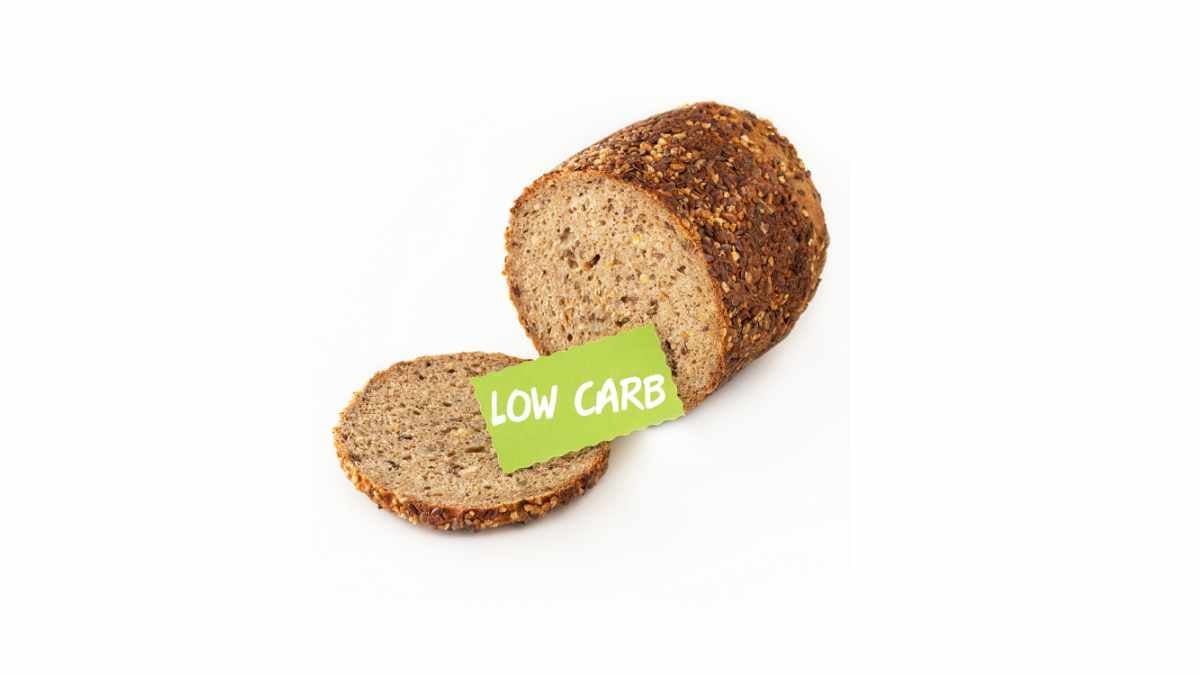
The ketogenic diet has gained significant traction as a popular dietary approach for weight loss and improved health. At its core, this diet aims to shift the body’s metabolism from relying on carbohydrates for energy to utilizing fat as its primary fuel source. This metabolic state, known as ketosis, is achieved through specific dietary changes that drastically reduce carbohydrate intake while increasing fat consumption. Understanding the principles behind ketosis and how to effectively implement a ketogenic diet is crucial for anyone looking to harness its benefits.
Understanding Ketosis: The Science Behind the Process
Ketosis is a metabolic state characterized by elevated levels of ketone bodies in the blood, which occurs when the body shifts from using glucose as its primary energy source to utilizing fat. When carbohydrate intake is significantly reduced, the body depletes its glycogen stores and begins to break down fatty acids in the liver, converting them into ketones. These ketones then serve as an alternative energy source for various tissues, including the brain.
The process of entering ketosis typically takes several days to weeks, depending on individual metabolic factors and dietary adherence. During this transition, individuals may experience symptoms known as the "keto flu," which can include fatigue, irritability, and headaches. However, these symptoms are usually temporary and subside as the body adapts to burning fat for fuel.
The benefits of ketosis extend beyond weight loss; numerous studies suggest that it may also improve mental clarity, enhance energy levels, and support metabolic health. Additionally, ketosis has been explored for its potential therapeutic effects on various neurological disorders, such as epilepsy and Alzheimer’s disease, highlighting its significance in both weight management and overall health.
Understanding the biochemical processes involved in ketosis provides a foundation for effectively implementing a ketogenic diet. By recognizing how the body transitions to burning fat, individuals can better appreciate the importance of dietary choices and their impact on achieving and maintaining this metabolic state.
Key Components of a Ketogenic Diet Explained
A ketogenic diet primarily consists of three macronutrients: fats, proteins, and carbohydrates. The key to achieving ketosis lies in the careful manipulation of these macronutrients, particularly the drastic reduction of carbohydrates. Typically, a standard ketogenic diet consists of approximately 70-75% fats, 20-25% proteins, and only 5-10% carbohydrates.
Fats are the cornerstone of the ketogenic diet, providing the majority of calories consumed. Healthy fat sources include avocados, nuts, seeds, olive oil, and fatty fish. These fats not only supply energy but also support essential bodily functions, including hormone production and nutrient absorption.
Proteins play a crucial role in maintaining muscle mass and supporting metabolic processes. However, it is essential to consume protein in moderation, as excessive protein can be converted into glucose through gluconeogenesis, potentially hindering the state of ketosis. Ideal protein sources include grass-fed meats, poultry, eggs, and dairy products.
Carbohydrates must be minimized to induce ketosis effectively. This means avoiding high-carb foods such as grains, sugars, and starchy vegetables. Instead, individuals should focus on low-carb vegetables, such as leafy greens, broccoli, and cauliflower, which provide essential nutrients without significantly impacting carbohydrate intake.
Macronutrient Ratios for Achieving Ketosis Effectively
To successfully enter and maintain ketosis, adhering to specific macronutrient ratios is essential. While individual needs may vary based on factors such as age, gender, activity level, and metabolic health, a common macronutrient distribution for a ketogenic diet is approximately 70-75% fats, 20-25% proteins, and 5-10% carbohydrates.
The high-fat content is crucial for providing the body with the energy it requires while simultaneously suppressing hunger and cravings. Healthy fats, such as those found in avocados, nuts, and coconut oil, should be prioritized to ensure adequate nutrient intake and support overall health.
Protein intake should be sufficient to meet the body’s needs without exceeding the threshold that could lead to gluconeogenesis. Generally, aiming for around 1.2 to 1.5 grams of protein per kilogram of body weight is advisable for those following a ketogenic diet. This approach helps preserve lean muscle mass while promoting fat loss.
Carbohydrate intake should be restricted to around 20-50 grams per day, depending on individual tolerance and activity levels. It is essential to focus on high-fiber, low-carb foods to maintain digestive health while achieving ketosis. Tracking macronutrient intake through apps or food diaries can help individuals stay within their prescribed ratios and optimize their ketogenic journey.
Foods to Include: Building a Ketogenic Meal Plan
Creating a ketogenic meal plan involves selecting foods that align with the desired macronutrient ratios. Healthy fats should dominate the diet, with options such as olive oil, coconut oil, butter, and ghee being excellent choices. These fats can be used for cooking or as dressings for salads and vegetables.
Proteins should come from high-quality sources, including grass-fed meats, wild-caught fish, eggs, and full-fat dairy products. Incorporating a variety of protein sources can help ensure a well-rounded nutrient profile while keeping meals interesting.
Low-carb vegetables are essential for providing vitamins, minerals, and fiber while keeping carbohydrate intake low. Leafy greens, zucchini, bell peppers, and asparagus are excellent choices that can be included in salads, stir-fries, and side dishes.
Finally, snacks can be an important part of a ketogenic meal plan. Options such as nuts, seeds, cheese, and hard-boiled eggs can help curb cravings and provide quick energy between meals. Planning meals and snacks ahead of time can help individuals stay on track and avoid unintentional carbohydrate consumption.
Common Pitfalls: Avoiding Mistakes in Ketogenic Dieting
While the ketogenic diet can be highly effective, several common pitfalls can hinder success. One significant mistake is not adequately tracking macronutrient intake. Without careful monitoring, individuals may unknowingly consume too many carbohydrates or insufficient fats, preventing them from entering or maintaining ketosis.
Another common error is neglecting to consume enough electrolytes, particularly sodium, potassium, and magnesium. As the body adapts to ketosis, it excretes more water and electrolytes, which can lead to imbalances and symptoms such as fatigue and muscle cramps. Including electrolyte-rich foods or supplements can help mitigate these issues.
Additionally, some individuals may fall into the trap of consuming excessive protein, believing that it is harmless. However, too much protein can lead to gluconeogenesis, where the body converts protein into glucose, ultimately hindering ketosis. It is crucial to find a balance that supports muscle maintenance without exceeding protein needs.
Lastly, many people may experience cravings for carbohydrates during the initial stages of the diet. It is essential to have strategies in place to combat these cravings, such as incorporating more healthy fats into meals or finding low-carb alternatives to favorite high-carb foods. Understanding these pitfalls and actively working to avoid them can significantly enhance the chances of success on a ketogenic diet.
Monitoring Ketosis: Tools and Techniques for Success
Monitoring ketosis is vital for individuals following a ketogenic diet to ensure they are achieving their desired metabolic state. There are several methods available to assess whether the body is in ketosis, each with its own advantages and limitations.
One of the most common methods is urine testing, which involves using ketone test strips that measure the presence of acetoacetate in urine. While this method is convenient and non-invasive, it may not be as accurate for long-term monitoring, as the body adapts to ketosis, leading to lower levels of ketones excreted in urine.
Blood testing is considered the gold standard for measuring ketosis, as it directly assesses the levels of beta-hydroxybutyrate (BHB) in the bloodstream. Blood ketone meters are available for home use and provide a precise measurement of ketosis levels, allowing individuals to adjust their diet accordingly.
Another method is breath testing, which measures acetone levels in the breath. While this method is less invasive than blood testing, it may not be as widely available or accurate as blood tests. However, it can still provide useful insights into whether the body is in ketosis.
In addition to testing, keeping a food diary or using mobile apps to track food intake and macronutrient ratios can help individuals stay accountable and make necessary adjustments to their diet. Combining these tools and techniques can enhance the likelihood of achieving and maintaining ketosis effectively.
Conclusions:
The ketogenic diet offers a unique approach to weight management and metabolic health by shifting the body’s primary energy source from carbohydrates to fats. Understanding the science behind ketosis, the key components of a ketogenic diet, and the importance of macronutrient ratios is essential for success. By carefully selecting foods, avoiding common pitfalls, and monitoring ketosis effectively, individuals can harness the benefits of this dietary strategy.
Read more:
- Keto Diet Basics – A comprehensive overview of the ketogenic diet, its principles, and benefits.
- The Science of Ketosis – An in-depth scientific exploration of the metabolic processes involved in ketosis.
- Macronutrient Ratios for Keto – Guidelines for determining the ideal macronutrient ratios for a ketogenic diet.
- Common Mistakes on Keto – A list of common pitfalls to avoid while following a ketogenic diet.
- Monitoring Ketosis – An overview of various methods and tools for effectively monitoring ketosis.