

Introduction:
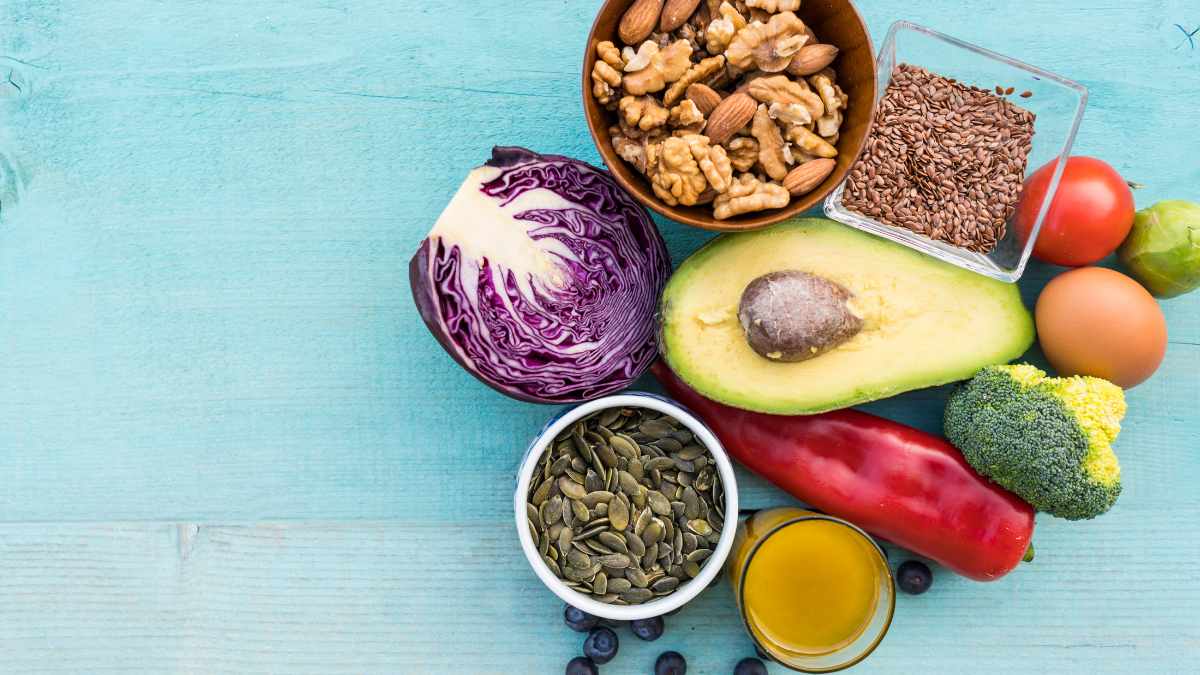
The ketogenic diet has gained immense popularity in recent years, primarily due to its potential for weight loss and health benefits. This low-carbohydrate, high-fat diet encourages the body to enter a state of ketosis, where it burns fat for fuel instead of carbohydrates. As individuals embark on this dietary journey, understanding what beverages are compatible with the ketogenic lifestyle becomes crucial. This article will explore the principles of the ketogenic diet, key nutritional components of keto-friendly drinks, evaluate popular beverages, and suggest low-carb alternatives to help maintain hydration while adhering to keto guidelines.
Understanding the Ketogenic Diet and Its Principles
The ketogenic diet is fundamentally about altering the body’s metabolic state. By significantly reducing carbohydrate intake and replacing it with fat, the body shifts from relying on glucose for energy to utilizing ketones, which are produced from fat. This metabolic shift is accompanied by various physiological changes, including decreased insulin levels and increased fat oxidation. Understanding these principles is essential for anyone considering the diet, as it lays the groundwork for making informed choices about food and beverages.
A typical ketogenic diet comprises approximately 70-75% fat, 20-25% protein, and only 5-10% carbohydrates. This macronutrient distribution is designed to promote fat burning and maintain stable blood sugar levels. When it comes to beverages, it’s important to recognize that many drinks can inadvertently introduce carbohydrates, thus hindering the state of ketosis. Therefore, individuals must be vigilant about their drink choices to ensure they align with the diet’s principles.
Moreover, the ketogenic diet is not just about macronutrient ratios; it also emphasizes the quality of food and drink consumed. Whole, unprocessed foods are favored, as they provide essential nutrients without unnecessary additives. This principle extends to beverages as well, where the focus should be on those that are low in sugar and carbohydrates while being rich in beneficial compounds.
Finally, understanding the ketogenic diet’s principles is essential for long-term adherence. It is not merely a short-term weight loss strategy but a lifestyle change that can lead to improved metabolic health, mental clarity, and overall well-being when followed correctly. This understanding will guide individuals in selecting drinks that support their ketogenic journey.
Key Nutritional Components of Keto-Friendly Beverages
When evaluating beverages for their compatibility with a ketogenic diet, several key nutritional components must be considered. The foremost is carbohydrate content; drinks should ideally contain minimal to zero carbohydrates to avoid disrupting ketosis. This means avoiding sugary drinks, including sodas, fruit juices, and sweetened teas, which can quickly lead to an increase in blood sugar levels.
Another important component is the presence of healthy fats. While most beverages are not significant sources of fat, certain options, like bulletproof coffee or smoothies made with avocado or coconut oil, can provide beneficial fats that align with the ketogenic diet. These fats not only contribute to the macronutrient ratio but also promote satiety, making them excellent choices for those on a keto regimen.
Additionally, the quality of ingredients plays a vital role in determining the healthfulness of a beverage. Natural, whole-food ingredients are preferable, as they are less likely to contain hidden sugars and unhealthy additives. For instance, herbal teas and homemade infusions can provide hydration without the risk of unwanted carbohydrates.
Lastly, electrolytes are a crucial consideration for those on a ketogenic diet. As the body transitions into ketosis, it tends to excrete more water and electrolytes, leading to potential deficiencies. Therefore, beverages that are rich in electrolytes, such as bone broth or electrolyte-enhanced waters, can be beneficial for maintaining balance and preventing symptoms of the "keto flu."
Evaluating Popular Drinks for Keto Compatibility
When assessing popular drinks for their compatibility with a ketogenic lifestyle, it’s essential to look beyond just the carbohydrate content. For instance, coffee is a staple for many, and when consumed black or with a splash of heavy cream, it can be an excellent keto-friendly choice. However, adding sugar or flavored syrups can quickly turn it into a high-carb beverage, undermining the diet’s goals.
Tea is another widely consumed drink that can fit well within a keto framework. Unsweetened green, black, or herbal teas provide hydration without carbohydrates. Adding a dash of cream or a keto-friendly sweetener can enhance flavor while keeping the carb count low. It’s crucial to avoid sweetened bottled teas, as they often contain hidden sugars that can disrupt ketosis.
Alcohol presents a more complex challenge for those on a ketogenic diet. While some spirits like vodka, gin, and whiskey are low in carbohydrates, mixers can add significant sugars. Opting for drinks like dry wine or spirits mixed with soda water can keep carb counts low. However, moderation is key, as alcohol can impact ketosis and overall health.
Lastly, smoothies can be a tricky area. While they can be nutrient-dense, many store-bought options are loaded with sugars and fruit. Homemade smoothies using low-carb ingredients like spinach, avocado, and unsweetened almond milk can be a delicious and satisfying choice, provided they are carefully crafted to avoid high-carb fruits and sweeteners.
Low-Carb Alternatives: Best Drinks for a Keto Diet
For those adhering to a ketogenic diet, several low-carb alternatives can enhance hydration while keeping carbohydrate intake at bay. Water is, of course, the best choice, and it can be enjoyed plain or infused with herbs, citrus, or berries in moderation. This not only adds flavor but also provides a refreshing alternative to plain water.
Sparkling water is another excellent option, offering the fizz many enjoy without the carbohydrates found in sodas. Flavored sparkling waters without added sugars can provide a satisfying alternative to sugary drinks. Brands that use natural flavors and no sweeteners are particularly appealing for those on a keto diet.
Bone broth has gained popularity as a nourishing beverage that is also rich in electrolytes and low in carbohydrates. It can be consumed as a warm drink, providing comfort and hydration while supporting overall health. Additionally, it contains collagen, which can be beneficial for skin and joint health, making it a nutritious choice for those on a keto diet.
Lastly, unsweetened nut milks, such as almond or coconut milk, can be used in various recipes or enjoyed on their own. These alternatives are typically low in carbohydrates and can be a great addition to coffee or smoothies. When selecting nut milks, it’s essential to check labels for added sugars and choose unsweetened varieties to maintain keto compliance.
Hydration Strategies: Staying Keto While Drinking
Maintaining proper hydration while on a ketogenic diet is crucial, as the body tends to excrete more water and electrolytes during ketosis. One effective strategy is to increase water intake, ensuring that hydration levels are consistently maintained. Carrying a reusable water bottle can serve as a reminder to drink throughout the day.
Incorporating electrolyte-rich beverages can also support hydration. Options like electrolyte-enhanced waters or homemade electrolyte drinks using salt, lemon juice, and potassium-rich ingredients can help replenish lost minerals. This is particularly important during the initial stages of the ketogenic diet, where symptoms of electrolyte imbalance can occur.
Herbal teas can be a delightful way to stay hydrated while enjoying various flavors. Many herbal teas are naturally caffeine-free and can be consumed hot or iced. They also offer additional health benefits, depending on the herbs used, such as anti-inflammatory properties or digestive support.
Finally, being mindful of caffeine intake is essential. While coffee and tea can be keto-friendly, excessive caffeine can lead to dehydration. Balancing caffeinated beverages with plenty of water and herbal teas can help maintain hydration levels while still enjoying the benefits of your favorite drinks.
Conclusions:
In conclusion, navigating the world of beverages while adhering to a ketogenic diet requires careful consideration of carbohydrate content, ingredient quality, and hydration strategies. By understanding the principles of the ketogenic diet and evaluating drink options, individuals can make informed choices that support their health and wellness goals. From water and herbal teas to low-carb smoothies and bone broth, a variety of keto-friendly beverages can enhance the dietary experience without compromising ketosis.
Read more
- Keto Diet Basics – A comprehensive guide on the ketogenic diet, its principles, and how it works.
- The Importance of Hydration on Keto – Insights into hydration strategies specifically for those following a ketogenic diet.
- Evaluating Drinks for Keto – A detailed evaluation of various popular drinks and their compatibility with a ketogenic lifestyle.
- Electrolytes and the Keto Diet – An article discussing the importance of electrolytes and how to maintain balance on a keto diet.
- Keto-Friendly Beverages – A list of keto-friendly drinks and alternatives to consider while on the diet.