
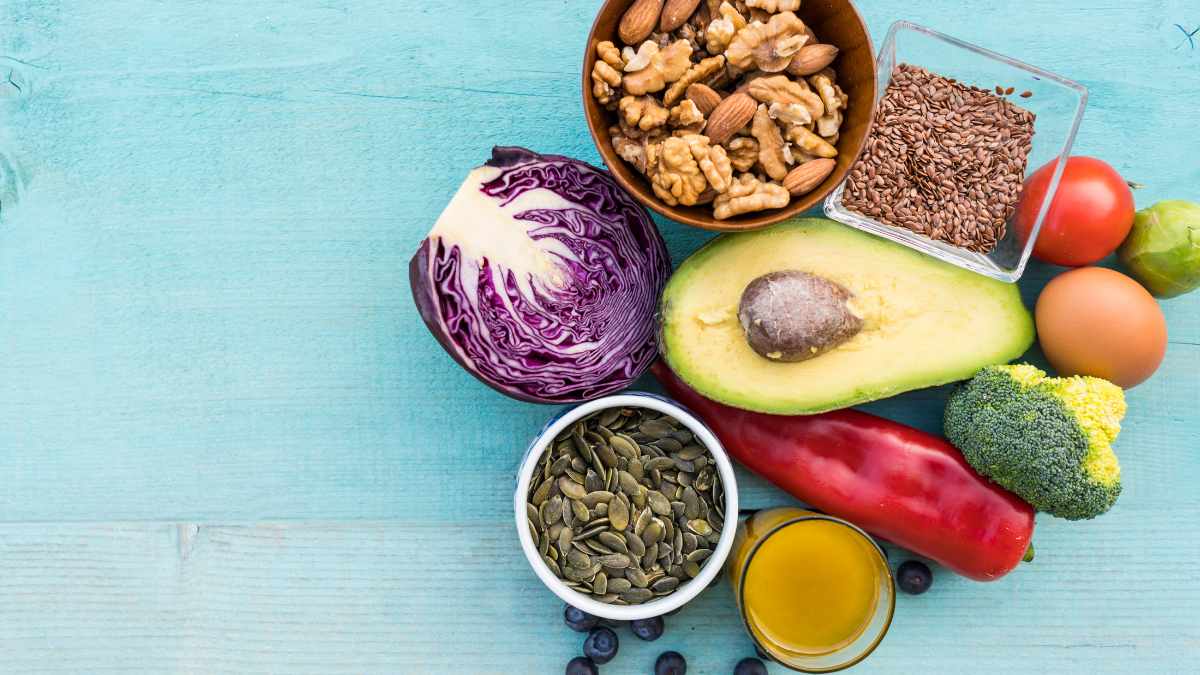

Introduction:
The ketogenic diet, commonly referred to as keto, is a high-fat, low-carbohydrate eating plan that has gained immense popularity for its potential to promote weight loss and improve metabolic health. By drastically reducing carbohydrate intake and replacing it with fat, the body enters a state of ketosis, where it becomes highly efficient at burning fat for energy. However, to achieve and maintain this metabolic state, it’s crucial to understand what foods are not allowed in a keto diet. This article explores the various categories of foods that should be avoided to ensure successful adherence to the ketogenic lifestyle.
Understanding the Ketogenic Diet: An Overview of Restrictions
The ketogenic diet is built on the principle of reducing carbohydrate intake to a minimum while increasing fat consumption. This shift in macronutrient ratios is designed to force the body into ketosis, a metabolic state where fat becomes the primary fuel source. To successfully navigate this dietary approach, it is essential to understand the restrictions that come with it.
Keto dieters typically aim for a macronutrient breakdown of approximately 70-75% fat, 20-25% protein, and only 5-10% carbohydrates. This means that the majority of daily caloric intake must come from fats, while carbohydrates should be limited to around 20-50 grams per day, depending on individual factors such as activity level and metabolic health.
In order to maintain this delicate balance, individuals must be vigilant about their food choices. Not all foods are created equal, and many seemingly healthy options can contain hidden carbohydrates that can disrupt ketosis. Understanding what foods to avoid is crucial for anyone looking to succeed on a ketogenic diet.
Ultimately, the goal of the ketogenic diet is not just about weight loss; it also aims to improve overall health markers, such as blood sugar levels and cholesterol profiles. Adhering to the dietary restrictions is essential for achieving these benefits, making it imperative to identify and eliminate non-keto foods from one’s diet.
High-Carbohydrate Foods: The Main Offenders in Keto
The most significant category of foods to avoid on a ketogenic diet is high-carbohydrate foods. These foods can quickly elevate blood sugar levels and kick the body out of ketosis. Common culprits include bread, pasta, rice, and most grains. These staples are often consumed in large quantities and can easily exceed the daily carbohydrate limit.
In addition to grains, many processed snacks and sweets are laden with carbohydrates. Items such as chips, cookies, and candy are not only high in carbs but also often contain unhealthy fats and sugars, making them doubly detrimental to a keto diet. It is essential to read labels carefully and be aware of the carbohydrate content in packaged foods.
Fruits, while generally considered healthy, can also pose a challenge for those on a ketogenic diet. Most fruits are high in natural sugars, which can contribute to carbohydrate intake. Berries are an exception, as they are lower in sugar compared to other fruits, but even they should be consumed in moderation.
Finally, it’s important to recognize that liquid carbohydrates can also derail ketosis. Sugary beverages, fruit juices, and even certain alcoholic drinks can contain significant amounts of carbohydrates, making them unsuitable for a keto lifestyle. Staying hydrated with water, herbal teas, or black coffee is the best option for those on a ketogenic diet.
Sugars and Sweeteners: What to Avoid for Ketosis
Sugars are one of the most obvious non-keto foods to avoid. This includes table sugar, honey, agave syrup, and maple syrup, all of which can spike blood glucose levels and inhibit the body’s ability to enter or maintain ketosis. These sweeteners are often found in a variety of processed foods and beverages, making it essential for keto dieters to be vigilant.
In addition to natural sugars, many artificial sweeteners can also be problematic. While some may have zero calories, they can still trigger insulin responses that can affect ketosis. Sweeteners such as aspartame and sucralose should be avoided, as they may not be as harmless as they seem.
However, not all sweeteners are off-limits. Stevia and erythritol are often considered keto-friendly alternatives, as they have minimal impact on blood sugar levels. It’s crucial to opt for these alternatives in moderation and to always check for any hidden sugars in products claiming to be low-carb.
Moreover, many sugar-free products can contain sugar alcohols, which can also contribute to carbohydrate intake. Understanding the carbohydrate content of these sweeteners is vital, as some sugar alcohols can still affect blood sugar levels. Being informed about which sweeteners are safe can help maintain ketosis while satisfying sweet cravings.
Starchy Vegetables: Identifying Hidden Carbs in Your Diet
Vegetables are often touted as a healthy addition to any diet, but not all vegetables are suitable for a ketogenic lifestyle. Starchy vegetables such as potatoes, corn, peas, and carrots are high in carbohydrates and should be avoided. These vegetables can quickly add up in carbohydrate content, making it challenging to stay within the daily limits.
Instead, keto dieters should focus on non-starchy vegetables, which are lower in carbohydrates and high in fiber. Options such as leafy greens, broccoli, cauliflower, and zucchini are excellent choices that can provide essential nutrients without compromising ketosis.
It’s also important to be mindful of portion sizes when consuming vegetables. Even non-starchy options can contribute to carbohydrate intake if eaten in large quantities. Tracking daily carbohydrate consumption can help ensure that even the healthiest vegetables fit within the keto framework.
In addition to fresh vegetables, it’s essential to be cautious with canned or frozen varieties, as they may contain added sugars or sauces that can increase carbohydrate content. Always check labels and opt for fresh or minimally processed options whenever possible.
Grains and Legumes: Why They Are Not Keto-Friendly
Grains and legumes are staples in many diets but are largely incompatible with a ketogenic lifestyle. Whole grains, including brown rice, quinoa, and oats, are often perceived as healthy options; however, they are high in carbohydrates and can significantly impact blood sugar levels. For those following a strict keto diet, these foods should be completely avoided.
Legumes, such as beans and lentils, while nutritious, are also high in carbohydrates. Chickpeas, black beans, and kidney beans can contribute a substantial amount of carbs, making them unsuitable for a ketogenic diet. Although they are a good source of protein and fiber, their carbohydrate content outweighs their benefits in the context of keto.
Even gluten-free grains, which are often considered healthier alternatives, can still pose a problem. Products made from rice flour, cornmeal, or other gluten-free grains can contain high levels of carbohydrates and should be avoided to maintain ketosis.
To replace grains and legumes, keto dieters can explore alternatives such as cauliflower rice, zucchini noodles, or shirataki noodles. These options provide a similar texture without the added carbohydrates, allowing for a satisfying meal without compromising dietary goals.
Processed Foods: The Risks of Hidden Carbohydrates
Processed foods are often laden with hidden carbohydrates, making them a significant risk for those on a ketogenic diet. Many packaged foods contain added sugars, starches, and other carbohydrate-rich ingredients that can quickly add up. Common processed items like sauces, dressings, and snacks often contain ingredients that are not keto-friendly.
It’s crucial to read ingredient labels carefully, as many products may claim to be low-carb or keto-friendly but still contain hidden sugars or starches. Terms like “sugar-free” or “low-fat” can be misleading, as manufacturers often replace fat with sugar or other carbohydrates to enhance flavor.
Additionally, many processed foods contain unhealthy fats, preservatives, and additives that can negatively impact overall health. Trans fats and hydrogenated oils are particularly concerning, as they can lead to inflammation and other health issues. Choosing whole, unprocessed foods is the best approach for anyone following a ketogenic diet.
Finally, the convenience of processed foods can make it tempting to indulge, but it’s essential to remain disciplined. Meal prepping and cooking from scratch can help ensure that meals are not only keto-friendly but also nutritious and satisfying.
Conclusions:
Adhering to a ketogenic diet requires a thorough understanding of which foods to avoid. By steering clear of high-carbohydrate foods, sugars, starchy vegetables, grains, legumes, and processed items, individuals can maintain ketosis and reap the benefits of this dietary approach. The key to success lies in careful planning, label reading, and making informed choices about food intake.
Read more:
- Keto Diet Basics – A comprehensive overview of the ketogenic diet, including its benefits and restrictions.
- Understanding Carbohydrates – An in-depth analysis of carbohydrates and their impact on the ketogenic diet.
- Keto-Friendly Foods – A detailed list of foods that are suitable for a ketogenic diet, along with tips for meal planning.
- The Role of Vegetables in Keto – A guide to the best and worst vegetables for a ketogenic lifestyle.
- Avoiding Hidden Carbs – Insight into processed foods and how to identify hidden carbohydrates in your diet.