
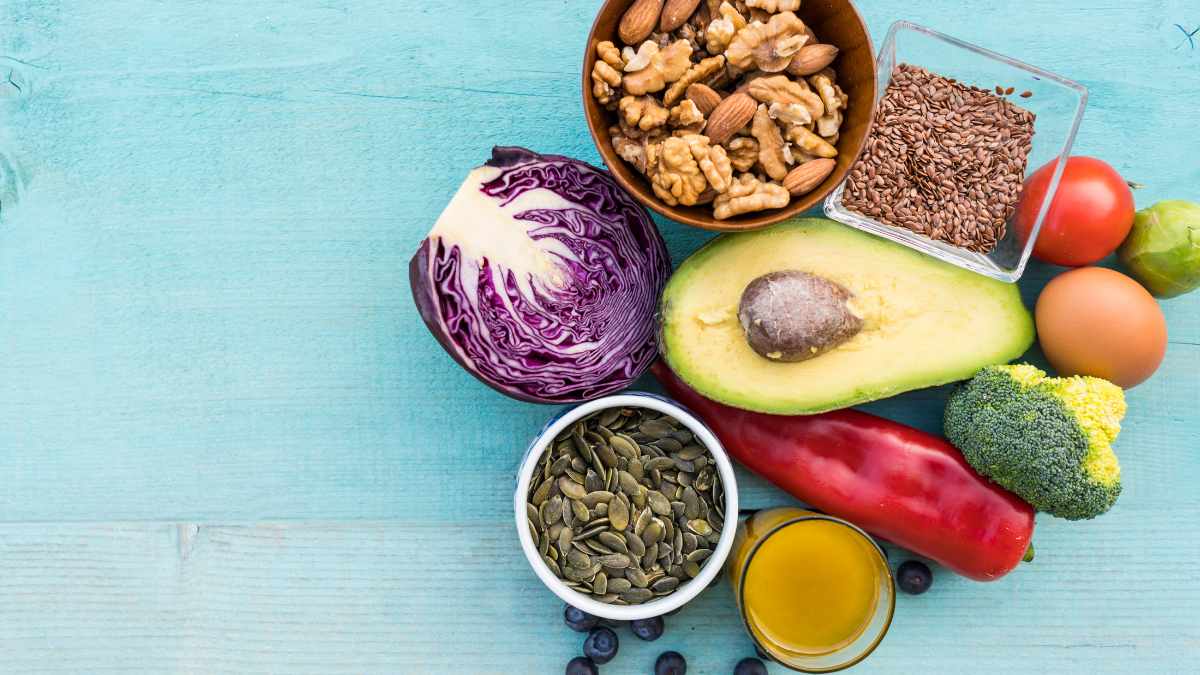

Introduction:
The ketogenic diet has gained significant popularity as a method for weight loss and improved health. It relies on a state of ketosis, where the body burns fat for fuel instead of carbohydrates. To achieve and maintain ketosis, dietary choices are crucial. Understanding which foods can disrupt this metabolic state is essential for anyone looking to benefit from a ketogenic lifestyle. This article will explore various food categories that can hinder ketosis, providing insights into how they affect the body’s ability to remain in this fat-burning state.
Understanding Ketosis: The Role of Dietary Choices
Ketosis is a metabolic state characterized by elevated levels of ketone bodies in the bloodstream, which occurs when carbohydrate intake is drastically reduced. In this state, the body shifts from using glucose as its primary energy source to utilizing fat. The transition to ketosis requires careful dietary management, as the consumption of certain foods can quickly reverse this process. Dietary choices play a pivotal role in determining whether the body remains in ketosis or reverts to burning carbohydrates.
The standard ketogenic diet typically consists of high-fat, moderate-protein, and very low-carbohydrate foods. This macronutrient ratio is essential for achieving and maintaining ketosis. However, even small amounts of carbohydrates can disrupt this delicate balance. Understanding the carbohydrate content of various foods is vital for anyone on a ketogenic diet. Foods that are high in carbohydrates can quickly elevate blood sugar levels, prompting the body to revert to glucose metabolism.
In addition to carbohydrates, the quality of fats and proteins consumed is also important. While the ketogenic diet encourages high-fat intake, not all fats are created equal. Choosing healthy fats, such as those from avocados, nuts, and olive oil, is crucial for overall health and effective weight management. Similarly, protein sources should be selected carefully to ensure they do not inadvertently contribute to carbohydrate intake.
Ultimately, achieving and maintaining ketosis requires a comprehensive understanding of how different foods affect the body. Awareness of dietary choices is essential for anyone looking to reap the benefits of a ketogenic lifestyle. By avoiding specific food categories, individuals can better support their metabolic goals and enhance their overall well-being.
High-Carbohydrate Foods: The Primary Ketosis Offenders
High-carbohydrate foods are the most significant culprits when it comes to disrupting ketosis. Foods such as bread, pasta, rice, and cereals are packed with carbohydrates, which can quickly exceed the daily limit necessary to maintain ketosis. Even whole grain options, often perceived as healthier, can contain enough carbs to push the body out of its fat-burning state. Therefore, it is crucial to eliminate or significantly reduce these foods from the diet.
Additionally, many processed foods contain hidden sugars and starches that can contribute to overall carbohydrate intake. Reading labels is essential for identifying these hidden carbs, as many seemingly healthy options may not align with a ketogenic lifestyle. For instance, granola bars and low-fat snacks often contain added sugars that can undermine ketosis.
Fruits, while nutritious, can also be problematic due to their natural sugar content. Certain fruits, such as bananas, grapes, and apples, are particularly high in carbohydrates and should be consumed sparingly or avoided altogether. Instead, individuals on a ketogenic diet should focus on low-carb fruits like berries, which provide essential nutrients without significantly impacting carbohydrate levels.
In summary, high-carbohydrate foods are the primary offenders in disrupting ketosis. By eliminating or reducing these foods, individuals can better support their ketogenic journey and maintain the metabolic state necessary for fat burning.
Sugary Snacks and Beverages: Impact on Ketogenic State
Sugary snacks and beverages are another significant barrier to achieving and maintaining ketosis. Foods such as candies, cookies, and cakes are not only high in sugar but also often contain refined carbohydrates, making them detrimental to a ketogenic diet. These foods can cause rapid spikes in blood sugar levels, which can trigger insulin release and shift the body back to glucose metabolism.
In addition to solid snacks, sugary beverages like sodas, fruit juices, and energy drinks can be particularly harmful. These drinks are often loaded with sugars that can quickly exceed the carbohydrate limits required for ketosis. For instance, a single can of soda can contain more carbohydrates than the daily allowance for someone on a ketogenic diet. Therefore, it is essential to choose beverages wisely, opting for water, herbal teas, or black coffee instead.
Moreover, many people underestimate the impact of seemingly healthy snacks, such as yogurt or granola bars. These products can contain added sugars and unhealthy ingredients that can disrupt ketosis. It is crucial to read labels carefully and choose snacks that are low in carbohydrates and free from added sugars.
In conclusion, sugary snacks and beverages pose a significant threat to maintaining ketosis. By avoiding these high-sugar options and opting for healthier alternatives, individuals can better support their ketogenic goals and enjoy the benefits of this dietary approach.
Starchy Vegetables: Hidden Carbs to Avoid in Ketosis
While vegetables are often considered healthy, some starchy varieties can contain hidden carbohydrates that can disrupt ketosis. Vegetables such as potatoes, corn, and peas are high in starch, which is a form of carbohydrate that can quickly elevate blood sugar levels. For individuals on a ketogenic diet, it is important to limit or avoid these starchy vegetables to maintain the desired metabolic state.
Instead, individuals should focus on non-starchy vegetables, which are lower in carbohydrates and provide essential nutrients. Leafy greens, broccoli, cauliflower, and zucchini are excellent choices that can be consumed freely on a ketogenic diet. These vegetables not only support overall health but also provide fiber, which is essential for digestive health.
Furthermore, cooking methods can also impact the carbohydrate content of vegetables. For example, mashed potatoes can significantly increase carbohydrate intake compared to consuming whole, roasted potatoes. Therefore, it is essential to be mindful of how vegetables are prepared and served.
In summary, starchy vegetables can contain hidden carbohydrates that disrupt ketosis. By focusing on low-carb, non-starchy vegetables, individuals can better support their ketogenic journey and enjoy a variety of nutrient-dense foods.
Processed Foods: Ingredients That Disrupt Ketosis
Processed foods are often laden with ingredients that can disrupt ketosis. Many packaged foods contain added sugars, unhealthy fats, and refined carbohydrates that can quickly push the body out of its fat-burning state. Common examples include snack foods, frozen meals, and condiments that may seem convenient but can contain hidden carbs.
One of the primary concerns with processed foods is the presence of artificial sweeteners and additives. While some sweeteners may be marketed as low-carb or keto-friendly, they can still trigger insulin responses and cravings for more carbohydrates. It is essential to choose whole, unprocessed foods whenever possible to avoid these pitfalls.
Additionally, many processed foods are high in unhealthy fats, such as trans fats and hydrogenated oils. These fats can not only hinder ketosis but also negatively impact overall health. Opting for whole food sources of fat, such as avocados, nuts, and olive oil, is a better strategy for supporting a ketogenic diet.
In conclusion, processed foods contain various ingredients that can disrupt ketosis. By avoiding these foods and focusing on whole, unprocessed options, individuals can better maintain their ketogenic state and support their overall health.
Alcohol Consumption: Effects on Ketosis and Metabolism
Alcohol consumption can significantly affect ketosis and the body’s metabolism. Many alcoholic beverages are high in carbohydrates, which can quickly disrupt the ketogenic state. For instance, beers and sweet wines can contain substantial amounts of sugar and carbs, making them unsuitable for a ketogenic diet.
Moreover, alcohol can also impact the liver’s ability to produce ketones. When alcohol is consumed, the liver prioritizes metabolizing it over producing ketones, which can lead to a temporary halt in ketosis. This effect can vary depending on the type and amount of alcohol consumed, but it is essential to be mindful of how alcohol can influence metabolic processes.
In addition to its direct impact on ketosis, alcohol can also affect appetite and cravings. Many people experience increased hunger or cravings for high-carb foods after consuming alcohol, which can lead to poor dietary choices and derail progress on a ketogenic diet. Therefore, moderation is key when it comes to alcohol consumption.
In summary, alcohol can have a significant impact on ketosis and metabolism. By understanding its effects and choosing low-carb options, individuals can enjoy social situations without compromising their ketogenic goals.
Conclusions:
Maintaining a state of ketosis requires careful attention to dietary choices. High-carbohydrate foods, sugary snacks and beverages, starchy vegetables, processed foods, and alcohol can all disrupt this metabolic state. By understanding which foods to avoid and making informed choices, individuals can better support their ketogenic journey and enjoy the numerous benefits associated with this dietary approach.
Read more:
- Keto Diet Basics – A comprehensive overview of the ketogenic diet, including its principles and benefits.
- Understanding Ketosis – Detailed information on ketosis, how it works, and its implications for health.
- Foods to Avoid on Keto – A guide to foods that can disrupt ketosis, along with alternatives.
- Effects of Alcohol on Ketosis – An exploration of how different types of alcohol affect ketosis and tips for moderation.
- The Importance of Macronutrients – An in-depth look at the role of macronutrients in diet and health, including the ketogenic approach.