

Introduction:
The ketogenic diet has gained immense popularity in recent years, primarily due to its potential for weight loss and improved metabolic health. This low-carbohydrate, high-fat diet aims to shift the body’s energy source from glucose to ketones, which are produced when fat is broken down. However, to achieve and maintain a state of ketosis, certain foods must be avoided. Understanding which foods are banned on a keto diet is crucial for anyone looking to embark on this dietary journey.
Understanding the Ketogenic Diet: A Brief Overview
The ketogenic diet is designed to induce a metabolic state known as ketosis, where the body becomes highly efficient at burning fat for energy. This process involves drastically reducing carbohydrate intake and replacing it with fat. Typically, a standard ketogenic diet consists of approximately 70-75% fat, 20-25% protein, and only 5-10% carbohydrates. The primary goal is to lower insulin levels and increase fat oxidation, leading to weight loss and other health benefits.
In addition to weight loss, the ketogenic diet has been studied for its potential therapeutic effects on various conditions, including epilepsy, type 2 diabetes, and even certain types of cancer. However, the diet is not without its challenges, particularly when it comes to food choices. Adhering to a strict macronutrient ratio can be daunting, especially in a world where carbohydrates are prevalent in many foods.
The diet’s effectiveness relies heavily on the individual’s commitment to avoiding high-carb foods. This requires a significant lifestyle change, as many common foods are off-limits. Understanding the types of foods that are banned can help individuals better prepare for this dietary shift and enhance their chances of success.
Ultimately, the ketogenic diet is not just a weight-loss strategy; it is a comprehensive lifestyle change that necessitates careful planning, education, and a willingness to adapt to new eating habits.
Key Principles of Ketosis and Dietary Restrictions
To enter and maintain ketosis, the body must be deprived of carbohydrates, which are typically the primary source of energy. When carbohydrate intake is low, insulin levels decrease, and the body begins to break down fat stores into ketones. This metabolic shift is the cornerstone of the ketogenic diet and is what sets it apart from other dietary approaches.
Dietary restrictions play a critical role in achieving ketosis. Foods that are high in carbohydrates, particularly sugars and starches, must be minimized or eliminated. This includes not only obvious sources like bread, pasta, and sugary snacks but also less apparent items such as certain fruits and vegetables. Understanding the carbohydrate content of various foods is essential for anyone following a ketogenic diet.
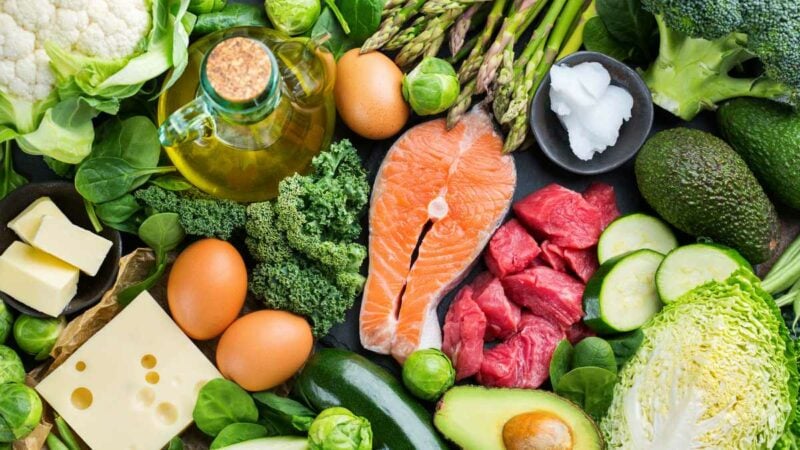
In addition to carbohydrate restrictions, the quality of fats consumed is also important. Not all fats are created equal; therefore, individuals on a ketogenic diet should focus on healthy fats such as avocados, nuts, seeds, and olive oil. Processed and trans fats should be avoided, as they can negatively impact health and potentially hinder weight loss efforts.
Lastly, protein intake should be moderated. While protein is essential for muscle maintenance and overall health, excessive protein can be converted into glucose through a process known as gluconeogenesis, which may impede ketosis. Thus, striking the right balance of macronutrients is crucial for success on the ketogenic diet.
Foods High in Carbohydrates: The Primary Banned Items
The primary foods to avoid on a ketogenic diet are those that are high in carbohydrates. This includes grains such as wheat, rice, oats, and corn, which are staples in many diets but can quickly derail ketosis. Even whole grains, often touted as healthy, contain significant amounts of carbohydrates that can spike insulin levels.
Sugary foods are another major category of banned items. This includes not only obvious sweets like candy, cookies, and cakes but also less obvious sources of sugar, such as sweetened beverages, sauces, and condiments. Even natural sugars found in honey and maple syrup should be avoided, as they can contribute to carbohydrate intake.
Certain fruits are also restricted due to their high sugar content. While fruits are generally considered healthy, many are too high in carbohydrates to fit into a ketogenic diet. For example, bananas, grapes, and apples should be avoided, while berries can be consumed in moderation due to their lower carbohydrate content.
Lastly, starchy vegetables like potatoes, sweet potatoes, and corn are also off-limits. While vegetables are an essential part of a healthy diet, those high in starch can significantly impact carbohydrate intake and should be replaced with low-carb options like leafy greens, broccoli, and cauliflower.
Hidden Sugars: Identifying Common Keto Pitfalls
One of the significant challenges of adhering to a ketogenic diet is the presence of hidden sugars in many processed foods. Many individuals may be surprised to discover that seemingly healthy products, such as salad dressings, sauces, and even certain dairy products, can contain added sugars. Reading labels carefully is essential to avoid inadvertently consuming carbohydrates.
Additionally, many packaged foods are marketed as "low-fat" or "healthy," but they often compensate for the lack of fat with added sugars. This can lead to a false sense of security, as individuals may believe they are making healthy choices while still consuming high levels of carbohydrates. It is crucial to focus on whole, unprocessed foods whenever possible.
Another common pitfall is the consumption of sugar substitutes. While some sugar alternatives may be low in carbohydrates, others can still impact blood sugar levels and insulin response. For example, maltodextrin and agave nectar are often marketed as healthier options but can contain significant amounts of carbohydrates. Understanding the carbohydrate content of these substitutes is vital for maintaining ketosis.
Finally, individuals should be cautious with alcohol consumption. Many alcoholic beverages, especially sweet wines and cocktails, can contain high levels of sugar. Opting for spirits mixed with low-carb mixers or dry wines can help mitigate this issue, but moderation is still key.
Alternative Options: Keto-Friendly Substitutes to Consider
Fortunately, there are numerous keto-friendly alternatives to help individuals navigate the restrictions of the ketogenic diet. For those craving pasta, options such as zucchini noodles, spaghetti squash, or shirataki noodles can provide a satisfying substitute without the carbohydrates. These alternatives allow for the enjoyment of traditional pasta dishes while adhering to dietary guidelines.
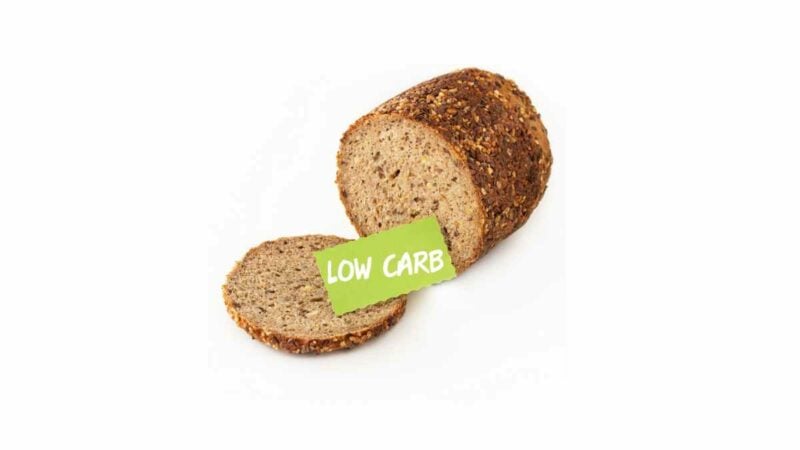
When it comes to bread, there are various low-carb recipes available that utilize almond flour, coconut flour, or flaxseed meal as substitutes. These ingredients can be used to create bread-like products that are suitable for a ketogenic lifestyle. Additionally, many grocery stores now offer keto-friendly bread options, making it easier for individuals to find alternatives.
For those with a sweet tooth, there are several sugar substitutes that can be used in baking and cooking. Erythritol, stevia, and monk fruit are popular options that provide sweetness without the carbohydrates found in traditional sugar. These alternatives can help satisfy cravings while keeping carbohydrate intake in check.
Lastly, when it comes to snacks, individuals can turn to nuts, seeds, and cheese as excellent keto-friendly options. These foods are not only low in carbohydrates but also provide healthy fats and protein, making them ideal for maintaining energy levels throughout the day.
The Impact of Banned Foods on Ketogenic Success Rates
The success of the ketogenic diet largely hinges on the ability to avoid banned foods. Consuming high-carbohydrate items can quickly kick the body out of ketosis, leading to a return to glucose metabolism. This not only hinders weight loss efforts but can also result in feelings of fatigue and brain fog, commonly referred to as the "keto flu."
Moreover, the psychological impact of consuming banned foods can be significant. Many individuals may experience guilt or frustration after indulging in high-carb items, which can lead to a cycle of binge eating and subsequent restriction. This emotional rollercoaster can make it challenging to maintain long-term adherence to the diet.
On the other hand, successfully avoiding banned foods can lead to positive reinforcement. As individuals begin to see results in terms of weight loss and improved energy levels, they may feel more motivated to stick to the dietary guidelines. This can create a positive feedback loop that enhances overall dietary adherence and success.
Ultimately, understanding the impact of banned foods on the ketogenic diet is essential for anyone looking to achieve their health and wellness goals. By recognizing the importance of food choices and their role in maintaining ketosis, individuals can better navigate the challenges of this dietary approach.
Conclusions:
Navigating the ketogenic diet requires a thorough understanding of which foods are banned and why. By avoiding high-carbohydrate items, hidden sugars, and processed foods, individuals can increase their chances of successfully entering and maintaining ketosis. Embracing alternative options and being mindful of food choices can help mitigate the challenges associated with this dietary approach. Ultimately, the key to success lies in education, preparation, and a commitment to a healthier lifestyle.
Read more:
- Keto Diet Basics – A comprehensive guide to understanding the ketogenic diet, its principles, and how to get started.
- The Science of Ketosis – A detailed scientific overview of ketosis and its effects on metabolism.
- Common Keto Mistakes – Insights into common pitfalls people face on the ketogenic diet and how to avoid them.
- Keto-Friendly Recipes – A collection of delicious keto-friendly recipes to help individuals stay on track.
- Understanding Hidden Sugars – An informative article on identifying hidden sugars in everyday foods.