

Introduction:
The ketogenic diet has gained significant popularity over the past few years, primarily due to its potential benefits for weight loss and metabolic health. This low-carbohydrate, high-fat diet aims to shift the body’s metabolism from burning glucose to burning fats, leading to a state known as ketosis. Understanding the types of foods included in a keto diet is essential for anyone looking to adopt this eating plan. This article will explore the macronutrient composition of the ketogenic diet, the key components, and the foods to embrace and avoid.
Understanding the Ketogenic Diet: An Overview of Macronutrients
The ketogenic diet is fundamentally built on a specific macronutrient ratio that typically consists of high fats, moderate proteins, and very low carbohydrates. The standard macronutrient distribution for a keto diet is approximately 70-75% fats, 20-25% proteins, and only about 5-10% carbohydrates. This unique ratio is crucial for achieving and maintaining ketosis, where the body becomes efficient at burning fat for energy.
The reduction of carbohydrate intake is essential because it lowers insulin levels and encourages the body to utilize fat as its primary fuel source. When carbohydrates are drastically reduced, the liver converts fatty acids into ketones, which serve as an alternative energy source for the brain and body. This metabolic shift is what distinguishes the ketogenic diet from other dietary approaches.
In addition to weight loss, the ketogenic diet has been associated with various health benefits, including improved blood sugar control, enhanced mental clarity, and reduced inflammation. However, the success of the diet largely depends on understanding and adhering to the macronutrient ratios, which can vary based on individual goals and health conditions.
To effectively follow a ketogenic diet, it is crucial to monitor not just the quantity of macronutrients consumed but also the quality of the food sources. This means prioritizing whole, nutrient-dense foods while avoiding processed options that can lead to unwanted carbohydrate intake.
Key Components of a Keto Diet: Fats, Proteins, and Carbs
At the heart of the ketogenic diet are the three macronutrients: fats, proteins, and carbohydrates. Each plays a distinct role in the diet’s effectiveness. Fats are the cornerstone of the keto diet, providing the majority of daily caloric intake. They are essential for hormone production, nutrient absorption, and overall cellular function.
Proteins, while important, should be consumed in moderation to prevent gluconeogenesis, a process where excess protein is converted into glucose, potentially disrupting ketosis. Choosing high-quality protein sources is vital, as they contribute to muscle maintenance and satiety.
Carbohydrates are the macronutrient to minimize, as they can quickly elevate blood sugar levels and inhibit the body’s ability to enter ketosis. However, not all carbohydrates are created equal. The focus should be on limiting refined sugars and starches while incorporating low-carb vegetables that provide essential nutrients without significantly impacting carbohydrate intake.
Understanding the balance and interaction of these macronutrients is crucial for anyone considering the ketogenic diet. It is not merely about cutting carbs; it is about creating a sustainable eating pattern that supports metabolic health and personal wellness goals.
Essential Fats: Sources and Benefits in a Keto Diet
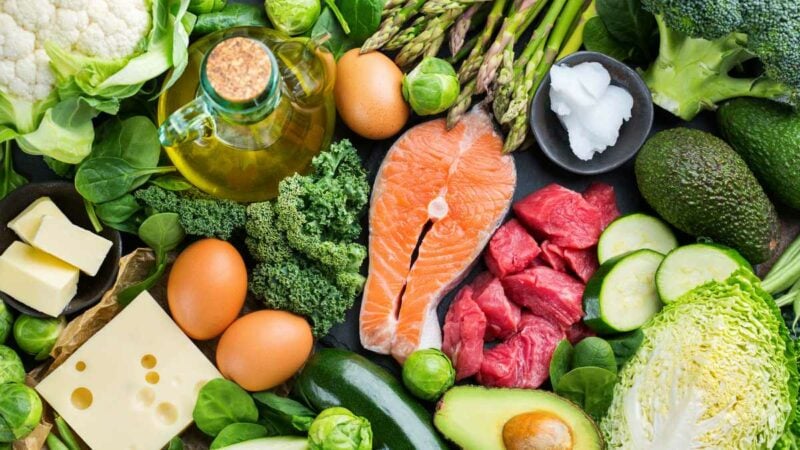
Fats are the primary energy source in a ketogenic diet, and choosing the right types of fats is essential for maximizing health benefits. Healthy fats include monounsaturated and polyunsaturated fats, which can be found in foods such as avocados, olive oil, nuts, and seeds. These fats are not only calorie-dense but also provide essential fatty acids that the body cannot produce on its own.
Saturated fats also play a role in the keto diet, with sources like coconut oil, butter, and fatty cuts of meat being popular choices. While saturated fats have been historically viewed with caution, recent research suggests that they can be part of a healthy diet when consumed in moderation. They can help increase the levels of HDL (good cholesterol) and provide a stable energy source.
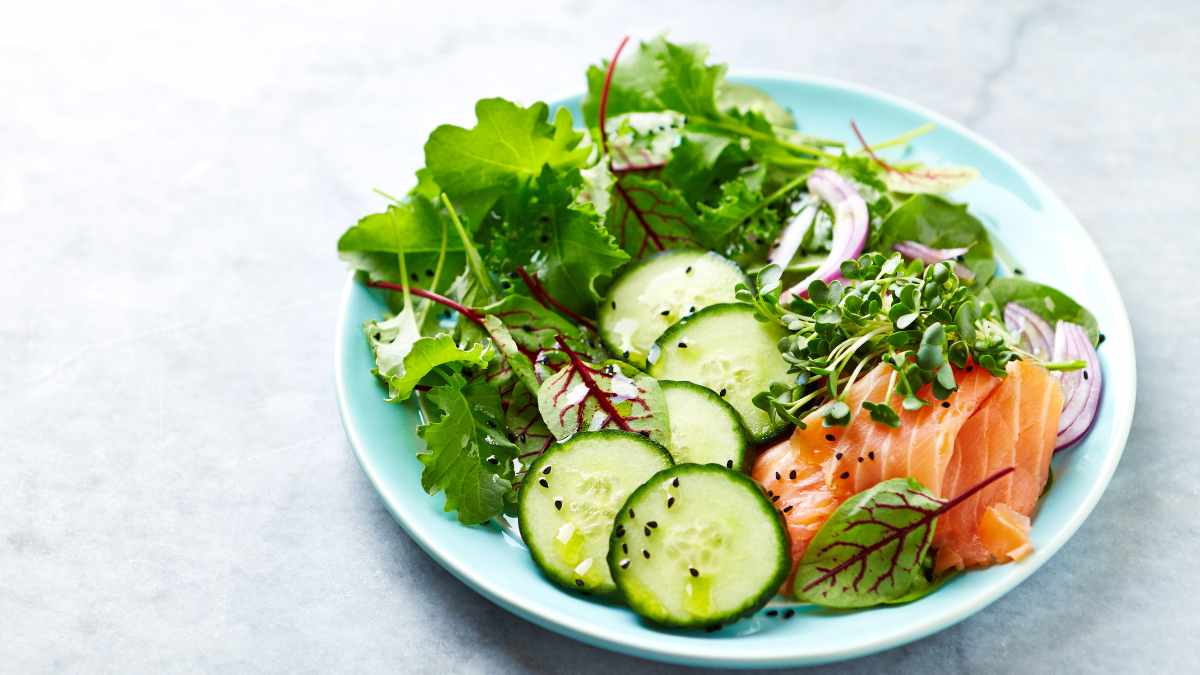
In addition to these fats, omega-3 fatty acids are crucial for reducing inflammation and supporting heart health. Fatty fish such as salmon, mackerel, and sardines are excellent sources of omega-3s and should be included in a well-rounded keto diet.
Incorporating a variety of healthy fats not only enhances the flavor of meals but also ensures a diverse intake of nutrients. This variety can help prevent nutrient deficiencies and promote overall health while following a ketogenic lifestyle.
Protein Sources: Choosing the Right Options for Keto
When it comes to protein on a ketogenic diet, the key is to choose high-quality sources while being mindful of the total intake. Animal-based proteins such as meat, poultry, and fish are excellent choices, as they provide complete proteins that contain all essential amino acids. Grass-fed and pasture-raised options are preferred due to their higher nutrient content and healthier fat profiles.
Eggs are another staple in a keto diet, offering a versatile and nutrient-dense source of protein. They are rich in vitamins and minerals, and their high-fat content makes them particularly suitable for maintaining ketosis. Eggs can be prepared in various ways, making them a convenient option for any meal.
For those who prefer plant-based options, tofu, tempeh, and seitan can serve as protein sources, although they should be consumed in moderation due to their carbohydrate content. It is crucial to read labels and choose products that are low in carbs to stay within the dietary guidelines.
Incorporating protein-rich foods into meals can aid in satiety and help preserve lean muscle mass, especially during weight loss. However, it is important to balance protein intake with fat consumption to maintain the desired macronutrient ratios essential for ketosis.
Low-Carb Vegetables: Nutrient-Dense Choices for Keto
While the ketogenic diet is low in carbohydrates, it does not mean that vegetables should be eliminated. In fact, non-starchy vegetables are encouraged due to their high nutrient density and low carbohydrate content. Leafy greens, such as spinach, kale, and arugula, are excellent choices, providing vitamins, minerals, and fiber without significantly impacting carbohydrate intake.
Cruciferous vegetables like broccoli, cauliflower, and Brussels sprouts are also highly recommended. They are rich in antioxidants and can be prepared in various ways, making them versatile additions to any meal. These vegetables can be roasted, steamed, or incorporated into salads, offering both flavor and nutrition.
Zucchini, bell peppers, and asparagus are additional low-carb options that can enhance the variety of a keto diet. These vegetables can be used in stir-fries, salads, or even as substitutes for higher-carb foods, such as pasta or rice.
Incorporating a wide range of low-carb vegetables not only helps meet daily nutrient needs but also adds texture and flavor to meals. It is essential to focus on whole, unprocessed vegetables to maximize health benefits while adhering to the ketogenic guidelines.
Foods to Avoid: Carbohydrate-Rich Items on a Keto Diet
To successfully follow a ketogenic diet, it is crucial to avoid foods high in carbohydrates. Sugary foods and beverages are the most obvious culprits, including candies, pastries, soda, and even fruit juices. These items can cause rapid spikes in blood sugar and insulin levels, making it challenging to maintain ketosis.
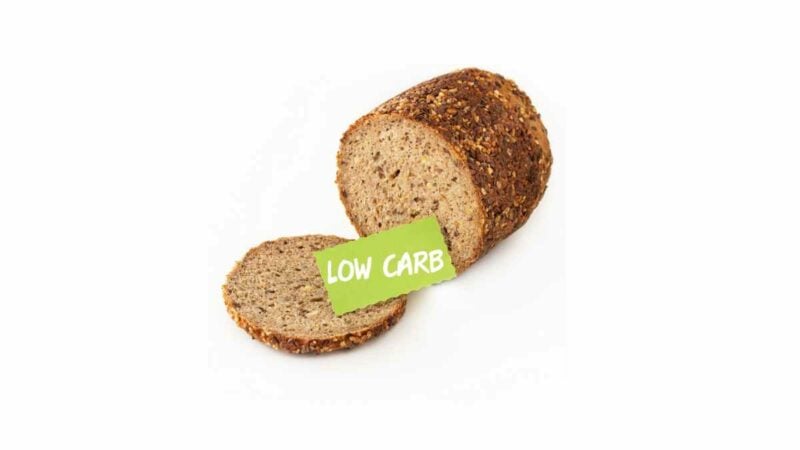
Starchy vegetables and grains are also to be avoided. Foods like potatoes, corn, rice, and bread can significantly increase carbohydrate intake and should be replaced with low-carb alternatives. Even whole grains, often considered healthy, can hinder progress on a keto diet due to their carbohydrate content.
Processed foods should be approached with caution as well. Many packaged snacks and meals contain hidden sugars and high-carb ingredients that can derail a ketogenic eating plan. Reading labels and being mindful of ingredient lists is essential for anyone trying to adhere to a keto diet.
Lastly, certain fruits should be limited due to their natural sugar content. While berries can be enjoyed in moderation, fruits like bananas, grapes, and apples are typically too high in carbohydrates to fit into a strict ketogenic diet. Focusing on low-carb options ensures that you can enjoy a variety of flavors while staying within your dietary goals.
Conclusions:
The ketogenic diet offers a unique approach to nutrition that emphasizes high fat and low carbohydrate intake. Understanding the types of foods that fit within this framework is essential for achieving and maintaining ketosis. By focusing on healthy fats, quality proteins, and low-carb vegetables while avoiding high-carbohydrate items, individuals can create a balanced and sustainable eating plan that supports their health and wellness goals.
Read more:
- Keto Diet Basics – Healthline – A comprehensive guide to the ketogenic diet, including its benefits and potential drawbacks.
- The Science Behind Keto – Mayo Clinic – An in-depth look at the science behind the ketogenic diet and its effects on health.
- Keto-Friendly Foods – Verywell Fit – A detailed list of foods that are suitable for a ketogenic diet.
- Keto Diet Meal Plan – Diet Doctor – Sample meal plans and recipes for those following a keto diet.
- Understanding Macronutrients – Precision Nutrition – An overview of macronutrients and their role in a balanced diet, including the ketogenic approach.