

Introduction:
In the realm of nutrition, carbohydrates often take center stage due to their significant role in energy production and overall health. However, the growing popularity of low-carb and no-carb diets has sparked interest in foods that contain little to no carbohydrates. This article aims to explore the concept of carbohydrates, their role in human nutrition, and identify foods that are devoid of carbs. Furthermore, we will analyze the nutritional profiles of these foods, discuss the health implications of adopting a no-carb diet, and provide practical tips for incorporating no-carb foods into daily meals.
Understanding Carbohydrates: Definition and Types
Carbohydrates are one of the three macronutrients essential for human survival, alongside proteins and fats. They are organic compounds made up of carbon, hydrogen, and oxygen, and they serve as a primary source of energy for the body. Carbohydrates can be classified into three main types: simple carbohydrates, complex carbohydrates, and fiber. Simple carbohydrates, found in sugars and sweeteners, are quickly absorbed by the body, leading to rapid spikes in blood sugar levels. Complex carbohydrates, such as those found in whole grains and legumes, are digested more slowly, providing a more sustained energy release.
Fiber, while technically a carbohydrate, is unique in that it is not digested by the body. Instead, it passes through the digestive system, aiding in digestion and promoting gut health. Understanding these different types of carbohydrates is crucial for making informed dietary choices. The glycemic index (GI) is often used to categorize carbohydrates based on their impact on blood sugar levels, with high-GI foods causing rapid increases and low-GI foods providing a more gradual release of energy.
The body requires carbohydrates for various functions, including the functioning of the brain, muscles, and other vital organs. When carbohydrates are consumed, they are broken down into glucose, which is then used for energy or stored in the liver and muscles as glycogen for later use. This process underscores the importance of carbohydrates in maintaining overall health and well-being.
Despite the essential role of carbohydrates, certain dietary approaches advocate for the reduction or elimination of carbs. This has led to the exploration of foods that contain minimal to no carbohydrates, prompting a deeper investigation into their nutritional value and health implications.
The Role of Carbohydrates in Human Nutrition
Carbohydrates play a pivotal role in human nutrition, serving as the body’s primary energy source. They are particularly important for athletes and individuals engaged in high-intensity physical activities, as they provide the necessary fuel for optimal performance. Additionally, carbohydrates are vital for brain function, as glucose is the preferred energy source for the brain. A diet rich in carbohydrates can enhance cognitive function, mood, and overall mental well-being.
However, not all carbohydrates are created equal. The quality of carbohydrate sources significantly impacts health outcomes. Whole grains, fruits, and vegetables are rich in essential nutrients, including vitamins, minerals, and antioxidants, while also providing dietary fiber. In contrast, refined carbohydrates, such as white bread and sugary snacks, can lead to weight gain, insulin resistance, and other metabolic issues when consumed in excess.
The recommended daily intake of carbohydrates varies based on individual needs, activity levels, and health goals. Generally, dietary guidelines suggest that carbohydrates should make up about 45-65% of total daily caloric intake. However, some individuals may choose to adopt low-carb or no-carb diets for various reasons, including weight loss, improved metabolic health, or management of specific medical conditions.
Understanding the role of carbohydrates in nutrition is essential for anyone considering dietary changes. While reducing carbohydrate intake may offer benefits for some, it is crucial to ensure that the diet remains balanced and provides all necessary nutrients for overall health.
Identifying Foods with Zero Carbohydrate Content
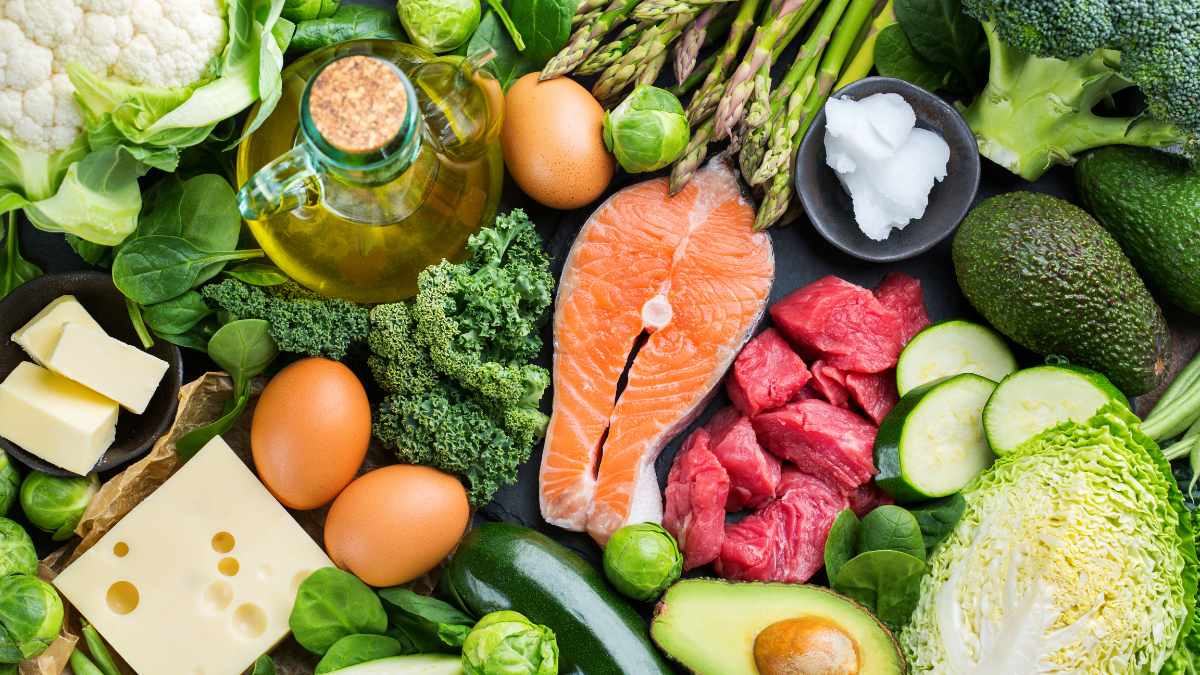
Foods that contain zero carbohydrates are primarily derived from animal sources, as they typically lack the sugars and starches found in plant-based foods. Meats such as beef, pork, chicken, and turkey are excellent examples of no-carb foods. These protein-rich options provide essential amino acids without contributing any carbohydrates to the diet. Additionally, fish and seafood, including salmon, tuna, and shrimp, are also devoid of carbohydrates while offering healthy fats and high-quality protein.
Eggs are another versatile food that contains no carbohydrates. They are nutrient-dense, providing essential vitamins and minerals, including vitamin B12, selenium, and choline. Eggs can be prepared in various ways, making them a popular choice for breakfast or as a snack.
Dairy products such as cheese and butter also fall into the no-carb category, although it is essential to choose full-fat options without added sugars. Cheese, in particular, is rich in calcium and protein, making it a valuable addition to a no-carb diet. However, individuals should be cautious with certain dairy products, as some may contain lactose, a sugar that contributes to carbohydrate content.
Lastly, fats and oils, such as olive oil, coconut oil, and avocado oil, are also considered no-carb foods. These healthy fats provide energy and can enhance the flavor of meals without adding carbohydrates. Incorporating these foods into a diet can help individuals achieve their nutritional goals while adhering to a no-carb approach.
Analyzing the Nutritional Profiles of No-Carb Foods
When examining the nutritional profiles of no-carb foods, it is crucial to consider not only their carbohydrate content but also their overall nutrient density. Meat and fish are rich in protein, which is essential for muscle repair, immune function, and hormone production. Additionally, they provide vital nutrients such as iron, zinc, and omega-3 fatty acids, which contribute to heart health and cognitive function.
Eggs stand out as a nutritional powerhouse, containing high-quality protein, healthy fats, and a range of vitamins and minerals. The yolk is particularly rich in nutrients, including vitamin D and choline, which are important for brain health and development. The combination of protein and fat in eggs can also promote satiety, helping individuals feel full and satisfied.
Cheese is another no-carb food that offers a unique nutritional profile. It is an excellent source of calcium, which is essential for bone health, and provides protein and healthy fats. However, due to its high calorie density, moderation is key to prevent excessive calorie intake.
Finally, healthy fats such as those found in oils and avocados provide essential fatty acids that support heart health and hormone production. These fats can also enhance the absorption of fat-soluble vitamins, such as vitamins A, D, E, and K, further contributing to overall health. Understanding the nutritional profiles of no-carb foods allows individuals to make informed choices that align with their dietary preferences and health goals.
Health Implications of a No-Carb Diet: A Critical Review
Adopting a no-carb diet can lead to various health implications, both positive and negative. On the positive side, many individuals report weight loss and improved metabolic health when reducing carbohydrate intake. This is often attributed to decreased insulin levels, which can promote fat burning and reduce hunger. Additionally, some studies suggest that low-carb diets may improve markers of heart health, including triglycerides and HDL cholesterol levels.
However, there are potential drawbacks to consider. A no-carb diet may lead to nutrient deficiencies if not carefully planned, as many carbohydrate-rich foods are also sources of essential vitamins, minerals, and fiber. For instance, fruits, vegetables, and whole grains provide important nutrients that support overall health and well-being. Eliminating these foods can result in inadequate intake of fiber, which is crucial for digestive health and may increase the risk of constipation.
Furthermore, some individuals may experience adverse effects when transitioning to a no-carb diet, commonly referred to as the "keto flu." Symptoms can include fatigue, headaches, irritability, and difficulty concentrating as the body adapts to using fat as its primary energy source instead of carbohydrates. It is essential for individuals considering a no-carb diet to be aware of these potential challenges and to monitor their health closely.
Lastly, the long-term sustainability of a no-carb diet is a critical consideration. While some individuals may thrive on a low-carb approach, others may find it difficult to maintain over time. A balanced diet that includes a variety of food groups is often more sustainable and can provide a broader range of nutrients essential for long-term health.
Practical Tips for Incorporating No-Carb Foods into Meals
Incorporating no-carb foods into meals can be both enjoyable and satisfying with a little creativity. One effective strategy is to focus on protein-rich foods as the foundation of meals. For example, grilled chicken or fish can serve as the main dish, complemented by a side of sautéed vegetables cooked in healthy fats. This approach ensures that meals are not only low in carbohydrates but also rich in flavor and nutrients.
Another practical tip is to experiment with no-carb snacks. Hard-boiled eggs, cheese slices, and beef jerky are convenient options that can be easily prepared and taken on the go. Additionally, incorporating healthy fats such as guacamole or nut butter can enhance satiety and provide a satisfying snack without the carbohydrates.
When preparing meals, consider using low-carb alternatives to traditional high-carb ingredients. For instance, zucchini noodles or cauliflower rice can be excellent substitutes for pasta and rice, respectively. These alternatives not only reduce carbohydrate content but also add a variety of textures and flavors to dishes.
Lastly, meal planning and preparation can be invaluable for maintaining a no-carb diet. By planning meals in advance and preparing snacks ahead of time, individuals can reduce the temptation to reach for high-carb options when hunger strikes. Keeping a well-stocked pantry with no-carb staples can also make it easier to stick to dietary goals.
Conclusions:
In summary, understanding the role of carbohydrates in nutrition is essential for making informed dietary choices. While no-carb foods can provide an alternative approach for those seeking to reduce carbohydrate intake, it is crucial to consider the overall nutritional balance of the diet. Incorporating a variety of no-carb foods can offer health benefits, but careful planning is necessary to avoid potential deficiencies. Ultimately, the best dietary approach is one that is sustainable, enjoyable, and tailored to individual health needs.
Read more
- Harvard T.H. Chan School of Public Health – The Nutrition Source: Carbohydrates – A comprehensive overview of carbohydrates, their types, and their role in nutrition.
- Mayo Clinic – Low-Carbohydrate Diet: What You Need to Know – An article discussing the benefits and risks associated with low-carb diets.
- Cleveland Clinic – The Truth About Low-Carb Diets – Insights into the health implications of low-carb diets and tips for success.
- National Institutes of Health – Dietary Carbohydrates: A Review – A detailed review of the health effects of dietary carbohydrates.
- WebMD – No-Carb Diets: Pros and Cons – An overview of the pros and cons of adopting a no-carb diet.