

Introduction:
The ketogenic diet has gained immense popularity for its potential to promote weight loss and improve metabolic health. By drastically reducing carbohydrate intake and replacing it with fat, the body enters a state of ketosis, where it becomes efficient at burning fat for energy. However, adhering to this diet requires a keen understanding of which foods to avoid. This article will explore the foods that are not allowed on a ketogenic diet, helping you navigate your dietary choices more effectively.
Understanding the Ketogenic Diet: A Brief Overview
The ketogenic diet is primarily characterized by its low carbohydrate, moderate protein, and high-fat composition. Typically, the macronutrient ratio is around 70-75% fat, 20-25% protein, and only 5-10% carbohydrates. This significant reduction in carbohydrate intake forces the body to utilize fat as its primary energy source, leading to the production of ketones. These ketones serve as an alternative fuel for the brain and other organs, which can lead to various health benefits, including improved mental clarity and sustained energy levels.
The transition into ketosis can be challenging for many individuals, often referred to as the "keto flu," which may involve symptoms such as fatigue, irritability, and headaches. However, once the body adapts, many report enhanced physical performance and weight loss. It’s essential to approach the ketogenic diet with a comprehensive understanding of the types of foods that can either support or hinder this metabolic state.
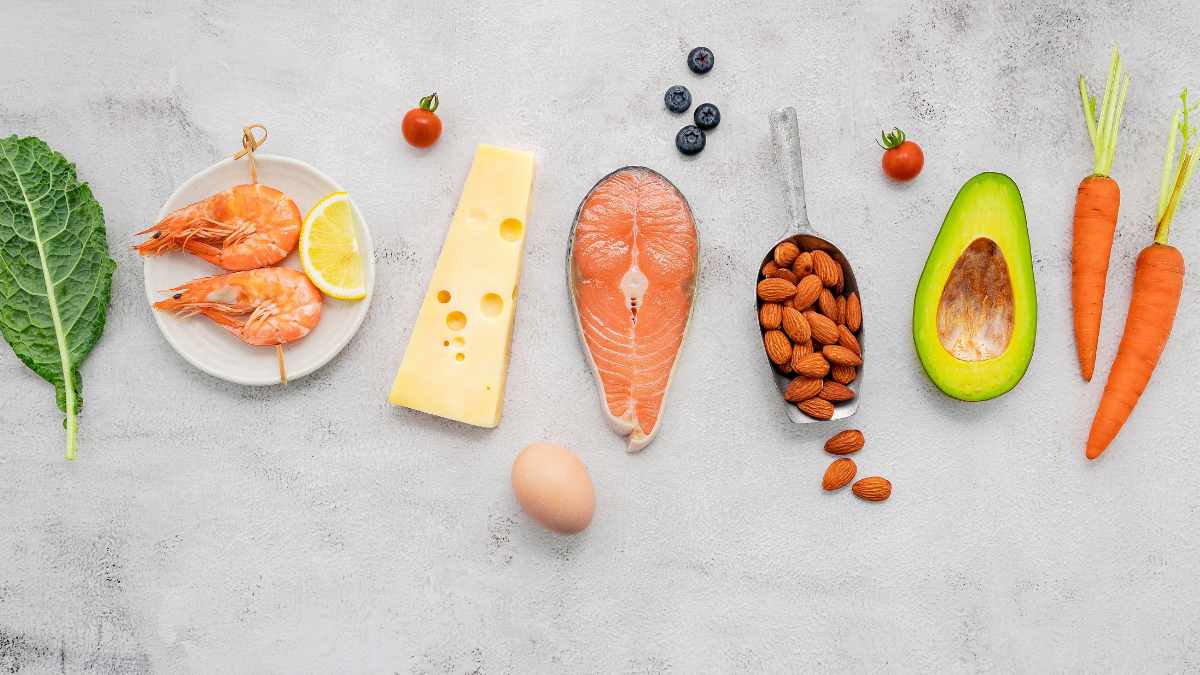
A successful ketogenic lifestyle requires not only the elimination of high-carb foods but also an emphasis on nutrient-dense options that provide essential vitamins and minerals. This means that while the focus is on fats, it is crucial to choose healthy sources of fat, such as avocados, nuts, and olive oil, while avoiding unhealthy trans fats and processed oils.
Overall, the ketogenic diet is not just a temporary eating plan but a lifestyle choice that necessitates careful consideration of food choices to maintain the desired state of ketosis and achieve long-term health benefits.
The Role of Carbohydrates in the Keto Framework
Carbohydrates are the primary source of energy for the body, but in a ketogenic framework, their intake is significantly restricted. When carbohydrates are consumed, they are broken down into glucose, which is then used for energy. However, in a state of ketosis, the body shifts away from glucose as its primary fuel source. This metabolic shift is what makes the ketogenic diet effective for many individuals seeking weight loss and improved health.
The restriction of carbohydrates is crucial for achieving and maintaining ketosis. When carbohydrate intake is kept below a certain threshold—typically around 20 to 50 grams per day—the body begins to deplete its glycogen stores and starts producing ketones from fat. This process not only aids in fat loss but also stabilizes blood sugar levels, reducing cravings and hunger pangs that often accompany high-carb diets.
Moreover, the type of carbohydrates consumed plays a significant role in the effectiveness of the ketogenic diet. Simple carbohydrates, such as those found in sugary foods and refined grains, can quickly spike blood sugar levels and disrupt the delicate balance required for ketosis. In contrast, complex carbohydrates, while still limited, can be found in non-starchy vegetables, which provide essential nutrients without compromising ketosis.
Understanding the role of carbohydrates is fundamental in navigating the ketogenic diet. By recognizing how different types of carbs affect the body, individuals can make informed choices that align with their health goals while successfully maintaining a state of ketosis.
High-Carb Foods: Identifying Major Offenders
When embarking on a ketogenic diet, it is imperative to identify and eliminate high-carb foods that can derail progress. Foods that are typically high in carbohydrates include bread, pasta, rice, and many baked goods. These items are often staples in a standard diet but are incompatible with the low-carb requirements of the ketogenic lifestyle. Even whole grain options, which are often perceived as healthier, can still contain too many carbs to fit within the ketogenic framework.
Fruits, while nutritious, also contain natural sugars that can contribute to carbohydrate intake. Most fruits, particularly those that are sweet, like bananas, grapes, and apples, should be avoided or limited. Instead, berries such as strawberries and raspberries can be consumed in moderation due to their lower carbohydrate content.
Starchy vegetables, such as potatoes, corn, and peas, are another category of foods that should be avoided on a ketogenic diet. These vegetables are high in carbohydrates and can quickly push individuals over their daily carb limit. Instead, non-starchy vegetables like spinach, kale, and broccoli should be prioritized, as they are low in carbs and high in fiber and nutrients.
Processed foods often contain hidden sugars and refined carbohydrates, making them major offenders in a ketogenic diet. Items such as snack bars, sauces, and dressings can contain surprising amounts of carbohydrates, so it’s essential to read labels carefully and choose whole, unprocessed foods whenever possible.
Sugary Snacks and Beverages: A Keto No-Go List
Sugary snacks and beverages are among the most detrimental foods for those following a ketogenic diet. Items like candies, cookies, and cakes are not only high in sugar but also often contain refined flour, which adds to their carbohydrate content. These snacks can lead to rapid spikes in blood sugar, making it difficult to maintain ketosis and often resulting in subsequent crashes that trigger cravings for more sugar.
Beverages like soda, energy drinks, and sweetened teas are also significant sources of hidden sugars. Even seemingly healthy options, such as fruit juices, can contain excessive amounts of carbohydrates and should be avoided. Instead, opting for water, herbal teas, or black coffee can help maintain hydration without adding unnecessary carbs.
Dairy products can also be a source of hidden sugars, especially flavored yogurts and ice creams. While full-fat plain yogurt can be consumed in moderation, many commercial brands add sugars and sweeteners that can quickly accumulate in carbohydrate counts. Choosing unsweetened versions or alternatives like coconut yogurt can help keep carb intake in check.
In conclusion, sugary snacks and beverages are significant pitfalls for those on a ketogenic diet. To ensure success, individuals must be vigilant about avoiding these high-carb options and instead focus on satisfying snacks that align with their dietary goals, such as nuts, seeds, and low-carb vegetables.
Grains and Legumes: Why They Don’t Fit the Keto Model
Grains and legumes are staples in many diets, but they are not compatible with the ketogenic lifestyle. Foods like bread, rice, pasta, and cereals are typically high in carbohydrates and can quickly exceed the daily carb limit set for those in ketosis. Even whole grains, which are often marketed as healthy, can contain significant amounts of carbohydrates that can hinder weight loss efforts and disrupt metabolic balance.
Legumes, including beans, lentils, and chickpeas, are also high in carbohydrates and should be avoided on a ketogenic diet. While they are excellent sources of protein and fiber, their carbohydrate content can be problematic for those trying to maintain a state of ketosis. For example, a single cup of cooked lentils can contain over 30 grams of carbohydrates, which is nearly the entire daily limit for many individuals on a ketogenic diet.
Instead of grains and legumes, those following a ketogenic diet should focus on alternative sources of nutrients. Low-carb vegetables, nuts, seeds, and healthy fats can provide the necessary vitamins and minerals without compromising carbohydrate limits. Additionally, there are various grain-free alternatives available, such as cauliflower rice and zucchini noodles, which can serve as substitutes in traditional recipes.
Understanding the carbohydrate content of grains and legumes is crucial for anyone looking to succeed on a ketogenic diet. By eliminating these foods and opting for lower-carb alternatives, individuals can better support their health goals and maintain a state of ketosis.
Hidden Carbs: Foods That May Sabotage Your Keto Goals
Hidden carbohydrates can be a significant challenge for those on a ketogenic diet. Many foods that seem healthy or low in carbs may still contain hidden sugars or starches that can disrupt ketosis. For example, condiments such as ketchup, barbecue sauce, and salad dressings can often contain added sugars that contribute to overall carbohydrate intake. It’s essential to read labels carefully and choose options that are specifically labeled as low-carb or sugar-free.
Certain processed foods marketed as "healthy" can also be misleading. Snack bars, protein bars, and low-fat products often contain hidden sugars and refined carbohydrates. While they may be convenient, these items can easily push individuals over their carb limits and hinder progress. Instead, focusing on whole, unprocessed foods is the best way to avoid hidden carbs and ensure adherence to the ketogenic diet.
Additionally, some seemingly harmless foods like nuts and seeds can contain higher levels of carbohydrates than anticipated. While they are generally considered keto-friendly, portion control is essential, as consuming large quantities can lead to exceeding daily carb limits. Choosing lower-carb options, such as macadamia nuts or pecans, can help individuals stay on track.
Finally, beverages can also harbor hidden carbs. Many flavored waters, smoothies, and alcoholic drinks can contain added sugars that can quickly add up. Sticking to water, black coffee, or unsweetened tea can help individuals avoid unnecessary carbohydrates and maintain their ketogenic goals.
Conclusions:
Navigating the ketogenic diet requires awareness and careful selection of food choices. Understanding which foods to avoid, including high-carb items, sugary snacks, grains, legumes, and hidden carbs, is crucial for maintaining ketosis and achieving health goals. By focusing on nutrient-dense, low-carb options, individuals can successfully adhere to the ketogenic lifestyle and reap its numerous benefits.
Read more:
- Keto Diet Basics – A comprehensive overview of the ketogenic diet, including its principles and benefits.
- The Science of Ketosis – An in-depth scientific analysis of ketosis and its effects on the body.
- Common Mistakes on Keto – A guide to avoiding common pitfalls when starting a ketogenic diet.
- Keto-Friendly Foods – A detailed list of foods that are suitable for a ketogenic diet.
- Understanding Hidden Carbs – An article explaining hidden carbohydrates and how to avoid them on a ketogenic diet.