

Se hai un abbonamento attivo ACCEDI QUI
Introduction:
The ketogenic diet, commonly known as the keto diet, has gained immense popularity as a low-carbohydrate, high-fat dietary approach. It aims to shift the body’s metabolism from burning glucose as its primary fuel source to utilizing fats, a state known as ketosis. This transformation can lead to various health benefits, including weight loss, improved blood sugar control, and enhanced mental clarity. However, to achieve these benefits, understanding which foods are permissible is crucial. This article will explore the essential components of a keto diet, focusing on the types of foods that can be included for optimal results.
Understanding the Ketogenic Diet: A Brief Overview
The ketogenic diet is characterized by a significant reduction in carbohydrate intake, typically to about 5-10% of total daily calories. This drastic cut forces the body to enter a metabolic state known as ketosis, where it becomes highly efficient at burning fat for energy. In this state, the liver converts fatty acids into ketones, which serve as an alternative energy source for the brain and body. The diet is not merely a fad; it has been used for decades in medical settings, particularly for managing epilepsy.
Keto is not just about eating fat; it requires a careful balance of macronutrients to ensure the body remains in ketosis. Successful adherence to the diet involves not only the right food choices but also an understanding of how these foods interact with one another. Many people find the transition to a ketogenic lifestyle challenging, as it often requires a significant departure from traditional eating patterns.
Moreover, the keto diet can vary in its strictness. While some individuals may follow a standard ketogenic diet (SKD), others may opt for variations such as targeted ketogenic diets (TKD) or cyclical ketogenic diets (CKD), which allow for higher carb intake at specific times. Understanding these variations can help individuals tailor the diet to their specific needs and goals.
Lastly, it’s essential to recognize that the ketogenic diet is not universally suitable for everyone. Consultation with healthcare professionals is recommended before making significant dietary changes, especially for individuals with pre-existing health conditions. This ensures that the diet is both safe and effective.
Macronutrient Breakdown: Fats, Proteins, and Carbs
The fundamental principle of the ketogenic diet revolves around its macronutrient composition. Typically, a standard ketogenic diet consists of approximately 70-75% fats, 20-25% protein, and only 5-10% carbohydrates. This unique ratio is designed to promote fat oxidation and minimize glucose availability, thereby facilitating the transition into ketosis.
Fats are the cornerstone of the keto diet. Healthy fats such as avocados, olive oil, coconut oil, and nuts provide the energy necessary for daily activities. These fats not only fuel the body but also support cellular health and hormone production. Incorporating a variety of fat sources can enhance the diet’s palatability and nutritional profile.
Proteins play a crucial role in maintaining muscle mass and supporting metabolic functions. However, it’s important to choose high-quality protein sources, as excessive protein can be converted to glucose through gluconeogenesis, potentially disrupting ketosis. Foods such as grass-fed meats, wild-caught fish, and free-range poultry are excellent choices that align with keto principles.
Carbohydrates must be minimized, but not all carbs are created equal. The focus should be on reducing high-glycemic index foods while incorporating low-carb vegetables and fiber-rich options. This balance ensures that the body receives essential nutrients without compromising its ketogenic state.
Essential Foods for a Successful Keto Meal Plan
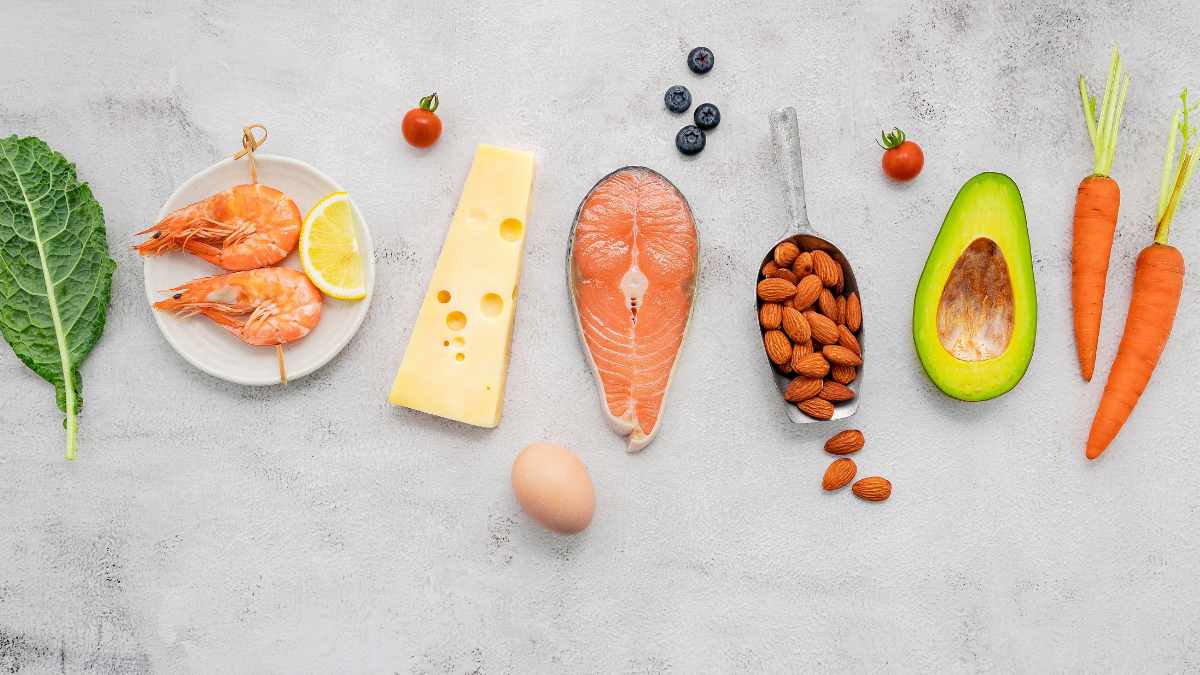
To thrive on a ketogenic diet, it is essential to curate a meal plan that includes a variety of nutrient-dense foods. Incorporating whole foods rather than processed options is vital for achieving long-term success. Whole foods are not only lower in carbohydrates but also richer in vitamins, minerals, and antioxidants, which are critical for overall health.
One of the most versatile food groups in a keto diet is healthy fats. Foods such as avocados, olive oil, and nuts can be easily integrated into meals and snacks. These fats provide satiety and flavor, making it easier to adhere to the diet. Additionally, incorporating seeds like chia and flax can offer omega-3 fatty acids and fiber.
Protein sources should be carefully selected to ensure they align with keto guidelines. Grass-fed meats, fatty fish, and eggs are excellent options that provide essential amino acids without excessive carbohydrates. Moreover, including dairy products like cheese and Greek yogurt can enhance the protein content of meals while adding flavor.
Finally, the inclusion of low-carb vegetables is essential for a well-rounded keto meal plan. Leafy greens, cruciferous vegetables, and other non-starchy options can provide necessary vitamins and minerals while keeping carbohydrate intake low. This ensures that individuals on the keto diet can enjoy a diverse range of flavors and textures in their meals.
Low-Carb Vegetables: Nutrient-Dense Options to Consider
When following a ketogenic diet, it is crucial to select vegetables that are low in carbohydrates yet high in nutrients. Non-starchy vegetables are the best choices, as they provide essential vitamins and minerals without significantly impacting carb intake. Leafy greens such as spinach, kale, and arugula are excellent options, offering a wealth of nutrients while being very low in carbohydrates.
Cruciferous vegetables, including broccoli, cauliflower, and Brussels sprouts, are also highly recommended. These vegetables are not only low in carbs but are also rich in fiber, which can aid in digestion and promote satiety. Incorporating these veggies into meals can add texture and flavor while keeping carbohydrate levels in check.
Other low-carb options include zucchini, bell peppers, and asparagus. These vegetables can be used in a variety of dishes, from stir-fries to salads, making them versatile additions to any keto meal plan. They provide essential nutrients such as vitamin C, potassium, and folate, contributing to overall health.
Finally, herbs and spices should not be overlooked. Fresh herbs like basil, cilantro, and parsley can enhance flavor without adding carbs. Spices like turmeric and cinnamon not only add depth to dishes but also offer potential health benefits, making them valuable additions to a ketogenic diet.
High-Quality Proteins: Choosing the Right Sources
Selecting the right protein sources is crucial for maintaining a successful ketogenic diet. High-quality proteins are essential for muscle maintenance, repair, and overall health. When choosing protein sources, it is important to focus on options that are both low in carbohydrates and rich in nutrients.
Grass-fed meats, such as beef and lamb, are excellent choices due to their higher omega-3 fatty acid content compared to grain-fed counterparts. These meats provide essential amino acids while supporting a healthy inflammatory response. Additionally, they are often richer in vitamins like B12 and minerals like iron, making them a nutritious choice.
Wild-caught fish, including salmon, sardines, and mackerel, are also ideal for a ketogenic diet. These fish are not only low in carbs but are also high in healthy fats, particularly omega-3 fatty acids, which are beneficial for heart health. Including fish in the diet can provide a variety of flavors and textures, making meals more enjoyable.
Poultry, such as chicken and turkey, can be included as well, but it is essential to choose cuts that are higher in fat, such as thighs and wings. These cuts provide a richer flavor and help maintain the necessary fat-to-protein ratio for ketosis. Eggs are another fantastic protein source, offering versatility and nutrient density while being low in carbohydrates.
Healthy Fats: Incorporating Oils and Dairy into Keto
Healthy fats are the cornerstone of the ketogenic diet, providing the necessary energy and supporting various bodily functions. Incorporating a variety of healthy fats can enhance the flavor and satisfaction of meals. Common sources of healthy fats include oils, nuts, seeds, and dairy products.
Oils such as olive oil, coconut oil, and avocado oil are excellent choices for cooking and dressing salads. These oils are rich in monounsaturated and saturated fats, which are beneficial for heart health and can help maintain satiety. Using these oils in cooking can elevate the flavor of dishes while ensuring adherence to keto guidelines.
Nuts and seeds are also great sources of healthy fats. Almonds, walnuts, chia seeds, and flaxseeds can be easily incorporated into snacks, smoothies, and salads. They provide not only healthy fats but also protein and fiber, making them a nutrient-dense option for those on a ketogenic diet.
Dairy products can play a significant role in a keto meal plan. Full-fat options such as cheese, heavy cream, and Greek yogurt are ideal for adding flavor and richness to dishes. These dairy products are low in carbohydrates and high in fat, making them perfect for maintaining ketosis while providing essential nutrients.
Lastly, it’s important to be mindful of portion sizes when incorporating fats into the diet. While healthy fats are essential, they are also calorie-dense, and overconsumption can lead to unwanted weight gain. Balancing fat intake with protein and carbohydrate consumption is key to achieving the desired results on a ketogenic diet.
Conclusions:
The ketogenic diet can be an effective approach for those looking to lose weight, improve metabolic health, or enhance cognitive function. Understanding the types of foods that can be included is crucial for success. By focusing on high-quality fats, proteins, and low-carb vegetables, individuals can create satisfying and nutrient-dense meals that support their health goals. As with any dietary change, it is essential to consult with healthcare professionals to ensure that the ketogenic diet is appropriate for individual health needs.
Read more
- Keto Diet Basics – A comprehensive overview of the ketogenic diet, including its benefits and potential risks.
- Macronutrients Explained – An in-depth look at the macronutrient breakdown essential for a successful ketogenic diet.
- Healthy Fats on Keto – A guide to incorporating healthy fats into your ketogenic meal plan.
- Low-Carb Vegetables – A detailed list of low-carb vegetables and their nutritional benefits.
- Protein Sources for Keto – An exploration of high-quality protein sources suitable for a ketogenic diet.