
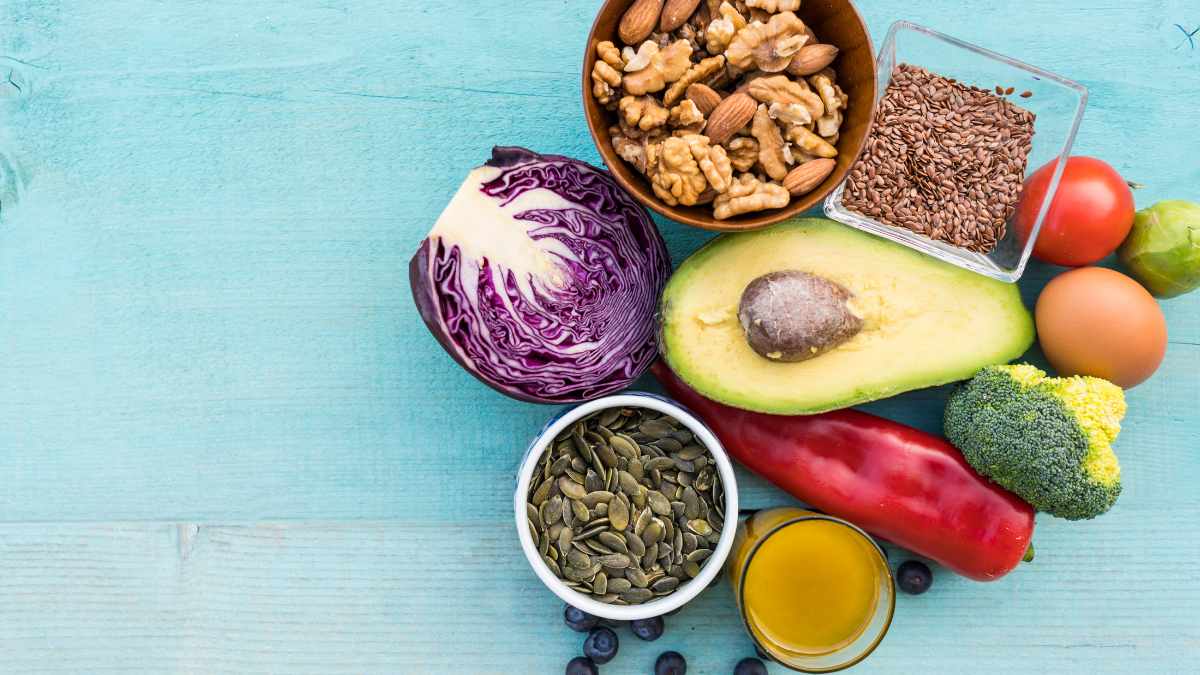

Introduction:
The ketogenic diet, commonly known as keto, has gained immense popularity in recent years as a weight-loss strategy and a means to improve overall health. By drastically reducing carbohydrate intake and replacing it with fat, the body enters a state of ketosis, where it becomes efficient at burning fat for energy. Understanding which foods are suitable for this diet is crucial for anyone looking to adopt this lifestyle. In this article, we will explore the fundamental components of the ketogenic diet, including macronutrient ratios, food choices, and practical meal plans.
Understanding the Ketogenic Diet: A Brief Overview
The ketogenic diet is primarily characterized by its low carbohydrate and high fat content. Typically, the macronutrient breakdown consists of approximately 70-75% fat, 20-25% protein, and only 5-10% carbohydrates. This significant reduction in carbohydrate intake forces the body to rely on fat as its primary energy source. When the liver breaks down fats, it produces ketones, which serve as an alternative fuel for the brain and body.
One of the main goals of the ketogenic diet is to shift the body’s metabolism from burning glucose to burning fat. This metabolic state, known as ketosis, can lead to various health benefits, including weight loss, improved mental clarity, and enhanced energy levels. However, achieving and maintaining ketosis requires careful planning and a thorough understanding of which foods are compatible with the diet.
While the ketogenic diet can be effective for many, it is essential to approach it with caution. Not all fats are created equal, and the quality of food consumed plays a significant role in the diet’s success. Choosing whole, nutrient-dense foods over processed options is crucial for long-term health and sustainability.
Lastly, it is important to note that the ketogenic diet may not be suitable for everyone. Individuals with certain medical conditions or those taking specific medications should consult a healthcare professional before embarking on this dietary journey. Understanding the foundational principles of the ketogenic diet is the first step toward making informed food choices.
Key Macronutrient Ratios for Keto Success
To successfully follow a ketogenic diet, it is vital to adhere to specific macronutrient ratios. As previously mentioned, the typical breakdown includes 70-75% fat, 20-25% protein, and 5-10% carbohydrates. These ratios can vary slightly based on individual goals, activity levels, and metabolic responses. However, maintaining a high fat intake is essential for achieving and sustaining ketosis.
Fats are the primary source of energy on a ketogenic diet. Healthy fats such as avocados, olive oil, and coconut oil should be prioritized. These fats not only provide energy but also supply essential fatty acids and fat-soluble vitamins. It is crucial to avoid trans fats and highly processed oils, as they can lead to inflammation and other health issues.
Proteins play a significant role in the ketogenic diet, but they should be consumed in moderation. Excess protein can be converted into glucose through a process called gluconeogenesis, which may hinder the body’s ability to maintain ketosis. Opting for high-quality protein sources such as grass-fed meats, wild-caught fish, and pasture-raised eggs can help ensure adequate protein intake without compromising ketosis.
Lastly, carbohydrates should be kept to a minimum. This means avoiding sugary foods, grains, and starchy vegetables. Instead, focus on low-carb vegetables and other nutrient-dense foods that provide essential vitamins and minerals while keeping carbohydrate intake low. Understanding and adhering to these macronutrient ratios is critical for anyone looking to succeed on a ketogenic diet.
Low-Carbohydrate Vegetables: A Keto-Friendly Choice
Incorporating low-carbohydrate vegetables into your diet is essential for maintaining nutritional balance while following a ketogenic lifestyle. Vegetables such as spinach, kale, broccoli, cauliflower, and zucchini are excellent choices due to their low carbohydrate content and high fiber levels. These vegetables are not only low in carbs but also rich in vitamins, minerals, and antioxidants, which are vital for overall health.
Leafy greens, in particular, are a staple in a ketogenic diet. They are incredibly versatile and can be used in salads, smoothies, or as a base for various dishes. Additionally, cruciferous vegetables like broccoli and cauliflower can be used as substitutes for higher-carb foods, such as rice and pasta. For instance, cauliflower can be riced or mashed to create a low-carb alternative to traditional side dishes.
It’s essential to be mindful of the carbohydrate content in vegetables, as some may contain higher levels of sugars and starches. Root vegetables like potatoes, carrots, and beets should be limited or avoided altogether due to their higher carbohydrate counts. Instead, focus on non-starchy vegetables that provide essential nutrients without compromising your carb limits.
Incorporating a variety of low-carb vegetables into your meals not only enhances flavor and texture but also ensures that you are getting a wide range of nutrients. This diversity is crucial for preventing deficiencies and promoting overall well-being while adhering to a ketogenic diet.
High-Quality Proteins: Essential for Ketogenic Eating
Protein is a vital component of the ketogenic diet, providing the necessary building blocks for muscle repair and maintenance. However, it is essential to choose high-quality protein sources to maximize health benefits while adhering to the diet’s macronutrient ratios. Opting for grass-fed meats, wild-caught fish, and organic poultry can ensure that you are consuming proteins that are free from harmful additives and hormones.
When selecting protein sources, it is important to consider the fat content as well. Fatty cuts of meat, such as ribeye or pork belly, can provide both protein and healthy fats, making them ideal for a ketogenic diet. Additionally, fatty fish like salmon and mackerel are excellent sources of omega-3 fatty acids, which are beneficial for heart health and reducing inflammation.
Eggs are another fantastic protein source for those on a ketogenic diet. They are versatile, easy to prepare, and packed with nutrients. Rich in vitamins and minerals, eggs can be enjoyed in various forms, from scrambled to poached, and can be incorporated into numerous dishes.
While protein is essential, it is crucial to avoid excessive intake, as too much protein can lead to gluconeogenesis, which may interfere with ketosis. Monitoring portion sizes and focusing on high-quality protein sources will help maintain the delicate balance necessary for successful ketogenic eating.
Healthy Fats: The Cornerstone of a Keto Diet
Healthy fats are the cornerstone of the ketogenic diet, providing the primary source of energy and supporting various bodily functions. Fats should make up the majority of your caloric intake, and it is essential to choose the right types of fats to promote health and well-being. Monounsaturated fats, such as those found in olive oil, avocados, and nuts, are particularly beneficial for heart health.
Saturated fats also play a role in a ketogenic diet, but it is important to consume them in moderation. Sources such as coconut oil, butter, and ghee can provide healthy saturated fats that support ketosis. Additionally, these fats can enhance the flavor of meals and improve satiety, making it easier to adhere to the diet.
Omega-3 fatty acids, found in fatty fish, flaxseeds, and walnuts, are another essential component of a healthy ketogenic diet. These fats are known for their anti-inflammatory properties and can support brain health, cardiovascular health, and overall well-being. Including a variety of healthy fats in your diet will help ensure that you are getting a balanced intake of essential fatty acids.
It is crucial to avoid unhealthy fats, such as trans fats and highly processed vegetable oils, as they can lead to inflammation and other health issues. By focusing on whole, nutrient-dense sources of fat, you can create delicious and satisfying meals that support your ketogenic lifestyle.
Sample Meal Plans: Practical Applications of Keto Foods
Creating a meal plan can be an effective way to ensure that you are meeting your macronutrient goals while enjoying a variety of delicious foods. A sample breakfast could include scrambled eggs cooked in coconut oil, served with sautéed spinach and avocado. This meal is rich in healthy fats and provides a good source of protein to start the day.
For lunch, consider a salad made with mixed greens, grilled chicken, avocado, and a dressing made from olive oil and vinegar. This meal is not only low in carbohydrates but also packed with nutrients and healthy fats. Adding nuts or seeds can enhance the flavor and provide additional healthy fats.
Dinner could feature a fatty cut of meat, such as ribeye steak, served with roasted broccoli and cauliflower drizzled with olive oil. This meal is satisfying and adheres to the macronutrient ratios necessary for a ketogenic diet. For dessert, a small serving of berries with whipped cream can provide a sweet treat without exceeding carbohydrate limits.
Snacks can also be included in a ketogenic meal plan. Options like cheese, nuts, or celery with almond butter can help curb hunger between meals while keeping carbohydrate intake low. By planning meals and snacks in advance, you can ensure that you are making keto-friendly choices throughout the day.
Conclusions:
The ketogenic diet can be an effective approach for those looking to lose weight or improve their overall health. By understanding the key components of the diet, including macronutrient ratios, food choices, and practical meal planning, individuals can successfully navigate the challenges of a low-carbohydrate lifestyle. Focusing on whole, nutrient-dense foods, including low-carb vegetables, high-quality proteins, and healthy fats, is essential for achieving and maintaining ketosis.
Read more:
- Keto Diet Basics – Healthline – A comprehensive overview of the ketogenic diet, including its benefits and potential drawbacks.
- Ketogenic Diet Food List – Diet Doctor – A detailed food list to help individuals make informed choices while following a ketogenic diet.
- Understanding Ketosis – Medical News Today – An article explaining the science behind ketosis and its effects on the body.
- Keto Meal Planning – Ruled.me – A guide to meal planning for a ketogenic diet, including sample meal plans and recipes.
- The Role of Fats in the Keto Diet – Verywell Fit – An exploration of the importance of healthy fats in a ketogenic diet and how to incorporate them effectively.