

Se hai un abbonamento attivo ACCEDI QUI
Introduction:
The ketogenic diet has gained immense popularity for its potential to promote weight loss and enhance mental clarity. This low-carbohydrate, high-fat diet aims to shift the body’s metabolism from burning glucose to burning fat, a state known as ketosis. However, maintaining this metabolic state requires strict adherence to dietary guidelines, particularly regarding carbohydrate intake. Understanding which foods can disrupt ketosis is crucial for anyone looking to maximize the benefits of this dietary approach.
Understanding Ketosis and Its Dietary Requirements
Ketosis is a metabolic state characterized by elevated levels of ketone bodies in the blood, which are produced when the body breaks down fat for energy instead of carbohydrates. To achieve and maintain ketosis, individuals typically limit their carbohydrate intake to around 20-50 grams per day. This drastic reduction in carbohydrates forces the body to adapt to burning fat as its primary fuel source.
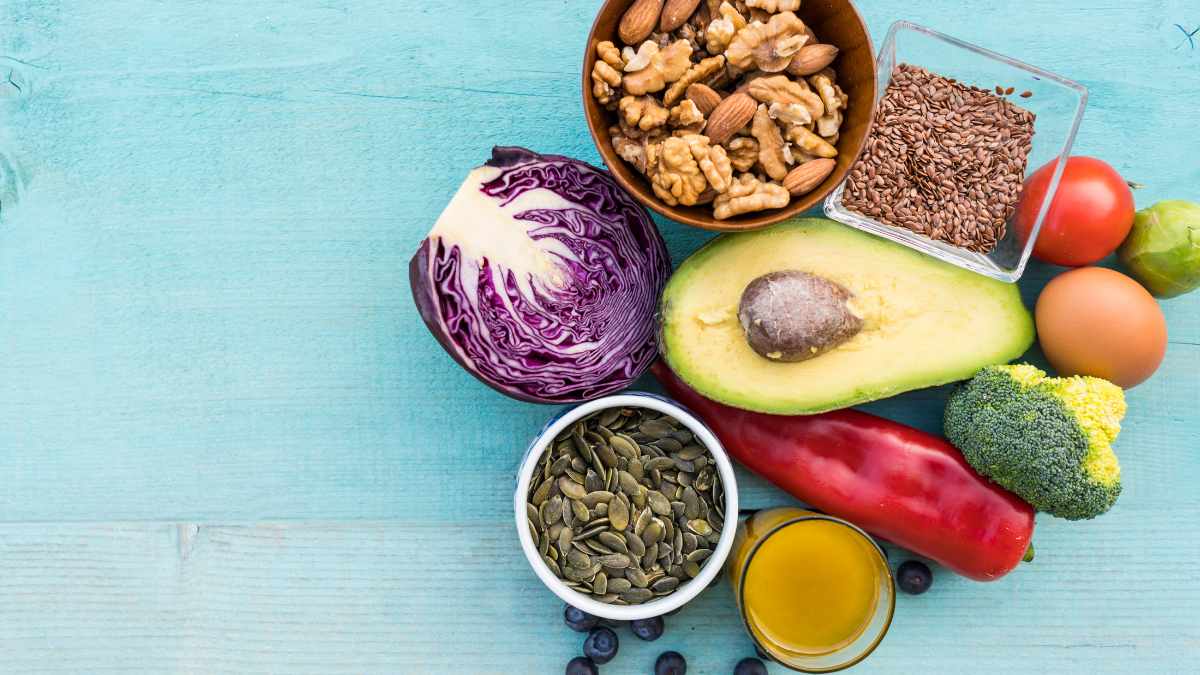
The ketogenic diet is not just about cutting carbs; it also emphasizes the importance of consuming healthy fats and moderate protein. Foods rich in healthy fats, such as avocados, nuts, and olive oil, play a vital role in providing the energy needed for daily activities while keeping insulin levels low. This balance is essential for entering and staying in ketosis, as higher insulin levels can inhibit fat breakdown and promote fat storage.
Additionally, the quality of the foods consumed is just as important as the macronutrient ratios. Whole, unprocessed foods are preferred over refined and processed options, which often contain hidden sugars and unhealthy fats. Understanding the interplay between these dietary components is crucial for anyone embarking on a ketogenic journey.
In summary, achieving and maintaining ketosis requires a comprehensive understanding of dietary requirements, particularly the need to minimize carbohydrate intake while maximizing healthy fats. This foundation sets the stage for recognizing which foods can potentially disrupt this delicate metabolic state.
The Role of Carbohydrates in Ketogenic Diets
Carbohydrates are the primary source of energy for the body, but in a ketogenic diet, their intake is significantly restricted. When carbohydrates are consumed, they are broken down into glucose, which is used for energy. However, when carbohydrate intake is low, the body must find alternative energy sources, leading to the production of ketones from fatty acids.
The body’s ability to enter ketosis hinges on the reduction of insulin levels, which occurs when carbohydrate consumption is minimized. Insulin is a hormone that facilitates the uptake of glucose into cells, and high levels can prevent the body from accessing stored fat for energy. Therefore, understanding the carbohydrate content of various foods is essential for anyone following a ketogenic diet.
Not all carbohydrates are created equal; they can be classified into simple and complex carbohydrates. Simple carbohydrates, found in sugary foods and beverages, are quickly absorbed and can spike blood sugar levels, leading to increased insulin production. In contrast, complex carbohydrates, found in whole grains and legumes, take longer to digest but can still hinder ketosis if consumed in excess.
Ultimately, the role of carbohydrates in ketogenic diets is to be minimized to ensure that the body can effectively transition into and maintain ketosis. This understanding is critical for identifying which foods may inadvertently lead to a return to glucose metabolism.
Common High-Carbohydrate Foods to Avoid
Certain foods are notorious for their high carbohydrate content and should be avoided on a ketogenic diet. Bread, pasta, rice, and other grain-based products are primary offenders, as they can quickly elevate carbohydrate intake beyond the recommended limits. Even whole grain options, often perceived as healthier, can contain significant amounts of carbohydrates that can disrupt ketosis.
Fruits, while nutritious, can also pose a challenge for those trying to maintain ketosis. Many fruits, particularly tropical varieties like bananas, pineapples, and grapes, are high in natural sugars and can quickly add up in carbohydrate content. Instead, low-carb fruits such as berries can be consumed in moderation, but it’s essential to keep portion sizes in check.
Starchy vegetables, such as potatoes, corn, and peas, are another category of foods to avoid. These vegetables are high in carbohydrates and can lead to an increase in blood sugar levels, making it difficult to maintain ketosis. Non-starchy vegetables, like leafy greens, broccoli, and cauliflower, are excellent alternatives that provide essential nutrients without the carb load.
Processed snacks and sweets, including chips, cookies, and sugary beverages, are also detrimental to maintaining ketosis. These foods are often laden with hidden sugars and refined carbohydrates, making them particularly dangerous for those trying to adhere to a ketogenic lifestyle. Recognizing and avoiding these high-carbohydrate foods is essential for successful ketosis.
Hidden Sugars: Unseen Culprits in Your Diet
One of the most insidious threats to maintaining ketosis is hidden sugars found in many seemingly innocuous foods. Condiments, sauces, and dressings often contain added sugars that can significantly increase carbohydrate intake without one realizing it. For instance, ketchup, barbecue sauce, and certain salad dressings can contain high amounts of sugar, making it essential to read labels carefully.
Processed foods are notorious for containing hidden sugars. Items like granola bars, yogurt, and even certain protein powders can have added sugars that contribute to overall carbohydrate intake. It’s crucial for those on a ketogenic diet to scrutinize ingredient lists and nutritional information to avoid these unexpected sources of carbs.
Moreover, many packaged foods marketed as "low-fat" or "healthy" often compensate for reduced fat content with added sugars to enhance flavor. This can lead consumers to believe they are making healthy choices while inadvertently sabotaging their ketogenic efforts. Awareness of food labeling and ingredient transparency is vital for maintaining ketosis.
In summary, hidden sugars are often found in everyday foods and can easily derail a ketogenic diet. By being vigilant about reading labels and understanding the carbohydrate content of various foods, individuals can better protect their ketosis and achieve their dietary goals.
Impact of Processed Foods on Ketosis Maintenance
Processed foods can be detrimental to maintaining ketosis for several reasons. Firstly, they often contain high levels of refined carbohydrates, which can spike blood sugar and insulin levels, making it challenging to stay in a fat-burning state. These foods are typically stripped of their natural nutrients and fiber, leading to quicker digestion and increased cravings.
Additionally, many processed foods are laden with unhealthy fats, preservatives, and artificial ingredients that can negatively impact overall health. These additives may not only hinder ketosis but can also lead to inflammation and other health issues. Choosing whole, nutrient-dense foods is crucial for supporting metabolic health and maintaining ketosis.
Another concern is that processed foods can create a cycle of cravings and overeating. The combination of high sugar and unhealthy fats in these products can lead to addictive eating patterns, making it difficult to adhere to a ketogenic diet. This cycle can result in consuming more carbohydrates than intended, ultimately disrupting ketosis.
In conclusion, the impact of processed foods on ketosis maintenance cannot be overstated. By prioritizing whole, unprocessed foods and being mindful of ingredient lists, individuals can better support their ketogenic lifestyle and achieve their health goals.
Strategies for Identifying and Avoiding Offending Foods
To successfully navigate the challenges of maintaining ketosis, individuals should adopt specific strategies for identifying and avoiding high-carbohydrate foods. One effective approach is to keep a food diary, which can help track daily carbohydrate intake and identify potential pitfalls. By logging everything consumed, individuals can gain insights into their eating patterns and make necessary adjustments.
Another strategy is to familiarize oneself with the carbohydrate content of various foods. Utilizing resources such as nutritional databases or smartphone apps can provide valuable information on the carb content of different foods, making it easier to make informed choices. This knowledge empowers individuals to select low-carb alternatives and avoid hidden sugars.
Meal prepping is also an effective way to stay on track with a ketogenic diet. By planning and preparing meals in advance, individuals can ensure they have ready-to-eat options that align with their dietary goals. This practice reduces the temptation to reach for convenient, high-carb processed foods when hunger strikes.
Finally, seeking support from online communities or local groups focused on ketogenic lifestyles can provide motivation and accountability. Sharing experiences, recipes, and tips can help individuals stay committed to their dietary goals and navigate the challenges of maintaining ketosis more effectively.
Conclusions:
Maintaining ketosis requires a careful understanding of dietary choices, particularly regarding carbohydrate intake. By avoiding high-carb foods, being aware of hidden sugars, and steering clear of processed options, individuals can successfully navigate the ketogenic diet. Implementing strategies such as food tracking, meal prepping, and community support can further enhance the ability to maintain this metabolic state and reap the benefits of a ketogenic lifestyle.
Read more
- Keto Diet Basics – A comprehensive guide to the ketogenic diet, including its benefits and dietary requirements.
- Understanding Ketosis – An in-depth look at ketosis, how it works, and its implications for health and weight loss.
- Hidden Sugars in Foods – A resource detailing common sources of hidden sugars and tips for avoiding them.
- The Impact of Processed Foods – A scientific review of how processed foods affect health and dietary adherence.
- Meal Prepping for Keto – A guide to meal prepping specifically for those following a ketogenic diet, with tips and recipes.