

Se hai un abbonamento attivo ACCEDI QUI
Introduction:
The ketogenic diet has gained immense popularity as a weight-loss strategy and a means to manage certain health conditions. By significantly reducing carbohydrate intake and increasing fat consumption, the body enters a state of ketosis, where it burns fat for fuel instead of carbohydrates. However, to maintain this metabolic state, it is crucial to be aware of which foods can disrupt ketosis. This article explores various categories of foods that should be avoided on the ketogenic diet, helping you make informed dietary choices.
Understanding the Ketogenic Diet: A Brief Overview
The ketogenic diet is characterized by a high-fat, moderate-protein, and very low-carbohydrate intake. Typically, the macronutrient breakdown consists of approximately 70-75% fats, 20-25% protein, and only about 5-10% carbohydrates. This drastic reduction in carbohydrates forces the body to utilize fat as its primary energy source, leading to the production of ketones in the liver.
Achieving and maintaining ketosis requires careful planning and a thorough understanding of food composition. While some foods are naturally low in carbohydrates and high in fats, others can contain hidden sugars and starches that can quickly elevate carbohydrate intake. Understanding which foods to avoid is essential for anyone looking to reap the full benefits of the ketogenic lifestyle.
The transition into ketosis can also lead to temporary side effects known as the "keto flu," which may include fatigue, headaches, and irritability. These symptoms can be exacerbated by consuming foods that are not aligned with the ketogenic principles. Therefore, adhering to a strict dietary regimen is vital for easing this transition and ensuring long-term success.
Ultimately, the ketogenic diet is not just a temporary eating plan but a lifestyle change that requires commitment and knowledge. By avoiding certain foods, individuals can enhance their chances of achieving and maintaining ketosis, leading to improved health outcomes and weight loss.
High-Carbohydrate Foods: The Primary Offenders
High-carbohydrate foods are the most significant threat to maintaining ketosis. Foods such as bread, pasta, rice, and cereals are staples in many diets but are rich in carbohydrates that can quickly push your daily intake over the limit. Even whole grains, often perceived as healthy, can contain substantial amounts of carbs that are incompatible with a ketogenic approach.
In addition to grains, many fruits are naturally high in sugars and carbohydrates. Bananas, apples, and grapes, for instance, can contribute to a significant carbohydrate load. While fruits are nutritious, they should be consumed in moderation or avoided altogether on a keto diet. Instead, low-carb fruits like berries can be enjoyed in limited quantities.
Legumes, including beans and lentils, are another category of foods to avoid. While they are often considered healthy due to their high fiber content and protein, they are also high in carbohydrates, which can hinder your ability to maintain ketosis.
Processed foods that contain hidden sugars and starches also fall into this category. Many packaged snacks, sauces, and condiments can contain ingredients that are not immediately apparent, making it essential to read labels carefully.
Sugary Snacks and Beverages: Hidden Carbs to Avoid
Sugary snacks and beverages are often overlooked when considering foods to avoid on a ketogenic diet. Items like candy, cookies, and cakes are obvious culprits due to their high sugar content. However, many seemingly innocent snacks, such as granola bars and flavored yogurts, can also contain significant amounts of added sugars and carbohydrates.
Sodas and sweetened beverages are particularly dangerous for those on a ketogenic diet. Regular soft drinks are loaded with sugar, while diet sodas may contain artificial sweeteners that can still impact insulin levels and cravings. Even fruit juices, which are often marketed as healthy, can be high in sugar and carbohydrates, making them unsuitable for a ketogenic lifestyle.
Additionally, many coffee drinks and specialty teas are often sweetened with syrups and sugars, which can add up quickly. It’s essential to stick to black coffee or unsweetened teas to avoid hidden carbs and sugars.
To satisfy sweet cravings while adhering to a ketogenic diet, consider using sugar substitutes like stevia or erythritol. These alternatives can provide sweetness without the carbohydrate load, allowing you to enjoy treats without derailing your dietary goals.
Starchy Vegetables: Impact on Ketosis and Blood Sugar
While vegetables are a crucial part of a healthy diet, not all are suitable for a ketogenic lifestyle. Starchy vegetables such as potatoes, corn, and peas are high in carbohydrates and can significantly impact blood sugar levels. Consuming these vegetables can lead to an increase in insulin, which can hinder the process of ketosis.
Root vegetables, including carrots and beets, also contain higher levels of sugars and carbohydrates compared to leafy greens and cruciferous vegetables. While they offer nutritional benefits, they should be limited or avoided to maintain a low carbohydrate intake.
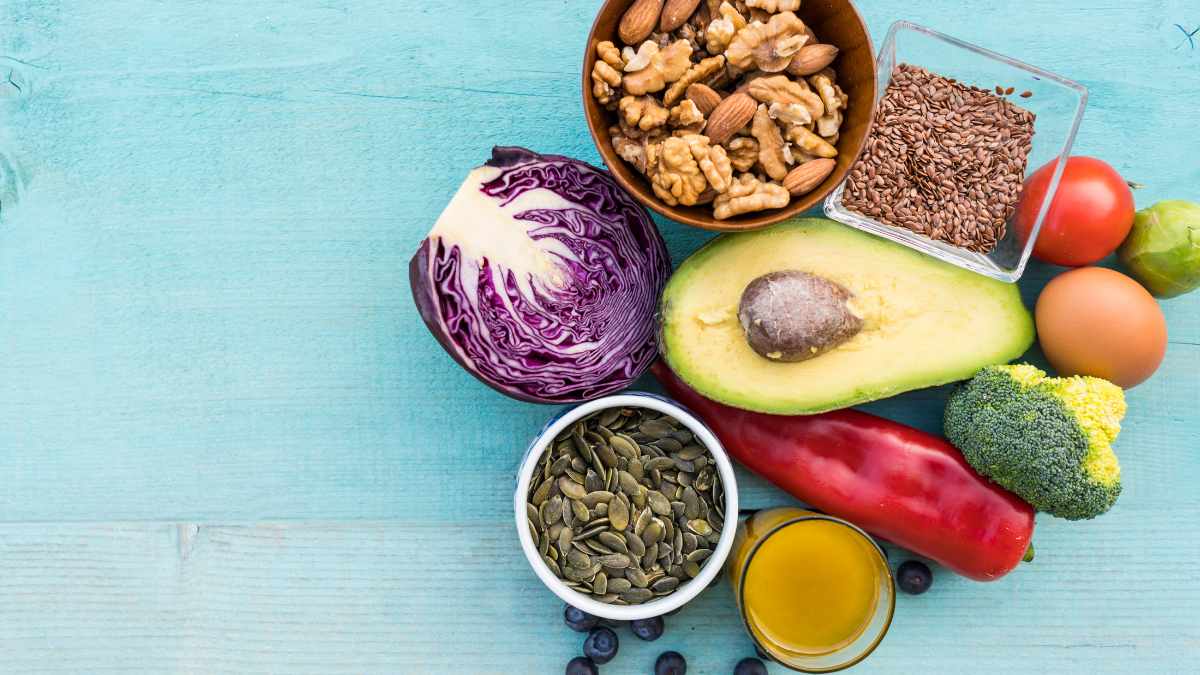
Instead, focus on non-starchy vegetables like spinach, kale, broccoli, and cauliflower. These options are low in carbohydrates and high in nutrients, making them ideal for a ketogenic diet. They can be used in various dishes, from salads to stir-fries, without compromising your carbohydrate limits.
It’s also essential to be mindful of portion sizes when consuming vegetables, as even low-carb options can add up if eaten in large quantities. Incorporating a variety of non-starchy vegetables can help ensure you receive the necessary vitamins and minerals while staying within your carbohydrate goals.
Processed Foods: Ingredients That Derail Keto Success
Processed foods are often laden with hidden ingredients that can derail your ketogenic success. Many packaged foods contain added sugars, unhealthy fats, and preservatives that can contribute to increased carbohydrate intake. For example, salad dressings, sauces, and marinades can contain sugars and starches, making it crucial to read labels carefully.
Furthermore, many processed snacks, such as chips and crackers, are made from grains and starches, which are incompatible with a ketogenic diet. Even products labeled as "low-carb" should be scrutinized, as they may still contain ingredients that can disrupt ketosis.
When shopping for processed foods, look for those specifically labeled as keto-friendly or low in carbohydrates. However, it’s always best to prioritize whole, unprocessed foods whenever possible, as they are more likely to align with the principles of a ketogenic diet.
In addition to being mindful of ingredients, it’s essential to consider the overall quality of the food. Highly processed foods often lack the nutrients found in whole foods, which can lead to deficiencies over time. By focusing on fresh, whole ingredients, you can better support your health while adhering to a ketogenic lifestyle.
Alcohol Consumption: Navigating Choices on a Keto Diet
Alcohol can be a tricky area for those following a ketogenic diet. Many alcoholic beverages are high in carbohydrates, particularly beers and sweet wines. These drinks can quickly push you out of ketosis, making it essential to choose wisely when indulging in alcoholic beverages.
Spirits such as vodka, gin, rum, and whiskey are generally low in carbohydrates and can be consumed in moderation on a ketogenic diet. However, it’s crucial to avoid mixers that are high in sugar, such as soda, tonic water, and fruit juices. Instead, opt for low-carb mixers like soda water or diet tonic.
Dry wines can also be a suitable option, as they typically contain fewer carbohydrates than sweeter varieties. Red and white wines can be enjoyed in moderation, but it’s essential to keep track of your intake to avoid exceeding your carbohydrate limits.
Lastly, be aware that alcohol can affect your body’s ability to enter ketosis. It may also lower your inhibitions, leading to poor food choices that can hinder your progress. Moderation and mindfulness are key when it comes to alcohol consumption on a ketogenic diet.
Conclusions:
Navigating the ketogenic diet requires a thorough understanding of which foods to avoid to maintain ketosis. By steering clear of high-carbohydrate foods, sugary snacks and beverages, starchy vegetables, processed foods, and certain alcoholic beverages, you can enhance your chances of success. Adopting a ketogenic lifestyle is not just about what you can eat, but also about making informed choices that align with your dietary goals.
Read more:
- Keto Diet Basics – An overview of the ketogenic diet, its benefits, and how to get started.
- Foods to Avoid on Keto – A comprehensive list of foods to avoid when following a ketogenic diet.
- Understanding Carbohydrates – A detailed examination of carbohydrates and their impact on health.
- Keto-Friendly Alcohol Choices – A guide to alcohol choices that fit within a ketogenic lifestyle.
- The Impact of Processed Foods – A study discussing the effects of processed foods on health and nutrition.