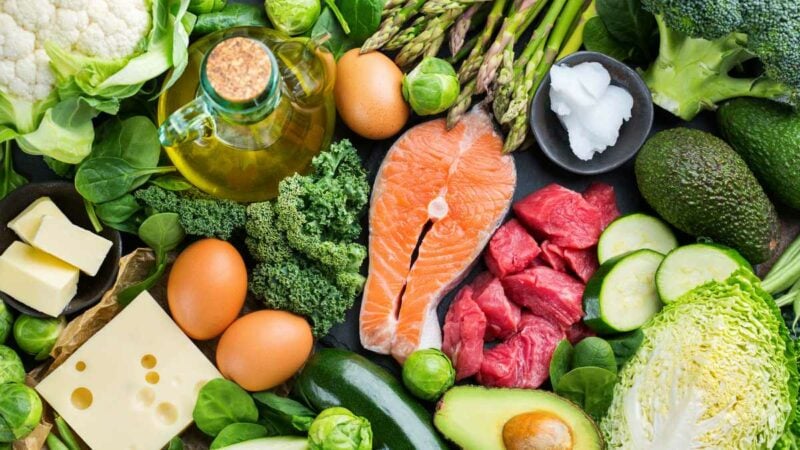


Introduction:
The ketogenic diet has gained significant popularity for its potential to promote weight loss and improve metabolic health. This low-carbohydrate, high-fat dietary approach encourages the body to enter a state of ketosis, where it burns fat for fuel instead of carbohydrates. However, many individuals following this diet often wonder about the role of fruits, which are typically associated with higher carbohydrate content. Understanding which fruits can be incorporated into a ketogenic lifestyle is crucial for maintaining nutritional balance while adhering to the diet’s principles.
Understanding the Ketogenic Diet and Its Nutritional Goals
The ketogenic diet primarily focuses on drastically reducing carbohydrate intake while increasing fat consumption. This macronutrient shift aims to induce ketosis, a metabolic state where the body efficiently utilizes fat as its primary energy source. The typical macronutrient breakdown for a ketogenic diet is approximately 70-75% fat, 20-25% protein, and only 5-10% carbohydrates. This stark reduction in carbohydrates is essential for achieving and maintaining ketosis.
To successfully follow a ketogenic diet, individuals must be mindful of their daily carbohydrate intake, which typically ranges from 20 to 50 grams. This limited carbohydrate allowance necessitates careful food choices, particularly when it comes to fruits, which are naturally high in sugars and carbohydrates. The goal is to select foods that provide essential nutrients without exceeding the carbohydrate threshold, thus supporting overall health and well-being.
In addition to weight loss, the ketogenic diet is associated with various health benefits, including improved blood sugar control, enhanced mental clarity, and reduced inflammation. However, to reap these benefits, it is crucial to maintain a well-rounded diet that includes a variety of nutrients. This is where the challenge of incorporating fruits comes into play, as many fruits can quickly consume the daily carbohydrate allowance.
Understanding the nutritional profile of fruits is essential for those on a ketogenic diet. While fruits are generally rich in vitamins, minerals, and antioxidants, they also contain varying levels of carbohydrates, primarily in the form of natural sugars. Therefore, it is vital to identify which fruits can fit into a low-carb lifestyle without compromising the diet’s effectiveness.
The Role of Carbohydrates in a Keto-Friendly Diet
Carbohydrates are one of the three primary macronutrients, alongside proteins and fats. In a standard diet, carbohydrates serve as the body’s primary energy source. However, in a ketogenic diet, the goal is to minimize carbohydrate intake to encourage the body to switch from glucose metabolism to fat metabolism. This metabolic shift is crucial for achieving ketosis and maximizing the benefits of the diet.
When carbohydrates are consumed, they are broken down into glucose, which can lead to spikes in blood sugar levels. For individuals with insulin resistance or type 2 diabetes, this can be particularly problematic. The ketogenic diet aims to stabilize blood sugar levels by reducing carbohydrate intake, thus improving insulin sensitivity and overall metabolic health. This is one reason why many people find success with the ketogenic approach.
Despite the focus on low carbohydrate intake, it is essential to recognize that not all carbohydrates are created equal. While refined sugars and processed carbohydrates should be avoided, whole food sources of carbohydrates, such as certain fruits, can provide valuable nutrients. The key is to select fruits that are lower in carbohydrates and high in fiber, as fiber can help mitigate the impact of sugar on blood sugar levels.
Incorporating low-carb fruits into a ketogenic diet can provide essential vitamins and minerals, contributing to overall health. However, careful consideration of portion sizes and carbohydrate content is necessary to ensure that fruit consumption does not hinder the diet’s effectiveness. Understanding the role of carbohydrates in a keto-friendly diet is vital for making informed choices about fruit intake.
Low-Carb Fruits: A Comprehensive Overview for Keto
When it comes to fruits suitable for a ketogenic diet, the focus should be on those that are low in carbohydrates and high in fiber. Berries, such as strawberries, raspberries, and blackberries, are excellent choices due to their relatively low sugar content and high antioxidant levels. These fruits can provide a satisfying sweetness without significantly impacting daily carbohydrate limits.
Avocado, often classified as a fruit, is another keto-friendly option. Rich in healthy fats, fiber, and essential nutrients, avocados can enhance the nutritional profile of meals while keeping carbohydrate intake low. Their creamy texture makes them a versatile addition to salads, smoothies, and even desserts, allowing individuals to enjoy fruit while adhering to keto principles.
Coconut is also a unique fruit that offers a variety of health benefits. Both fresh coconut and unsweetened coconut flakes are low in carbohydrates and high in healthy fats. Coconut can be incorporated into various dishes, providing a tropical flavor while maintaining a low-carb profile. Additionally, coconut oil, derived from the fruit, is a popular fat source in ketogenic cooking.
Other low-carb fruits include olives and tomatoes. While often overlooked, olives are a great source of healthy fats and can be enjoyed as snacks or in salads. Tomatoes, though technically fruits, can be consumed in moderation, as they provide essential vitamins and can add flavor to various dishes. Understanding the carbohydrate content of these fruits is key to successfully incorporating them into a ketogenic diet.
Top Fruit Choices That Align with Keto Principles
When selecting fruits for a ketogenic diet, it is essential to prioritize those that align with the diet’s low-carb principles. Berries, particularly strawberries, raspberries, and blackberries, are among the top choices. These fruits are not only low in carbohydrates but also rich in antioxidants, vitamins, and fiber, making them a nutritious addition to meals and snacks.
Avocados stand out as a unique fruit that is exceptionally keto-friendly. With their high-fat content and low carbohydrate levels, avocados can be enjoyed in various forms, from guacamole to salads. They provide a creamy texture and are packed with essential nutrients, including potassium and vitamins C, E, and K, making them a staple in many ketogenic meal plans.
Another excellent fruit option is rhubarb. Although often used in desserts, rhubarb is technically a vegetable. It is low in carbohydrates and can be cooked down to create a tangy sauce or added to savory dishes. Its tart flavor can be a refreshing contrast to sweeter fruits, providing variety in a keto-friendly diet.
Lastly, lemons and limes are citrus fruits that can be used to enhance the flavor of dishes without adding significant carbohydrates. Their juice can be used in dressings, marinades, and beverages, providing a zesty kick while keeping carbohydrate intake low. Incorporating these fruits into a ketogenic diet can help individuals enjoy a diverse range of flavors while staying within their carbohydrate limits.
Portion Control: Managing Fruit Intake on Keto
While certain fruits can be incorporated into a ketogenic diet, portion control is crucial to ensure that carbohydrate intake remains within the desired range. Even low-carb fruits can add up quickly if consumed in large quantities. Therefore, it is essential to measure and track fruit portions to maintain adherence to the diet.
For example, a half-cup of strawberries contains approximately 6 grams of carbohydrates, while a similar serving of raspberries has around 7 grams. By being mindful of portion sizes, individuals can enjoy these fruits without exceeding their daily carbohydrate limits. Using measuring cups or a food scale can help with accurate portion control.
Another strategy for managing fruit intake is to incorporate fruits into meals rather than consuming them as standalone snacks. Adding a small serving of berries to a salad or blending them into a smoothie can help control portion sizes while still enjoying the flavors and nutrients they offer. This approach can also enhance the overall nutritional profile of meals.
It is also beneficial to plan fruit consumption around physical activity. Consuming fruits before or after exercise can provide a quick source of energy without significantly impacting ketosis, especially if the fruit is low in carbohydrates. By strategically timing fruit intake, individuals can enjoy the benefits of fruits while adhering to their ketogenic goals.
Practical Tips for Incorporating Fruit into a Keto Plan
Incorporating fruits into a ketogenic diet requires careful planning and creativity. One effective strategy is to create a meal plan that includes low-carb fruits in moderation. By mapping out meals and snacks in advance, individuals can ensure they stay within their carbohydrate limits while enjoying a variety of flavors.
Experimenting with different recipes can also make fruit consumption more enjoyable. For instance, blending berries into a low-carb smoothie with coconut milk and spinach can create a nutrient-dense breakfast option. Additionally, using fruits as toppings for keto-friendly desserts, such as almond flour pancakes or chia seed pudding, can add natural sweetness without overwhelming carbohydrate intake.
Another practical tip is to keep a variety of low-carb fruits on hand for easy access. Having fresh berries, avocados, and olives readily available can encourage healthier snacking choices. Preparing fruit-infused water with lemon or lime can also provide a refreshing beverage option without added sugars.
Lastly, staying informed about the carbohydrate content of different fruits is essential for making smart choices. Utilizing mobile apps or online resources to track carbohydrate intake can help individuals remain accountable and make informed decisions about their fruit consumption. By adopting these practical tips, individuals can successfully incorporate fruits into their ketogenic lifestyle while enjoying the benefits of a diverse and nutritious diet.
Conclusions:
In conclusion, while the ketogenic diet emphasizes low carbohydrate intake, it is possible to enjoy certain fruits without compromising dietary goals. By focusing on low-carb options such as berries, avocados, and lemons, individuals can incorporate nutrient-dense fruits into their meals and snacks. Portion control and strategic planning are key to managing fruit intake effectively. With the right approach, fruits can complement a ketogenic lifestyle, providing essential vitamins and minerals while supporting overall health.
Read more:
- Keto Diet Basics – A comprehensive guide to understanding the ketogenic diet and its principles.
- Low-Carb Fruits for Keto – An overview of fruits that are suitable for a ketogenic diet, including their carbohydrate content.
- Avocado: A Keto Superfood – An in-depth look at the health benefits of avocados and their role in a ketogenic diet.
- Portion Control on Keto – Tips and strategies for managing portion sizes while following a ketogenic diet.
- Keto-Friendly Recipes – A collection of low-carb recipes that incorporate fruits and other keto-friendly ingredients.