

Introduction:
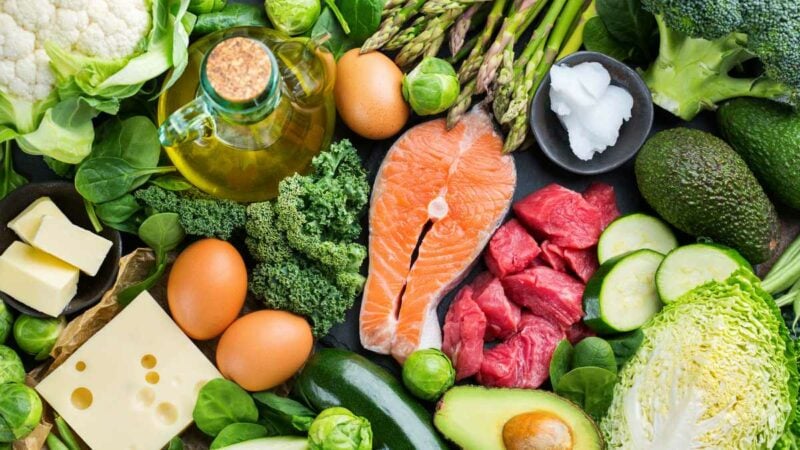
The ketogenic diet, commonly referred to as the keto diet, has gained immense popularity for its potential to facilitate weight loss and improve metabolic health. This low-carbohydrate, high-fat diet encourages the body to enter a state of ketosis, where it primarily burns fat for energy instead of carbohydrates. While the focus is often on fats and proteins, fruits can also play a role in a well-rounded keto diet. Understanding which fruits fit within the macronutrient framework of keto is essential for those looking to maintain this dietary approach.
Understanding the Keto Diet: A Brief Overview of Macronutrients
The ketogenic diet is fundamentally built on a specific macronutrient ratio. Typically, it consists of approximately 70-75% fats, 20-25% protein, and only 5-10% carbohydrates. This unique distribution is designed to shift the body’s metabolism from relying on glucose derived from carbohydrates to utilizing ketones produced from fat breakdown. This metabolic switch is crucial for achieving the desired benefits of the diet, including weight loss, improved energy levels, and enhanced mental clarity.
In this context, macronutrients are the nutrients that provide energy and are essential for growth and maintenance. While fats and proteins are the primary focus, carbohydrates cannot be completely eliminated. Instead, the goal is to minimize carbohydrate intake to a level that allows the body to enter and sustain ketosis. Understanding how to balance these macronutrients is key for anyone embarking on a ketogenic journey.
Moreover, the quality of the macronutrients consumed is equally important. Not all fats are created equal, and the same applies to carbohydrates. For instance, the keto diet encourages the consumption of healthy fats from sources like avocados, nuts, and olive oil, while discouraging trans fats and refined sugars. This principle extends to carbohydrates, where whole, nutrient-dense foods are preferred over processed options.
Fruits, often perceived as healthy, can be deceptively high in sugars and carbohydrates. Therefore, it is crucial to assess their nutritional content and determine which options align with the keto framework. By understanding the macronutrient composition of various fruits, individuals can make informed choices that support their dietary goals while still enjoying the flavors and benefits that fruits offer.
The Role of Carbohydrates in a Ketogenic Diet
Carbohydrates are one of the three primary macronutrients, and they serve as the body’s main source of energy. However, in a ketogenic diet, carbohydrate intake is significantly restricted to encourage the body to enter ketosis. This reduction in carbohydrates forces the body to adapt by utilizing fat as its primary energy source, which can lead to weight loss and various health benefits.
When carbohydrates are consumed, they are broken down into glucose, which is then used for energy. If glucose levels are high, the body stores the excess as glycogen in the liver and muscles. However, in a state of ketosis, glycogen stores are depleted, and the body begins to produce ketones from fatty acids, providing an alternative energy source. This metabolic shift is what makes the keto diet effective for many individuals seeking to lose weight or improve their health.
While the keto diet restricts carbohydrates, it does not eliminate them entirely. It is essential to consume low-carb options to maintain overall health and ensure the intake of essential vitamins and minerals. This is where the careful selection of fruits becomes important. Low-carb fruits can provide nutritional benefits without significantly impacting carbohydrate intake, allowing individuals to enjoy their favorite flavors while adhering to their dietary restrictions.
Ultimately, the role of carbohydrates in a ketogenic diet is to be minimized but not completely excluded. By focusing on low-carb fruits and understanding their impact on overall carbohydrate intake, individuals can successfully navigate the complexities of the keto diet while still enjoying a variety of foods.
Low-Carb Fruits: Nutritional Profiles and Benefits
When considering fruits for a ketogenic diet, it is essential to look for options that are low in carbohydrates yet high in essential nutrients. Many fruits are naturally high in sugars, which can quickly add up and exceed the daily carbohydrate limit. However, certain fruits can provide health benefits without derailing a keto diet.
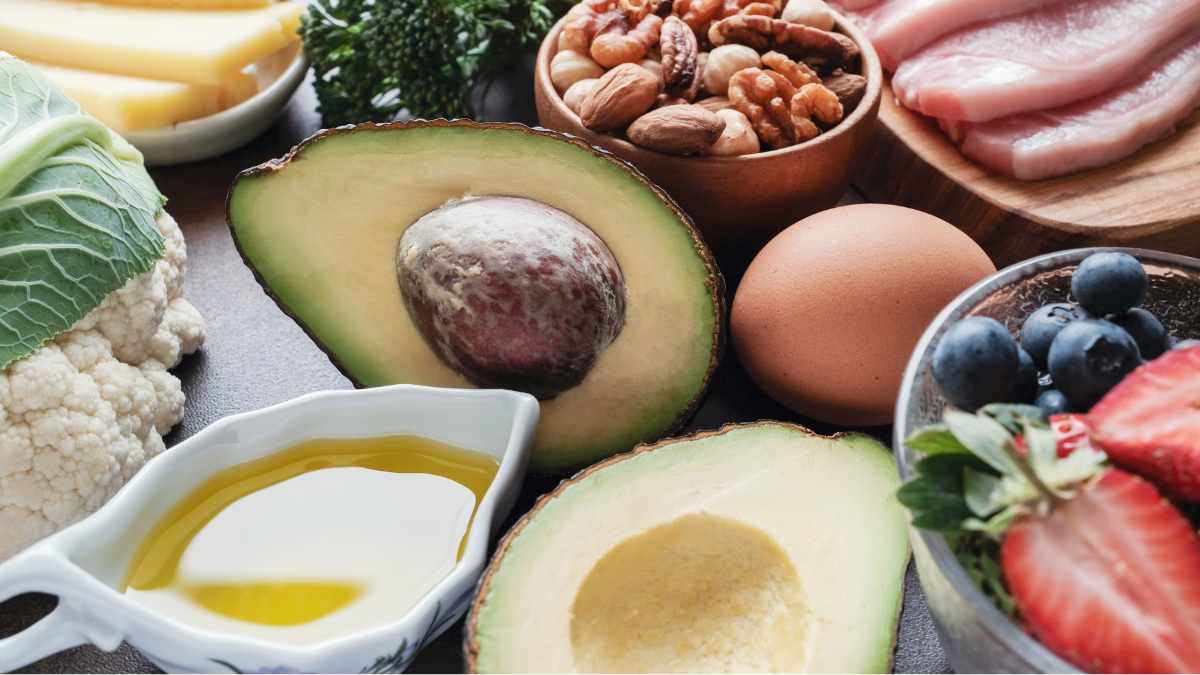
Low-carb fruits tend to be those that grow in cooler climates, as they usually have lower sugar content. Fruits like berries—such as strawberries, raspberries, and blackberries—are excellent choices. These fruits are not only low in carbohydrates but also rich in antioxidants, vitamins, and minerals. For instance, raspberries contain about 5 grams of net carbs per 100 grams, making them a popular option for keto dieters.
Another category of low-carb fruits includes avocados, which are often classified as a fruit despite their savory flavor. Avocados are high in healthy monounsaturated fats and low in carbohydrates, with about 2 grams of net carbs per 100 grams. They are also an excellent source of potassium, which can help maintain electrolyte balance, especially important for those on a ketogenic diet.
In addition to berries and avocados, other low-carb fruits include tomatoes and cucumbers, both of which are technically fruits. These options provide hydration and essential nutrients without adding significant carbohydrates to the diet. By incorporating these low-carb fruits into a ketogenic meal plan, individuals can enjoy the flavors and health benefits of fruits while staying within their carbohydrate limits.
Top Keto-Friendly Fruits: Options for Your Diet Plan
When planning a ketogenic diet, it is beneficial to have a list of keto-friendly fruits that can be easily incorporated into meals and snacks. Some of the top choices include berries, avocados, and melons. Berries, such as strawberries, blueberries, and blackberries, are particularly popular due to their low carbohydrate content and high antioxidant levels.
Strawberries, for example, contain approximately 7 grams of net carbs per 100 grams. They are not only delicious but also packed with vitamin C, manganese, and folate. Blueberries, while slightly higher in carbs, can still be enjoyed in moderation, providing a rich source of antioxidants that support overall health.
Avocados are another standout option, offering a unique combination of healthy fats and minimal carbohydrates. Their creamy texture makes them versatile for various dishes, from salads to smoothies. Additionally, avocados are rich in fiber, which can aid in digestion and help maintain a feeling of fullness.
Melons, such as cantaloupe and watermelon, can also fit into a keto diet when consumed in moderation. Cantaloupe contains about 8 grams of net carbs per 100 grams, while watermelon has around 7 grams. These fruits provide hydration and a refreshing taste, making them perfect for summer snacks. By incorporating these top keto-friendly fruits into your diet, you can enjoy a variety of flavors while adhering to your macronutrient goals.
Portion Control: Managing Fruit Intake on Keto
While low-carb fruits are a great addition to a ketogenic diet, portion control is crucial to ensure that carbohydrate intake remains within the desired range. Even low-carb fruits can contribute to overall carbohydrate consumption, so it is essential to be mindful of serving sizes.
One effective strategy for managing fruit intake is to measure portions before consumption. For instance, instead of eating straight from a container, portion out a specific amount of berries or slices of avocado. This practice can help prevent overindulgence and keep carbohydrate levels in check. Additionally, keeping a food diary or using a tracking app can provide insight into daily carbohydrate intake, making it easier to stay within limits.
Another approach is to incorporate fruits into meals rather than consuming them as standalone snacks. For example, adding a small handful of berries to a salad or blending avocado into a smoothie can enhance flavors while controlling portions. This method allows for the enjoyment of fruits without the risk of exceeding carbohydrate limits.
Lastly, it is important to remember that individual tolerance to carbohydrates may vary. Some people may find they can enjoy slightly larger portions of low-carb fruits while still maintaining ketosis, while others may need to be more stringent. Listening to your body and adjusting portions accordingly will help create a sustainable and enjoyable keto lifestyle.
Incorporating Fruits into Your Keto Lifestyle Effectively
Incorporating fruits into a ketogenic lifestyle can be done effectively with a few strategic approaches. First, planning meals and snacks around low-carb fruits can help ensure that they are included in the diet without exceeding carbohydrate limits. For instance, creating a meal plan that features berries in breakfast smoothies or avocados in salads can make it easier to enjoy these fruits regularly.
Another effective method is to experiment with different recipes that highlight low-carb fruits. For example, making a berry compote to top keto-friendly pancakes or using avocado as a base for a creamy dressing can enhance the overall flavor profile of meals. This not only adds variety to the diet but also keeps meals exciting and enjoyable.
Additionally, considering the timing of fruit consumption can be beneficial. Consuming fruits after workouts can help replenish glycogen stores without significantly impacting ketosis, especially if the chosen fruit is low in carbs. This approach allows for the benefits of fruits while still adhering to the principles of the ketogenic diet.
Lastly, staying informed about the carbohydrate content of various fruits can empower individuals to make better choices. Keeping a list of keto-friendly fruits and their nutritional profiles handy can serve as a quick reference when grocery shopping or meal planning. By adopting these strategies, individuals can effectively incorporate fruits into their ketogenic lifestyle while enjoying the health benefits they provide.
Conclusions:
Navigating the world of fruits on a ketogenic diet requires careful consideration of carbohydrate content and portion sizes. By focusing on low-carb options such as berries, avocados, and melons, individuals can enjoy the nutritional benefits of fruits while adhering to their dietary goals. Understanding the role of carbohydrates in a ketogenic diet and implementing effective strategies for incorporating fruits can lead to a more balanced and enjoyable eating experience. With the right approach, fruits can complement a ketogenic lifestyle, providing flavor, nutrition, and satisfaction.
Read more:
- Keto Diet Basics – A comprehensive overview of the ketogenic diet, its principles, and benefits.
- Low-Carb Fruits for Keto – A detailed guide on the best low-carb fruits suitable for a ketogenic diet.
- The Science Behind Ketosis – A research article discussing the metabolic processes involved in ketosis.
- Portion Control on Keto – Insights on managing portion sizes to maintain a successful ketogenic diet.
- Keto-Friendly Recipes – A collection of delicious recipes that incorporate low-carb fruits and ingredients for a ketogenic lifestyle.