

Introduction:
The ketogenic diet has gained immense popularity over the years as a weight-loss strategy and a means to improve overall health. However, within the realm of keto, there exists a subset known as "dirty keto." This approach allows for a more relaxed interpretation of the ketogenic guidelines, focusing primarily on macronutrient ratios rather than food quality. As a result, many individuals find themselves questioning the true implications of dirty keto on their health and well-being. This article will delve into the nuances of dirty keto, its differences from clean keto, common misconceptions, nutritional implications, long-term effects, and practical tips for those considering a transition to a cleaner approach.
Understanding the Fundamentals of Dirty Keto Dieting
Dirty keto is characterized by its emphasis on achieving the desired macronutrient ratios—high fat, moderate protein, and very low carbohydrates—without regard for the quality of the food consumed. This means that individuals following this approach may indulge in processed foods, fast food, and other low-quality options, as long as they fit within their daily carb limit. The primary goal remains the same: to enter and maintain a state of ketosis, where the body burns fat for fuel instead of carbohydrates.
The appeal of dirty keto lies in its convenience and flexibility. For many, it can be easier to adhere to than clean keto, which often requires meticulous meal planning and preparation. This accessibility can lead to a more sustainable approach for some individuals, particularly those with busy lifestyles. However, the ease of dirty keto can also mask potential health risks associated with a diet high in processed foods.
Moreover, dirty keto may attract those who are new to the ketogenic lifestyle and are looking for a less restrictive entry point. The lack of strict guidelines can make it seem more approachable, especially for individuals who may feel overwhelmed by the idea of eliminating entire food groups or meticulously tracking their nutrient intake. However, this approach can lead to significant variations in nutrient quality and overall health outcomes.
Ultimately, dirty keto can be defined as a way to achieve ketosis without the commitment to whole, nutrient-dense foods. While it may provide short-term results, understanding its implications is crucial for anyone considering this dietary approach.
Key Differences Between Dirty Keto and Clean Keto
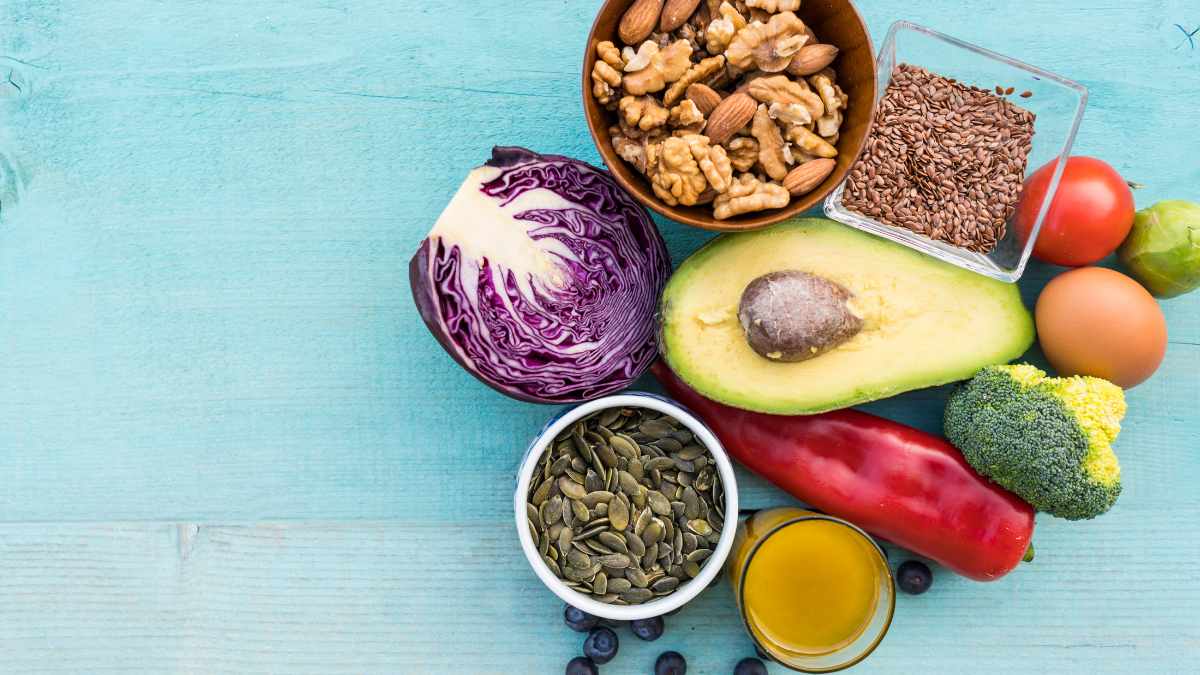
The primary distinction between dirty keto and clean keto lies in the quality of the foods consumed. Clean keto emphasizes whole, unprocessed foods that are rich in nutrients, such as avocados, leafy greens, nuts, seeds, and high-quality proteins. This approach not only supports the body’s nutritional needs but also fosters overall health and well-being. In contrast, dirty keto allows for a more liberal intake of processed foods, which can include items such as bacon, cheese, and fast food, as long as they adhere to the macronutrient ratios.
Another key difference is the emphasis on micronutrients. Clean keto advocates stress the importance of vitamins, minerals, and antioxidants, which are often lacking in processed foods. By prioritizing nutrient-dense options, individuals following clean keto can better support their immune system, energy levels, and overall health. Conversely, dirty keto may lead to deficiencies in essential nutrients, as processed foods often lack the vitamins and minerals necessary for optimal health.
The impact on gut health is also notable. Clean keto typically includes a variety of fiber-rich vegetables, which promote a healthy gut microbiome. In contrast, the reliance on processed foods in dirty keto can disrupt gut health, leading to issues such as inflammation and digestive discomfort. This difference in dietary fiber intake can have significant implications for long-term health.
Finally, the psychological aspect of each approach varies. Clean keto often fosters a more mindful relationship with food, encouraging individuals to consider the source and quality of what they consume. Dirty keto, on the other hand, may promote a more casual attitude towards food choices, which can lead to unhealthy eating habits over time.
Common Misconceptions Surrounding Dirty Keto Practices
One prevalent misconception about dirty keto is that it is a "shortcut" to achieving weight loss without the effort required for clean keto. While it may lead to initial weight loss due to the reduction in carbohydrate intake, this approach can mask underlying health issues that arise from poor food choices. Many individuals mistakenly believe that as long as they stay within their carb limits, they can consume any food without repercussions, which is not the case.
Another misunderstanding is that dirty keto is inherently sustainable. While the flexibility of dirty keto may seem appealing, it can lead to nutritional imbalances and cravings for unhealthy foods. Over time, individuals may find it challenging to maintain their weight loss or experience negative health consequences, such as increased cholesterol levels or insulin resistance.
Additionally, some people assume that dirty keto is suitable for everyone. However, individual responses to dietary patterns can vary significantly. Factors such as age, activity level, and pre-existing health conditions play a critical role in how one’s body reacts to different food sources. Therefore, what works for one person may not be appropriate for another.
Lastly, there is a misconception that dirty keto is a "one-size-fits-all" solution. In reality, the effectiveness of any diet depends on personal goals, preferences, and lifestyle factors. While dirty keto may work for some individuals in the short term, it is essential to consider the long-term implications of dietary choices on overall health.
Nutritional Implications of a Dirty Keto Approach
The nutritional implications of adopting a dirty keto approach can be profound. While the primary goal is to achieve ketosis, the reliance on processed foods can lead to deficiencies in essential vitamins and minerals. Many processed foods are stripped of their nutritional value, lacking the fiber, antioxidants, and phytonutrients found in whole foods. This can result in a diet that is high in unhealthy fats and low in essential nutrients, ultimately compromising overall health.
Moreover, dirty keto can lead to an imbalance of macronutrients. While the focus is on high fat and low carbohydrates, the quality of those fats matters. Consuming unhealthy trans fats and excessive saturated fats from processed sources can contribute to cardiovascular issues, inflammation, and other health concerns. Clean keto, on the other hand, emphasizes healthy fats from sources like avocados, olive oil, and fatty fish, which support heart health and provide essential nutrients.
The impact on metabolic health is also significant. A diet high in processed foods can lead to insulin resistance, increased blood sugar levels, and a higher risk of developing type 2 diabetes. In contrast, clean keto promotes stable blood sugar levels and improved insulin sensitivity, making it a more favorable option for long-term metabolic health.
Additionally, the psychological effects of dirty keto should not be overlooked. The consumption of highly palatable processed foods can lead to cravings and overeating, making it challenging to maintain a healthy relationship with food. Clean keto encourages a more balanced approach, fostering mindfulness and a deeper appreciation for nutrient-dense foods.
Evaluating the Long-Term Effects of Dirty Keto
The long-term effects of dirty keto can be concerning for many individuals. While some may experience short-term weight loss, the reliance on processed foods can lead to chronic health issues over time. Research has shown that diets high in processed foods are associated with an increased risk of obesity, cardiovascular disease, and metabolic syndrome. These conditions can significantly impact quality of life and overall longevity.
Furthermore, the psychological implications of dirty keto can lead to a cycle of unhealthy eating habits. The ease of access to processed foods can foster a dependency on convenience rather than a commitment to healthful eating. This can create a pattern of yo-yo dieting, where individuals oscillate between unhealthy eating and restrictive dieting, ultimately leading to frustration and disillusionment with their dietary choices.
Another long-term consideration is the impact on gut health. A diet lacking in fiber and rich in processed foods can disrupt the gut microbiome, leading to digestive issues, inflammation, and a weakened immune system. Clean keto, with its emphasis on whole foods, supports a healthy gut environment, which is crucial for overall health and well-being.
Finally, the potential for nutrient deficiencies is a significant concern. Over time, a lack of essential vitamins and minerals can lead to a range of health issues, including weakened bones, impaired immune function, and increased susceptibility to chronic diseases. Transitioning to a cleaner approach can help mitigate these risks and promote long-term health.
Practical Tips for Transitioning to a Cleaner Keto Diet
Transitioning from dirty keto to a cleaner keto approach requires a mindful shift in food choices and meal planning. Start by gradually incorporating more whole, unprocessed foods into your diet. Focus on nutrient-dense options such as leafy greens, avocados, nuts, seeds, and high-quality proteins. This transition can help improve overall nutrient intake and support better health outcomes.
Meal prepping is an effective strategy for ensuring that you have healthy options readily available. By planning your meals in advance, you can avoid the temptation of processed foods and make more intentional choices. Consider preparing batches of low-carb dishes that can be easily reheated throughout the week, such as vegetable stir-fries, salads, and healthy fats like guacamole.
Educate yourself about food labels and ingredient lists. Understanding what goes into the foods you consume can empower you to make better choices. Look for products with minimal ingredients, avoiding those with artificial additives, preservatives, and excessive sugars. This knowledge can help you navigate the grocery store more effectively and prioritize quality over convenience.
Lastly, consider seeking support from a community or a healthcare professional. Joining a group of like-minded individuals can provide motivation and accountability as you transition to a cleaner keto lifestyle. Additionally, consulting with a registered dietitian can offer personalized guidance tailored to your specific health needs and goals.
Conclusions:
In summary, while dirty keto may offer a convenient path to achieving ketosis, it is essential to recognize the potential health implications associated with this approach. Understanding the differences between dirty and clean keto, addressing common misconceptions, and evaluating the long-term effects can help individuals make informed dietary choices. By prioritizing whole, nutrient-dense foods and adopting mindful eating practices, it is possible to enjoy the benefits of a ketogenic lifestyle while supporting overall health and well-being.
Read more:
- Healthline – Dirty Keto: What It Is and How It Differs from Clean Keto – A comprehensive overview of dirty keto, including its differences from clean keto and potential health implications.
- Verywell Fit – Clean Keto vs. Dirty Keto: What’s the Difference? – An article exploring the key distinctions between clean and dirty keto, along with tips for a healthier approach.
- Keto Summit – The Dangers of Dirty Keto – A detailed examination of the risks associated with dirty keto and why clean eating is essential for long-term health.
- Diet Doctor – The Keto Diet: A Complete Guide – An extensive guide on the ketogenic diet, including clean keto principles and meal planning strategies.
- PubMed – The Health Effects of a Ketogenic Diet – A scientific review of the health effects of ketogenic diets, highlighting the importance of food quality in achieving health benefits.