

Introduction:
The ketogenic diet, commonly known as the keto diet, has gained immense popularity for its potential to promote weight loss and improve metabolic health. By drastically reducing carbohydrate intake and increasing fat consumption, the body enters a state of ketosis, where it burns fat for fuel instead of carbohydrates. However, to achieve and maintain this metabolic state, it is crucial to understand what foods and substances are not allowed on this diet. This article will delve into the key principles of the ketogenic diet and outline the specific categories of foods and substances that should be avoided to ensure success on this dietary journey.
Understanding the Ketogenic Diet: Key Principles Explained
At its core, the ketogenic diet is designed to shift the body’s primary energy source from carbohydrates to fats. This shift is achieved by drastically reducing carbohydrate intake to about 5-10% of total daily calories, while increasing fat intake to approximately 70-80%. The remaining calories come from protein, which typically accounts for about 15-25% of the diet. This macronutrient distribution is essential for inducing ketosis, where the liver converts fats into ketones that serve as an alternative energy source.
To embark on a successful ketogenic journey, it is crucial to understand the biochemical processes involved. When carbohydrate intake is significantly lowered, insulin levels drop, prompting the body to utilize stored fat for energy. This metabolic adaptation not only aids in weight loss but also has been linked to improved mental clarity, enhanced energy levels, and better overall health. However, to maintain ketosis, individuals must be vigilant about their food choices and avoid certain categories of foods that can disrupt this delicate balance.
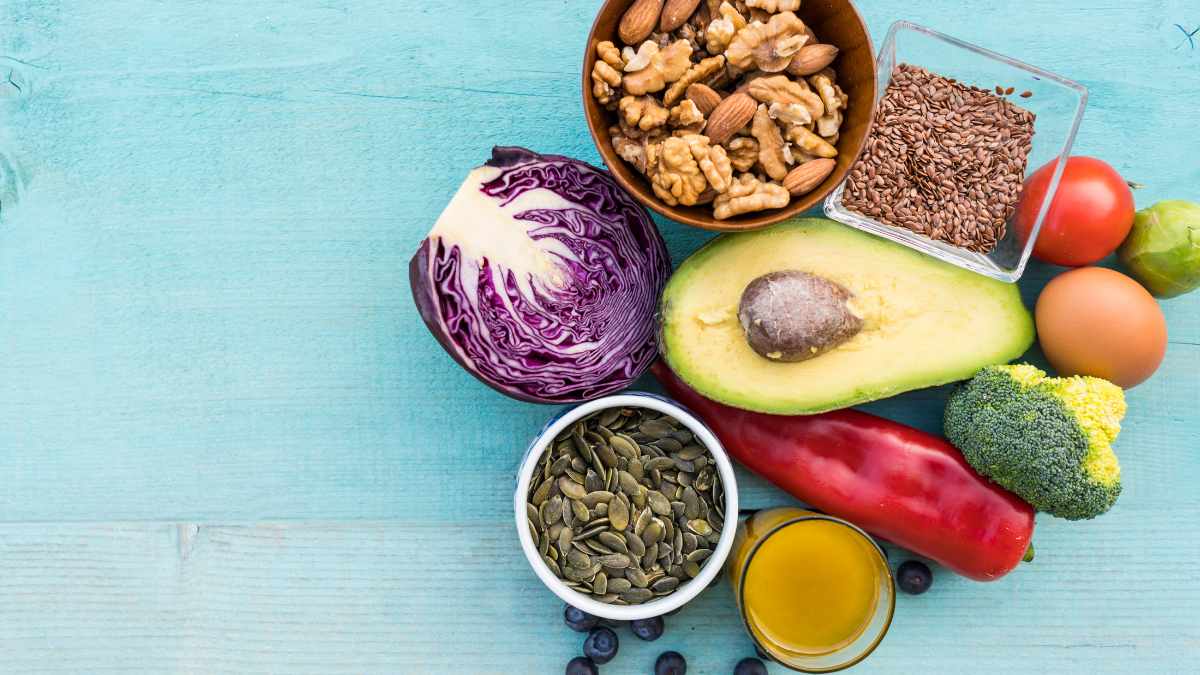
The ketogenic diet is not merely a low-carb diet; it emphasizes the quality of fats consumed. Healthy fats, such as those from avocados, nuts, seeds, and olive oil, are encouraged, while unhealthy fats, like trans fats and excessive saturated fats, should be limited. Additionally, the diet promotes the consumption of whole, unprocessed foods, which are nutrient-dense and beneficial for overall health. Understanding these principles is crucial for anyone looking to adopt a ketogenic lifestyle.
Finally, it is important to recognize that individual responses to the ketogenic diet can vary. Factors such as age, gender, activity level, and metabolic health can influence how one’s body reacts to dietary changes. Therefore, it is advisable to consult with a healthcare professional or a registered dietitian before making significant dietary adjustments.
High-Carbohydrate Foods: The Main Keto Offenders
One of the most significant challenges of adhering to a ketogenic diet is avoiding high-carbohydrate foods. Foods that are rich in carbohydrates can quickly derail your efforts to achieve and maintain ketosis. Common culprits include bread, pasta, rice, and cereal, all of which are staples in many diets but are strictly off-limits on keto. These foods not only contain high levels of carbohydrates but also can lead to spikes in blood sugar levels, which is counterproductive to the goals of the ketogenic diet.
In addition to grains, many fruits are also high in sugars and should be avoided or consumed in very limited quantities. While fruits are generally considered healthy, many of them contain significant amounts of fructose, which can hinder the body’s ability to enter ketosis. Berries, such as strawberries and raspberries, are exceptions and can be consumed in moderation due to their lower carbohydrate content.
Another category of high-carb foods includes legumes, such as beans and lentils. While they are often praised for their high protein and fiber content, legumes are also rich in carbohydrates, making them unsuitable for a ketogenic diet. It is essential to read labels and be mindful of hidden carbohydrates in processed foods that may contain these ingredients.
Lastly, starchy foods such as potatoes, corn, and peas should also be avoided. These foods can contribute to significant carbohydrate intake, thereby preventing the body from achieving ketosis. By eliminating these high-carbohydrate foods from your diet, you can better align your eating habits with the principles of the ketogenic diet.
Sugars and Sweeteners: What to Avoid on Keto
Sugars are perhaps the most obvious offenders when it comes to a ketogenic diet. They can be found in a wide array of foods, from desserts to sauces, and even in seemingly healthy options like yogurt and granola. Regular table sugar, honey, and agave syrup are all high in carbohydrates and should be completely avoided. Consuming these sugars can lead to insulin spikes, which can disrupt ketosis and promote fat storage.
In addition to natural sugars, it is crucial to be wary of added sugars in processed foods. Many products, including salad dressings, marinades, and condiments, contain hidden sugars that can quickly accumulate and exceed your daily carbohydrate allowance. Always read ingredient labels carefully to identify any added sugars, which can be disguised under various names, such as sucrose, glucose, or fructose.
When it comes to sweeteners, not all are created equal. While some sugar substitutes are low in carbohydrates and can be used in moderation, others can still impact blood sugar levels and should be avoided. For instance, maltitol, a common sugar alcohol, can have a significant glycemic index and should be limited or excluded from a ketogenic diet. Instead, opt for keto-friendly sweeteners like stevia, erythritol, or monk fruit, which have little to no impact on blood sugar levels.
Lastly, it is essential to be cautious with products labeled as "sugar-free." These items often contain sugar alcohols or artificial sweeteners that can still affect ketosis. Always check the nutritional information and ingredient list to ensure that the sweeteners used align with the principles of a ketogenic diet.
Starchy Vegetables: Hidden Carbs in Your Diet
While vegetables are an essential component of a healthy diet, not all are suitable for a ketogenic lifestyle. Starchy vegetables, such as potatoes, sweet potatoes, corn, and peas, are high in carbohydrates and should be avoided. These vegetables can significantly increase your carbohydrate intake, making it challenging to maintain ketosis.
In addition to the obvious starchy vegetables, some seemingly healthy options can also be problematic. For example, carrots and beets, while nutritious, contain higher levels of sugars compared to non-starchy vegetables. It is important to be mindful of portion sizes and choose lower-carb alternatives, such as leafy greens, broccoli, cauliflower, and zucchini, which are not only low in carbohydrates but also packed with essential vitamins and minerals.
Another consideration is the preparation method of vegetables. While roasting or sautéing vegetables can enhance their flavor, adding high-carb ingredients like breadcrumbs or sauces can increase their carbohydrate content. Stick to healthy cooking methods, such as steaming or grilling, and use olive oil or butter for added flavor without compromising your carb count.
In summary, while vegetables are an important part of a balanced diet, it is crucial to choose wisely on a ketogenic diet. By avoiding starchy vegetables and opting for low-carb alternatives, you can ensure that your vegetable intake supports your ketogenic goals without hindering your progress.
Processed Foods: Risks and Restrictions on Keto
Processed foods pose a significant challenge for those adhering to a ketogenic diet. These foods often contain hidden sugars, unhealthy fats, and high levels of sodium, which can disrupt ketosis and negatively impact overall health. Many processed products, such as snack bars, frozen meals, and packaged sauces, are designed to be convenient but can be detrimental to your dietary goals.
One of the main issues with processed foods is their ingredient lists, which often include various additives and preservatives. These ingredients can not only add unnecessary carbohydrates but may also have adverse effects on health. For example, certain emulsifiers and artificial flavors can disrupt gut health and lead to inflammation, counteracting the benefits of a ketogenic diet.
Additionally, many processed foods are marketed as "low-fat" or "healthy," but in reality, they may contain high levels of carbohydrates to compensate for the reduced fat content. This can create a false sense of security for those trying to adhere to a ketogenic lifestyle. It is essential to prioritize whole, unprocessed foods that are naturally low in carbohydrates and high in healthy fats.
Lastly, the convenience of processed foods can lead to overeating and poor food choices. When individuals rely on these quick options, they may inadvertently consume more carbohydrates than intended. To stay on track with a ketogenic diet, it is advisable to prepare meals at home using fresh ingredients, ensuring that you have full control over your macronutrient intake.
Alcohol Consumption: Navigating Choices on a Keto Diet
Alcohol can be a tricky subject for those following a ketogenic diet. Many alcoholic beverages, particularly sweet wines, cocktails, and beers, are high in carbohydrates and can quickly push you out of ketosis. Understanding the carbohydrate content of various alcoholic drinks is essential for making informed choices while still enjoying social occasions.
When it comes to spirits, options like vodka, gin, tequila, and whiskey are generally lower in carbohydrates and can be consumed in moderation on a ketogenic diet. However, it is crucial to avoid mixers that contain sugars or high-carb ingredients, such as soda or fruit juices. Instead, opt for sugar-free mixers, such as soda water or diet tonic, to keep your carb intake in check.
Wine can also be a viable option, but it is essential to choose dry varieties, as sweet wines can have significantly higher carbohydrate content. A glass of dry red or white wine typically contains around 3-4 grams of carbohydrates, making it a more suitable choice for those on a ketogenic diet. Always check the labels and be mindful of portion sizes to avoid exceeding your daily carbohydrate allowance.
Lastly, it is important to remember that alcohol can affect ketosis in other ways. Drinking can lead to increased appetite and cravings, making it more challenging to stick to your dietary goals. Additionally, alcohol metabolism can temporarily halt fat oxidation, which may slow down weight loss progress. Moderation is key, and being mindful of your choices can help you enjoy social situations without compromising your ketogenic lifestyle.
Conclusions:
Adhering to a ketogenic diet requires a thorough understanding of what foods and substances to avoid. By steering clear of high-carbohydrate foods, sugars, starchy vegetables, processed foods, and certain alcoholic beverages, individuals can better maintain ketosis and achieve their health and wellness goals. It is essential to prioritize whole, unprocessed foods and make informed choices to ensure the success of your ketogenic journey.
Read more:
- Keto Diet Basics – A comprehensive guide to understanding the ketogenic diet and its principles.
- Foods to Avoid on Keto – A detailed list of foods that should be avoided on a ketogenic diet.
- The Role of Alcohol in a Keto Diet – An informative article discussing alcohol choices and their impact on ketosis.
- Understanding Carbohydrates – A scientific overview of carbohydrates and their effects on health.
- The Science of Ketosis – An in-depth look at the metabolic state of ketosis and its benefits.