
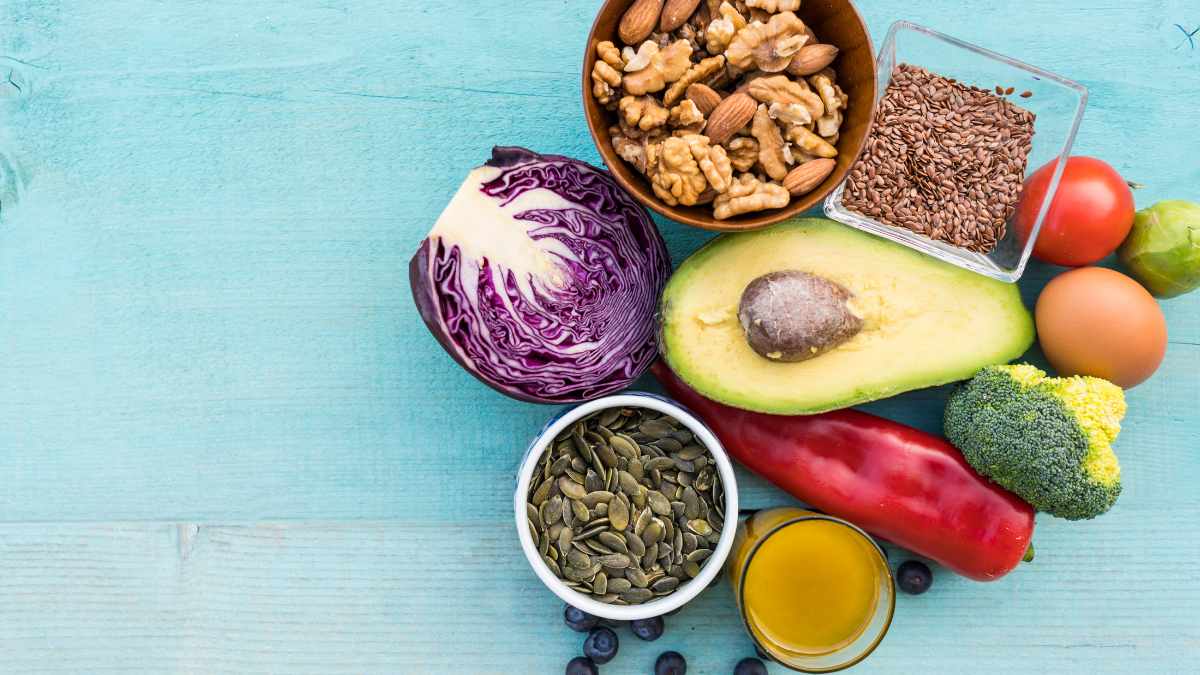

Introduction:
The ketogenic diet, characterized by a high-fat, moderate-protein, and low-carbohydrate intake, has gained significant popularity for its potential benefits in weight loss and metabolic health. Nuts are often considered a staple in this dietary approach due to their healthy fat content and nutritional benefits. However, not all nuts are created equal when it comes to carbohydrate content. This article explores which nuts are suitable for those adhering to a ketogenic lifestyle, delving into their nutritional profiles, health benefits, and appropriate serving sizes.
Understanding the Role of Nuts in a Keto Diet
Nuts are a great source of healthy fats, making them an ideal snack for individuals following a ketogenic diet. They provide essential nutrients, including vitamins, minerals, and antioxidants, while being relatively low in carbohydrates. The inclusion of nuts can help maintain ketosis, a metabolic state where the body burns fat for fuel instead of carbohydrates.
In addition to their macronutrient profile, nuts also offer a range of health benefits. They are known to support heart health, improve cholesterol levels, and provide anti-inflammatory properties. These benefits are particularly important for individuals on a keto diet, as they may be at risk for elevated cholesterol levels due to high fat consumption.
However, it is crucial to choose the right types of nuts. Some nuts are higher in carbohydrates than others, which can hinder the ability to maintain ketosis. Understanding the carbohydrate content of various nuts is essential for making informed dietary choices while on a keto diet.
Lastly, the versatility of nuts makes them an excellent addition to a variety of meals and snacks. They can be consumed raw, roasted, or incorporated into dishes, providing both flavor and texture. This adaptability contributes to a more enjoyable and sustainable ketogenic lifestyle.
Nutritional Profile of Commonly Consumed Nuts
When evaluating nuts for a ketogenic diet, it is essential to consider their nutritional profiles. Commonly consumed nuts include almonds, walnuts, pecans, macadamia nuts, and Brazil nuts. Each type of nut has its unique combination of fats, proteins, and carbohydrates, which can significantly impact their suitability for a keto diet.
Almonds, for example, are rich in vitamin E and magnesium, but they also contain about 6 grams of carbohydrates per ounce. In contrast, macadamia nuts are lower in carbs, with only about 4 grams per ounce, and are high in monounsaturated fats, making them an excellent choice for keto enthusiasts.
Pecans are another popular option, offering about 4 grams of carbohydrates per ounce, along with a good amount of fiber. They are also rich in antioxidants, which can help combat oxidative stress in the body. On the other hand, walnuts contain approximately 4 grams of carbohydrates per ounce but are higher in omega-3 fatty acids, providing additional health benefits.
Brazil nuts, while slightly higher in carbohydrates at around 7 grams per ounce, are an excellent source of selenium, a mineral crucial for thyroid function and immune health. Understanding the nutritional profiles of these common nuts can help individuals make informed choices that align with their dietary goals.
Low-Carb Nuts: Top Choices for Keto Enthusiasts
For those following a ketogenic diet, selecting low-carb nuts is vital for maintaining ketosis. Among the best options are macadamia nuts, pecans, and Brazil nuts, all of which offer low carbohydrate content while being rich in healthy fats.
Macadamia nuts stand out as one of the lowest-carb nuts available, with only about 4 grams of carbohydrates per ounce. They are also high in monounsaturated fats, which can help improve heart health and reduce inflammation. Their rich, buttery flavor makes them a delightful addition to various dishes or a satisfying snack on their own.
Pecans are another excellent choice, providing approximately 4 grams of carbohydrates per ounce. They are not only low in carbs but also high in fiber, which can aid digestion and promote satiety. Pecans can be enjoyed raw, roasted, or added to salads and desserts for an extra crunch.
Walnuts, while slightly higher in carbohydrates at around 4 grams per ounce, are packed with omega-3 fatty acids and antioxidants. They can be a great addition to smoothies, oatmeal, or eaten as a snack. Lastly, Brazil nuts, despite their higher carb content, are nutrient-dense and offer significant health benefits, making them a worthy inclusion in moderation.
Evaluating the Fiber and Fat Content of Nuts
Fiber and fat content are crucial factors to consider when selecting nuts for a ketogenic diet. Fiber is an essential component of a healthy diet, aiding in digestion and promoting feelings of fullness. Nuts are generally high in fiber, which can help offset their carbohydrate content.
For instance, almonds contain about 3.5 grams of fiber per ounce, which effectively reduces their net carb count. Similarly, pecans provide around 3 grams of fiber per ounce, making them a favorable choice for those looking to minimize carbohydrate intake while maximizing fiber consumption.
The fat content of nuts is another important consideration. Most nuts are high in healthy fats, particularly monounsaturated and polyunsaturated fats, which can support heart health and provide sustained energy. Macadamia nuts, for example, contain about 21 grams of fat per ounce, primarily in the form of monounsaturated fat, making them an excellent source of energy on a keto diet.
In contrast, while walnuts are lower in total fat compared to macadamia nuts, they are particularly rich in omega-3 fatty acids, which have been linked to various health benefits, including reduced inflammation and improved brain health. Evaluating both fiber and fat content can help individuals choose the right nuts to support their ketogenic lifestyle.
Portion Control: Serving Sizes for Keto-Friendly Nuts
While nuts can be a healthy addition to a ketogenic diet, portion control is essential. Nuts are calorie-dense, and consuming them in large quantities can lead to excess calorie intake, which may hinder weight loss goals. Understanding appropriate serving sizes can help individuals enjoy the benefits of nuts without overindulging.
A standard serving size for most nuts is typically around one ounce, which is approximately a small handful. This serving size generally contains between 160 to 200 calories, depending on the type of nut. For example, one ounce of almonds contains about 164 calories, while macadamia nuts contain around 204 calories.
To effectively manage portion sizes, it can be helpful to pre-portion nuts into small containers or bags. This practice not only aids in portion control but also makes it easier to grab a healthy snack on the go. Additionally, being mindful of the overall daily intake of carbohydrates and calories can help individuals stay on track with their ketogenic goals.
It’s also worth noting that combining nuts with other low-carb foods, such as cheese or vegetables, can create a more balanced snack while enhancing satiety. By being mindful of portion sizes and combinations, individuals can enjoy the nutritional benefits of nuts without compromising their ketogenic diet.
Potential Health Benefits of Nuts on a Keto Diet
Incorporating nuts into a ketogenic diet can offer numerous health benefits. One of the most significant advantages is their ability to support heart health. Nuts are rich in healthy fats, particularly monounsaturated fats, which have been shown to lower bad cholesterol levels and reduce the risk of heart disease.
Moreover, nuts are packed with antioxidants, which help combat oxidative stress and inflammation in the body. This is particularly important for individuals on a ketogenic diet, as high-fat diets can sometimes lead to increased inflammation. The antioxidants found in nuts, such as vitamin E and selenium, can play a crucial role in maintaining overall health.
Additionally, the fiber content in nuts can aid in digestion and promote feelings of fullness, which can be beneficial for weight management. By enhancing satiety, nuts can help individuals adhere to their dietary goals without feeling deprived. This can be particularly advantageous for those transitioning to a ketogenic lifestyle, as it can reduce cravings for higher-carb foods.
Lastly, nuts are a convenient and versatile snack option. They can be easily incorporated into various meals, from salads to smoothies, providing both flavor and texture. This versatility can make it easier for individuals to maintain a balanced and enjoyable ketogenic diet.
Conclusions:
In conclusion, nuts can be a valuable addition to a ketogenic diet, providing essential nutrients, healthy fats, and numerous health benefits. However, it is crucial to choose low-carb options and practice portion control to maintain ketosis. By understanding the nutritional profiles of different nuts and their role in a keto diet, individuals can make informed choices that align with their health goals.
Read more:
- Keto Diet Basics – A comprehensive overview of the ketogenic diet, including its principles and benefits.
- Nuts and Heart Health – A study discussing the impact of nut consumption on cardiovascular health.
- The Low-Carb Diet – A resource for understanding low-carb diets and their effects on health.
- Nutritional Information for Nuts – The USDA FoodData Central, providing detailed nutritional information for various foods, including nuts.
- Fiber and Health – An article exploring the health benefits of dietary fiber, including its role in weight management and digestion.