

Introduction:
The ketogenic diet, commonly known as the keto diet, has gained significant popularity in recent years due to its potential benefits for weight loss and overall health. This low-carbohydrate, high-fat dietary approach emphasizes the reduction of carbohydrate intake to induce a state of ketosis, where the body burns fat for fuel instead of glucose. As individuals embark on their keto journey, they often seek ways to enhance the flavor of their meals without compromising their dietary principles. One area that can be particularly challenging is the selection of sauces, which can often be laden with sugars and carbohydrates. This article explores the various sauces that align with keto principles, providing insights into their nutritional content and offering homemade alternatives.
Understanding the Keto Diet and Its Nutritional Principles
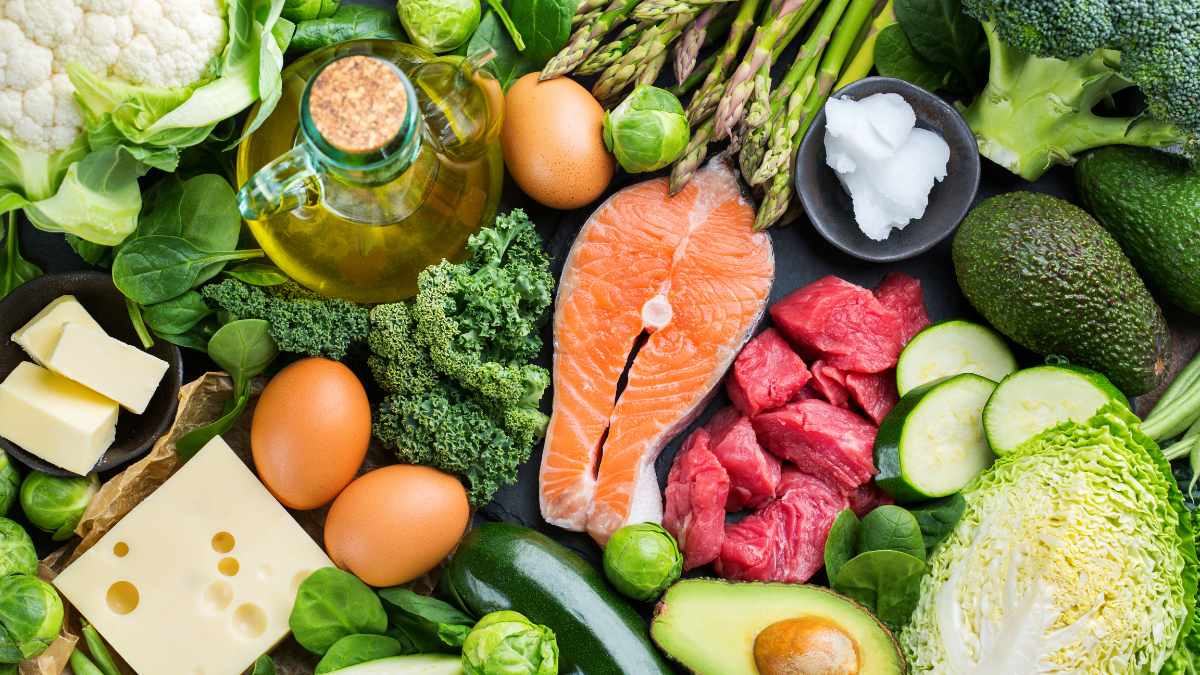
The ketogenic diet is fundamentally based on a high-fat, moderate-protein, and very low-carbohydrate intake. Typically, the macronutrient distribution in a standard keto diet consists of approximately 70-75% fat, 20-25% protein, and only 5-10% carbohydrates. This drastic reduction in carbohydrates forces the body to enter a metabolic state known as ketosis, where it becomes highly efficient at burning fat for energy.
In addition to weight loss, the keto diet has been associated with several health benefits, including improved blood sugar control, enhanced mental clarity, and reduced inflammation. However, achieving and maintaining ketosis requires careful attention to food choices, particularly when it comes to sauces and condiments, which can easily contain hidden sugars and carbs.
Understanding the nutritional principles of the keto diet is crucial for making informed choices. It is essential to read labels and be aware of the carbohydrate content in sauces, as many commercially available options can sabotage a well-planned keto meal. By focusing on low-carb alternatives, individuals can enjoy flavorful dishes without straying from their dietary goals.
Ultimately, the key to success on the keto diet lies in mindful eating and the strategic selection of ingredients. Sauces can enhance the palatability of meals, but they must be chosen wisely to ensure they align with the overarching goal of maintaining a low-carb lifestyle.
The Role of Sauces in a Low-Carbohydrate Diet
Sauces play a significant role in enhancing the flavor and appeal of meals, making them an essential component of any diet, including a low-carbohydrate one. On a keto diet, where food choices can sometimes feel limited, sauces provide an opportunity to add variety and excitement to otherwise simple dishes. They can transform a basic grilled chicken breast into a gourmet experience, offering depth and complexity that can make adherence to the diet more enjoyable.
However, not all sauces are created equal. Many traditional sauces, such as barbecue sauce, ketchup, and certain salad dressings, are often packed with sugars and high-carb ingredients that can quickly derail a keto diet. Therefore, understanding the role of sauces in a low-carb diet involves discerning which options are suitable and which should be avoided.
The key to incorporating sauces into a keto meal plan is to focus on those that are naturally low in carbohydrates or can be easily modified to fit the dietary requirements. This often means opting for sauces that are based on fats, such as mayonnaise, or those that utilize herbs and spices for flavor without the addition of sugars.
In summary, sauces can be a valuable tool for enhancing the enjoyment of meals while adhering to a low-carbohydrate diet. By choosing wisely and being creative with homemade alternatives, individuals can maintain a satisfying and flavorful eating experience without compromising their keto goals.
Low-Carb Sauce Options: An Overview for Keto Adherents
When it comes to selecting sauces for a keto diet, there are several low-carb options that can be safely enjoyed. These sauces typically contain minimal sugars and carbohydrates, making them ideal for those looking to maintain ketosis. Some of the most popular low-carb sauces include mustard, hot sauce, and soy sauce.
Mustard, for example, is a versatile condiment that can add a zesty kick to meats and salads. Most varieties contain very few carbohydrates, making them a safe choice for keto enthusiasts. Hot sauce, with its bold flavors, can also be used liberally without significant carb concerns, provided it does not contain added sugars.
Soy sauce, particularly the low-sodium variety, can be an excellent addition to stir-fries and marinades. It is low in carbs and can enhance the umami flavor of dishes. Additionally, vinegar-based sauces, such as vinaigrettes, can be tailored to be keto-friendly by using healthy oils and avoiding sweeteners.
Other options include creamy sauces made from heavy cream or cheese, which can be used in pasta alternatives or as a base for casseroles. By selecting these low-carb sauces, keto adherents can enjoy a diverse range of flavors while staying within their dietary parameters.
Analyzing Common Sauces: Carbohydrate Content Breakdown
Understanding the carbohydrate content of common sauces is essential for anyone following a keto diet. Many popular sauces can contain surprisingly high amounts of sugar and carbs, which can quickly add up and impact ketosis. For instance, traditional ketchup typically contains about 4 grams of carbohydrates per tablespoon, primarily from added sugars. This makes it a poor choice for those on a strict keto plan.
Similarly, barbecue sauce is often loaded with sugar, with some brands containing as much as 6-8 grams of carbohydrates per tablespoon. This can make it a significant hurdle for individuals trying to limit their carb intake. Salad dressings can also be deceptive; many creamy dressings are high in sugars, while vinaigrettes can vary widely in carbohydrate content depending on the ingredients used.
On the other hand, sauces like pesto and alfredo can be made keto-friendly by using low-carb ingredients. Pesto, made from basil, garlic, pine nuts, and olive oil, is naturally low in carbohydrates and can be used as a flavorful topping for meats and vegetables. Alfredo sauce, typically made from heavy cream and cheese, can also be a delicious addition to zucchini noodles or cauliflower rice.
By analyzing the carbohydrate content of sauces, individuals can make informed choices that align with their keto dietary goals. It is crucial to read labels and opt for brands that prioritize low-carb ingredients, or better yet, create homemade versions to ensure complete control over what goes into the sauce.
Homemade Sauces: Recipes for Keto-Friendly Alternatives
Creating homemade sauces is an excellent way to ensure that they align with keto principles while also allowing for customization in flavor and ingredients. One popular keto-friendly sauce is garlic butter sauce, which can be made by melting butter and infusing it with minced garlic and herbs. This sauce is perfect for drizzling over vegetables or grilled meats, adding richness without the carbs.
Another simple recipe is for keto ranch dressing. Combine sour cream, mayonnaise, garlic powder, onion powder, dried dill, and a splash of lemon juice. This creamy dressing is perfect for salads or as a dip for vegetables and is entirely free of added sugars.
For those who enjoy a bit of heat, a spicy mayo can be easily made by mixing mayonnaise with sriracha or hot sauce. This sauce can elevate sandwiches, burgers, or even sushi alternatives while maintaining a low-carb profile.
Lastly, a homemade barbecue sauce can be crafted using tomato paste, apple cider vinegar, mustard, and spices, allowing individuals to control the sweetness by using keto-friendly sweeteners like erythritol or stevia. By making sauces at home, keto dieters can enjoy a wide variety of flavors without the hidden carbs commonly found in store-bought options.
Tips for Incorporating Sauces into Your Keto Meal Plan
Incorporating sauces into a keto meal plan requires a strategic approach to ensure that they enhance meals without exceeding carbohydrate limits. One effective strategy is to plan meals around sauces. For instance, if a particular sauce is desired, consider what proteins or vegetables can be paired with it to create a balanced meal that stays within keto guidelines.
Another tip is to experiment with flavors. Trying different herbs, spices, and low-carb ingredients can lead to the creation of unique sauces that keep meals exciting. For example, adding fresh herbs to mayonnaise can create a flavorful dip that complements a variety of dishes.
Portion control is also essential when using sauces. Even low-carb sauces can contribute to overall carbohydrate intake if used excessively. Measuring out servings can help maintain awareness of how much is being consumed and prevent unintentional overindulgence.
Lastly, keeping a well-stocked pantry of keto-friendly sauces and ingredients can make meal preparation easier and more enjoyable. Having a selection of homemade sauces readily available can reduce the temptation to reach for high-carb options when hunger strikes. By following these tips, individuals can successfully incorporate sauces into their keto meal plans without compromising their dietary goals.
Conclusions:
Navigating the world of sauces while adhering to a keto diet can be challenging, but with the right knowledge and strategies, it is entirely possible to enjoy flavorful meals without exceeding carbohydrate limits. By understanding the nutritional principles of the keto diet, identifying low-carb sauce options, and creating homemade alternatives, individuals can enhance their culinary experience while staying true to their dietary goals. With careful planning and creativity, sauces can become a delightful addition to any keto meal.
Read more:
- Keto Diet Basics – A comprehensive guide to understanding the ketogenic diet and its principles.
- Low-Carb Sauces – An overview of keto-friendly sauces and their nutritional content.
- Homemade Keto Sauces – A collection of easy recipes for making sauces at home that are perfect for the keto diet.
- Analyzing Sauce Carbohydrates – A breakdown of common sauces and their carbohydrate content.
- Incorporating Sauces into Keto Meals – Tips and tricks for using sauces effectively in a keto meal plan.