

Introduction:
The ketogenic diet, often referred to as keto, has gained immense popularity for its potential to promote weight loss and improve metabolic health. However, embarking on this dietary journey requires careful consideration and planning. While the principles of keto are relatively straightforward—high fat, moderate protein, and very low carbohydrates—there are several pitfalls that newcomers often encounter. Understanding what to avoid can significantly enhance the likelihood of success and help individuals reap the full benefits of this low-carb lifestyle.
1. Understanding the Ketogenic Diet: Key Principles to Follow
At its core, the ketogenic diet is designed to shift the body’s primary energy source from carbohydrates to fats. This metabolic state, known as ketosis, occurs when carbohydrate intake is drastically reduced, prompting the liver to convert fat into ketones for energy. A proper understanding of this process is crucial for anyone considering the diet. It’s not merely about cutting carbs; it’s about fundamentally changing how your body processes energy.
To achieve and maintain ketosis, one must adhere to specific macronutrient ratios. Typically, the diet consists of approximately 70-75% fats, 20-25% protein, and only 5-10% carbohydrates. These ratios are essential for ensuring that the body enters and remains in ketosis. Ignoring these guidelines can lead to insufficient fat intake, which may hinder the body’s ability to produce ketones.
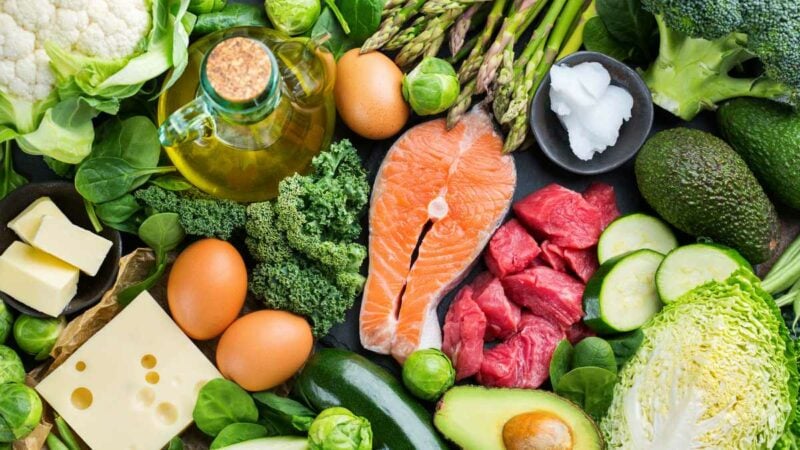
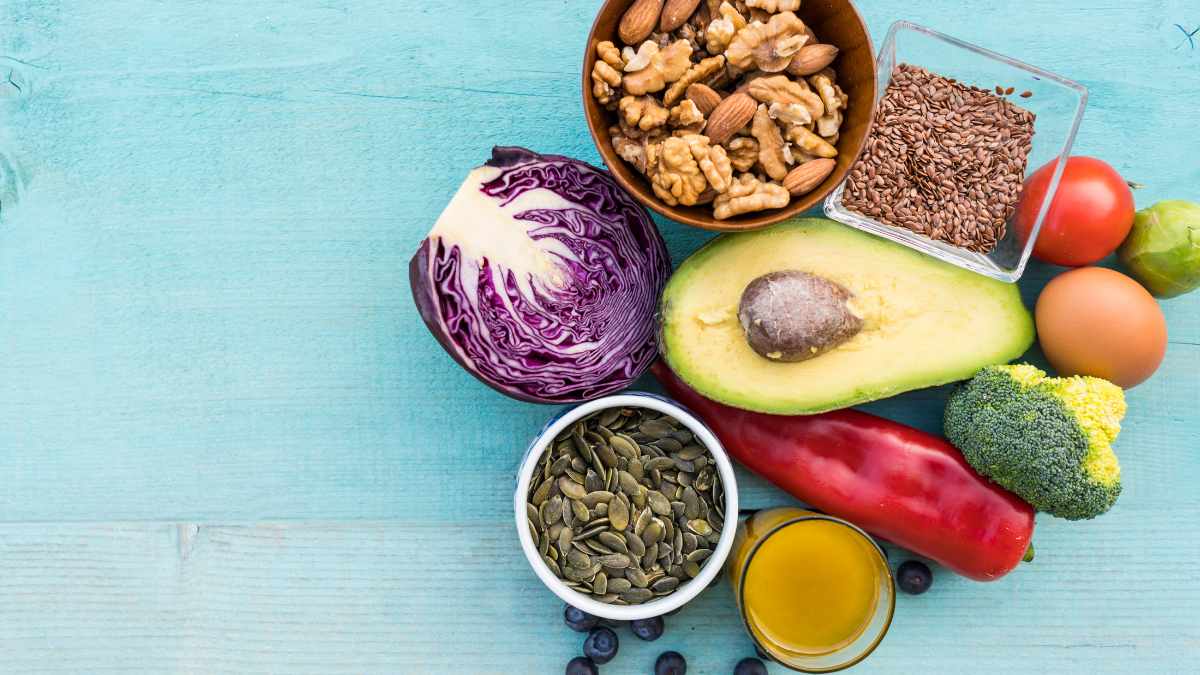
Moreover, it’s important to recognize that not all fats are created equal. Focusing on healthy fats, such as avocados, nuts, seeds, and olive oil, is vital for overall health. Conversely, consuming unhealthy trans fats or excessive saturated fats can lead to adverse health effects, negating the benefits of the diet. Understanding these nuances is fundamental to achieving success on a ketogenic diet.
Lastly, it is essential to remember that individual responses to the ketogenic diet can vary. Factors such as age, gender, activity level, and metabolic health can all influence how one’s body adapts to ketosis. Listening to your body and adjusting your approach accordingly is key to long-term sustainability.
2. Common Mistakes: Ignoring Macronutrient Ratios
One of the most significant missteps when starting a ketogenic diet is neglecting the specific macronutrient ratios that define it. Many newcomers may believe that simply reducing carbohydrates is sufficient to enter ketosis. However, this oversimplification can lead to disappointment and frustration when expected results do not materialize.
For instance, a common error is consuming too much protein. While protein is an essential macronutrient, excessive intake can lead to gluconeogenesis, a process where the body converts protein into glucose. This can prevent the body from entering ketosis, undermining the very purpose of the diet. It’s crucial to find the right balance and ensure that fat intake remains the primary focus.
Another mistake is not tracking food intake accurately. Many individuals underestimate their carbohydrate consumption, often due to hidden carbs in sauces, dressings, or even vegetables. Using a food diary or an app can help maintain awareness of macronutrient ratios, ensuring adherence to the ketogenic guidelines.
Finally, it’s important to recognize that the transition to ketosis can take time. Patience is key, as some individuals may experience the “keto flu,” a temporary set of symptoms that can occur as the body adjusts to burning fat for fuel. Understanding that this is a normal part of the process can help individuals stay committed to their dietary changes.
3. The Dangers of Inadequate Hydration on Keto
Hydration is often overlooked when starting a ketogenic diet, yet it plays a crucial role in overall health and wellness. When carbohydrate intake is reduced, the body tends to excrete more water and electrolytes, leading to an increased risk of dehydration. This can result in symptoms such as fatigue, headaches, and dizziness, which are often misattributed to the diet itself.
Electrolyte balance is particularly important on a ketogenic diet. Sodium, potassium, and magnesium are essential for numerous bodily functions, including muscle contractions and nerve signaling. Inadequate intake of these electrolytes can lead to imbalances, exacerbating the symptoms associated with dehydration. It’s vital to incorporate foods rich in these minerals or consider supplementation if necessary.
To combat dehydration, individuals should prioritize drinking plenty of water throughout the day. A good rule of thumb is to aim for at least half your body weight in ounces of water daily. Additionally, incorporating broth or electrolyte-rich beverages can help replenish lost minerals and maintain hydration levels.
Lastly, it’s essential to listen to your body’s signals. Thirst is a clear indicator that hydration is needed, and ignoring these cues can lead to more severe health issues. By prioritizing hydration and electrolyte balance, individuals can enhance their overall experience on the ketogenic diet.
4. Avoiding Processed Foods: Quality Over Convenience
While the ketogenic diet allows for a wide variety of foods, it’s crucial to focus on quality over convenience. Processed foods, even those labeled as “keto-friendly,” often contain unhealthy additives, preservatives, and hidden sugars that can derail progress. Choosing whole, unprocessed foods is essential for optimal health and achieving dietary goals.
Many processed foods may also contain unhealthy fats, such as trans fats, which can have detrimental effects on heart health. Opting for natural sources of fat, like avocados, nuts, and olive oil, is a far better choice. These foods not only provide healthy fats but also offer essential nutrients that support overall well-being.
Furthermore, relying on processed foods can lead to a lack of variety in the diet. A diverse range of foods is essential for obtaining a wide array of vitamins and minerals, which are crucial for maintaining health. Incorporating fresh vegetables, quality meats, and healthy fats ensures that the body receives the nutrients it needs to thrive.
Lastly, cooking at home allows for greater control over ingredients and portion sizes. Meal prepping and planning can help individuals avoid the temptation of convenience foods, making it easier to stick to the ketogenic principles. By prioritizing quality ingredients, individuals can enhance their keto journey and improve their overall health.
5. Misjudging Fiber Intake: Importance of Vegetables
Fiber is a crucial component of any diet, including ketogenic eating. Many newcomers to keto may underestimate the importance of fiber, often focusing solely on macronutrient ratios. However, fiber plays a vital role in digestive health and can aid in maintaining satiety, making it an essential part of a balanced ketogenic diet.
Low-carb vegetables, such as leafy greens, broccoli, and cauliflower, are excellent sources of fiber that can be easily incorporated into meals. These vegetables not only provide essential nutrients but also help support digestive health by promoting regular bowel movements. Ignoring fiber intake can lead to constipation and other digestive issues, which are common complaints among those new to keto.
Additionally, fiber can help regulate blood sugar levels, which is particularly important when transitioning to a low-carb diet. By slowing the absorption of carbohydrates, fiber can prevent spikes in blood sugar and insulin levels, contributing to better overall metabolic health. Including a variety of fiber-rich vegetables in the diet can help mitigate some of the negative effects associated with carbohydrate withdrawal.
Finally, it’s essential to balance fiber intake with adequate hydration. Fiber absorbs water, and without sufficient fluid intake, it can lead to digestive discomfort. By prioritizing both fiber and hydration, individuals can support their digestive health and enhance their overall experience on the ketogenic diet.
6. Skipping Meal Prep: Planning for Keto Success
Meal prep is a critical component of success on a ketogenic diet. Many individuals underestimate the importance of planning and preparing meals in advance, often leading to poor food choices and adherence to the diet. Taking the time to plan meals can significantly enhance the likelihood of sticking to the ketogenic principles.
By preparing meals ahead of time, individuals can ensure they have keto-friendly options readily available, reducing the temptation to resort to processed or high-carb foods. This proactive approach not only saves time during busy weekdays but also promotes healthier eating habits. Having meals prepped can help individuals stay on track and avoid the pitfalls of convenience foods.
Additionally, meal prepping allows for better portion control. By measuring out ingredients and planning meals, individuals can more accurately adhere to macronutrient ratios, ensuring they remain within their desired limits. This level of control is essential for achieving and maintaining ketosis.
Finally, meal prep can also foster creativity in the kitchen. Experimenting with new recipes and ingredients can make the ketogenic diet more enjoyable, preventing boredom and promoting long-term adherence. By prioritizing meal preparation, individuals can set themselves up for success on their keto journey.
Conclusions:
Starting a ketogenic diet can be a transformative experience, but it requires careful consideration and planning to avoid common pitfalls. By understanding the key principles of the diet, paying attention to macronutrient ratios, staying hydrated, avoiding processed foods, ensuring adequate fiber intake, and prioritizing meal prep, individuals can enhance their chances of success. With the right approach, the ketogenic diet can lead to significant improvements in health and well-being.
Read more:
- Keto Diet Basics – A comprehensive guide to understanding the ketogenic diet and its principles.
- The Importance of Hydration – An article discussing the significance of hydration for overall health and its role in dietary practices.
- Healthy Fats vs. Unhealthy Fats – A resource explaining the different types of dietary fats and their health implications.
- Fiber and Digestive Health – An informative piece on the role of fiber in digestive health and overall wellness.
- Meal Prep Strategies – A practical guide to meal prepping for success, including tips and strategies for planning meals effectively.